
Diverse senses
Accurate at time of publication: 21 May 2026
Biodiversity is the variety of all living things on Earth. In the ever-moving adaptation of these living things to their environment, evolution by natural selection has led to truly awe-inspiring and strange traits across the animal kingdom - and senses are no exception. This International day for biological diversity - 22 May, explore the some of the mind-boggling ways animals sense the world around them.
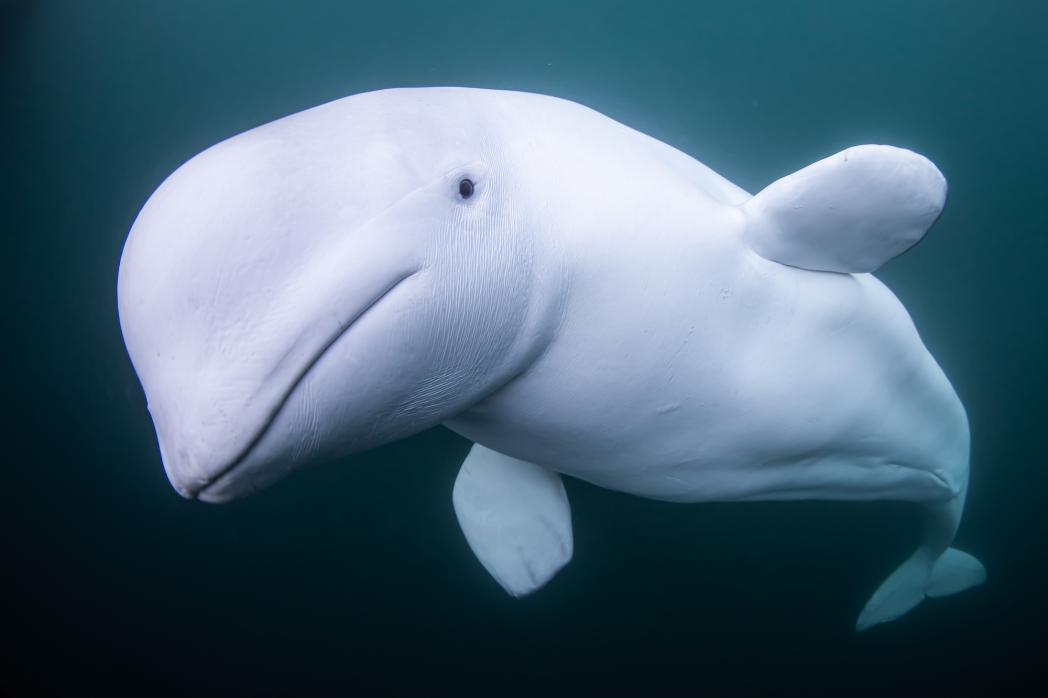
The melon
Beluga whales, like all toothed whales, also have a bulbous fatty organ in their forehead, called a melon. The melon is capable of changing shape and is thought to be important for belugas’ ability to send and interpret sound underwater.
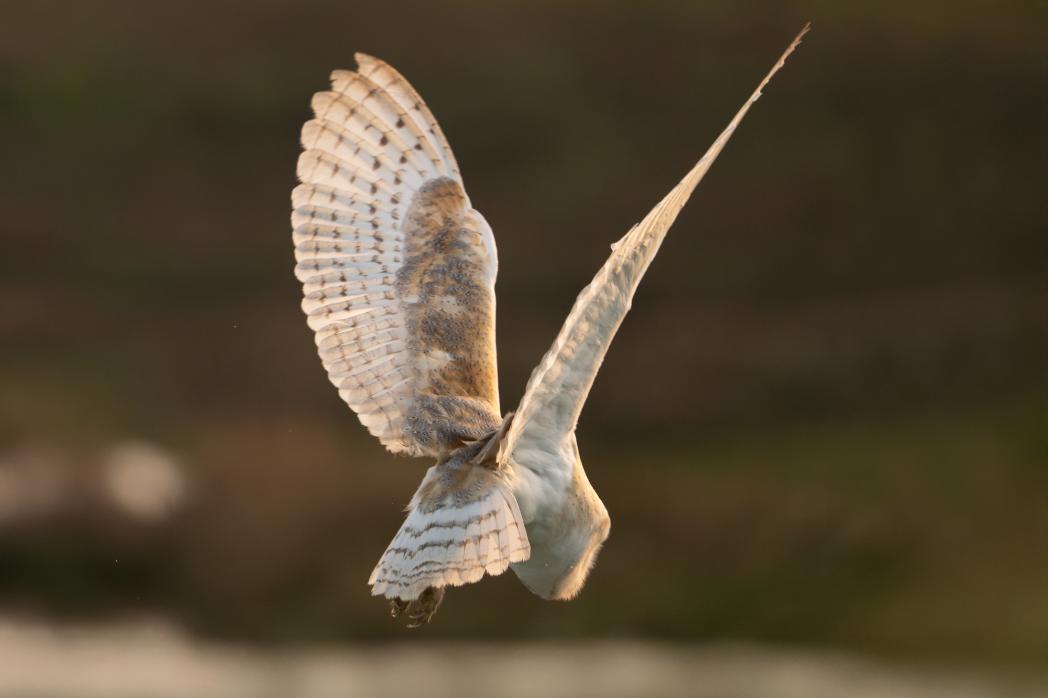
Asymmetrical perfection
Barn owls’ outer ears are asymmetrical, allowing them pinpoint accuracy in locating prey by sound alone.
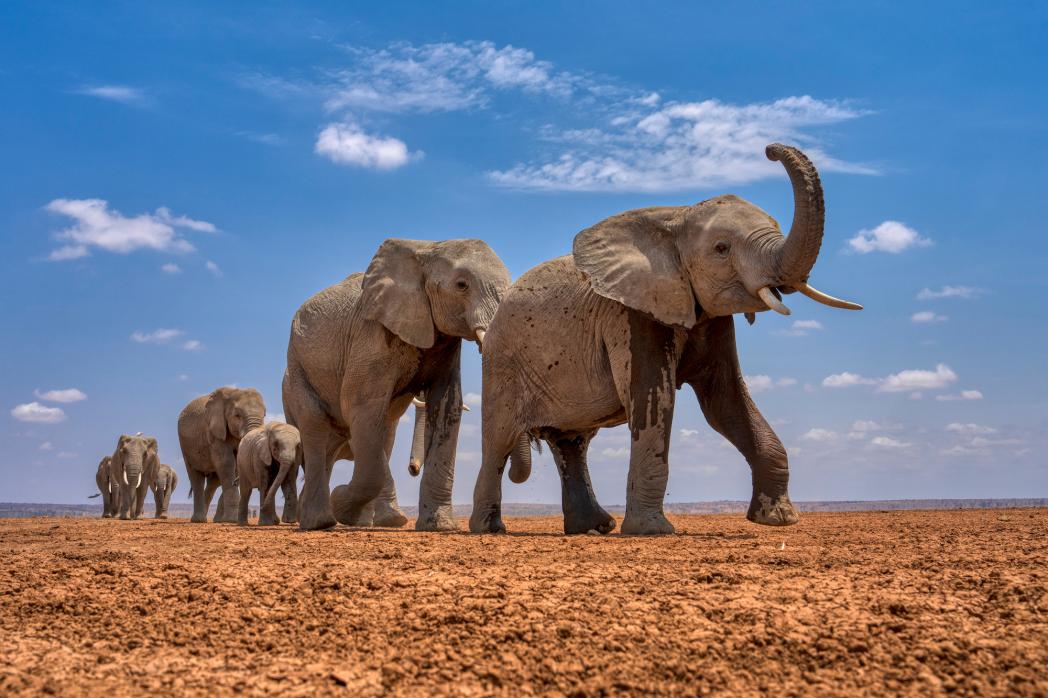
Following their nose
As well as their famously long nose, the area of the brain responsible for processing smell in African elephants’ is also very large. This highly sensitive sense of smell is used for locating food and water, social communication and recognition, predator detection, and more.
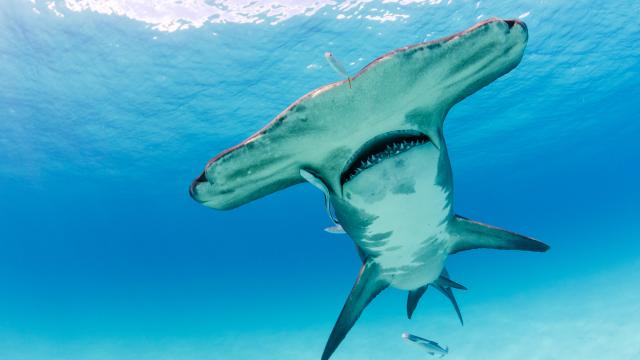
A sixth sense
Making use of special receptors across their t-shaped head, hammerhead sharks can detect the electrical signals of prey that’s completely buried under the sand.

-
 © Bethany Whant
Author
Bethany Whant, Stories & Content Researcher, WWF-UK
/
Have a question about this article?
Get in touch: contentunit@wwf.org.uk