
Extraordinary encounters from WWF conservationists
Accurate at time of publication: 21 April 2026
“The optimist in me knows the future can be bright... but the realist in me knows we need greater awareness of what we stand to lose...”
Sheren Shrestha, Lead – Snow Leopard Program
Eco-anxiety, an emergent mental health problem in response to the pressure of climate change on our planet, is now widely documented among people of all ages - and acutely felt among those on the frontlines of conservation.
This Earth Day, 22 April 2026, the conversation around ecological grief is louder than ever. Compounding news has sounded how global conflicts have generated mass amounts of CO2 and laid waste to vast swathes of forests and habitat. The IUCN has just reclassified emperor penguins as endangered, while Artemis II astronauts, returning from the far side of the moon this past weekend, described looking back at Earth and being overwhelmed by its fragility – but also its beauty.
In the field notes and recollections of people who have dedicated their lives to the natural world and been privy to the destruction and loss of what once was, many have found renewed hope in wild encounters right here on earth.
WWF has asked staff, researchers and partners to share these experiences in nature that stopped them in their tracks – stories of luck, awe and renewed purpose.
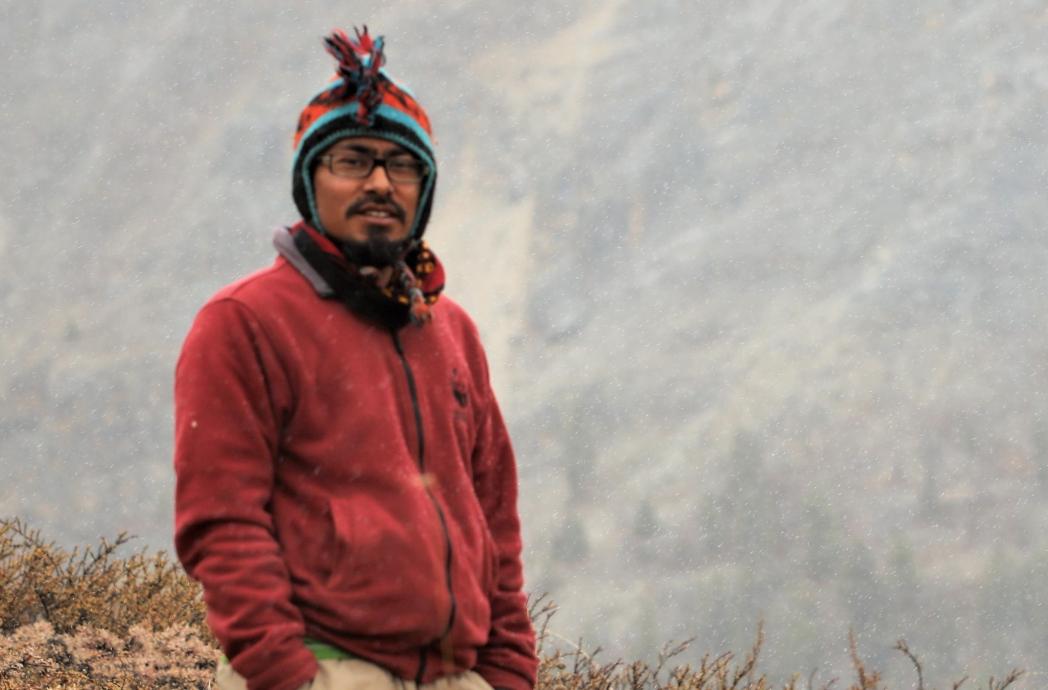
Sheren Shrestha, Lead – Snow Leopard Program, WWF
“My first wild sighting of a snow leopard was in Shey Phoksundo National Park (SPNP) in western Nepal. The animal walked calmly along the mountain slope that rose steeply upward of our camp, that evening, traversing between us and our horses and yaks grazing in the slope. All eyes – humans and animals – were on the snow leopard as it walked gracefully up to the nearby ridge, positioned itself to mark its territory, and finally disappeared into the mountains.
This event epitomized our vision for me: snow leopards and people living in harmony. Yet this romanticism was short-lived. A few days later, during this trip, I saw the challenges that lay before us. I observed resilience and exceptional patience of local communities losing livestock, but also frustrations and anger reaching breaking point. I sensed their desperation and the reality of retaliatory killings of snow leopards, in absence of support during their times of need.
Since that trip in 2018, we have been able to positively impact many lives in SPNP. These were a collective effort of governments and communities here, facilitated through contributions of our supporters, including from the UK. I, as part of WWF, feel privileged to be a part of this bridge between those who care and those who need support.
Our world is interconnected, and our futures are closely linked. The fates of flagships such as snow leopards are an indicator to the fate of people – our friends and families."
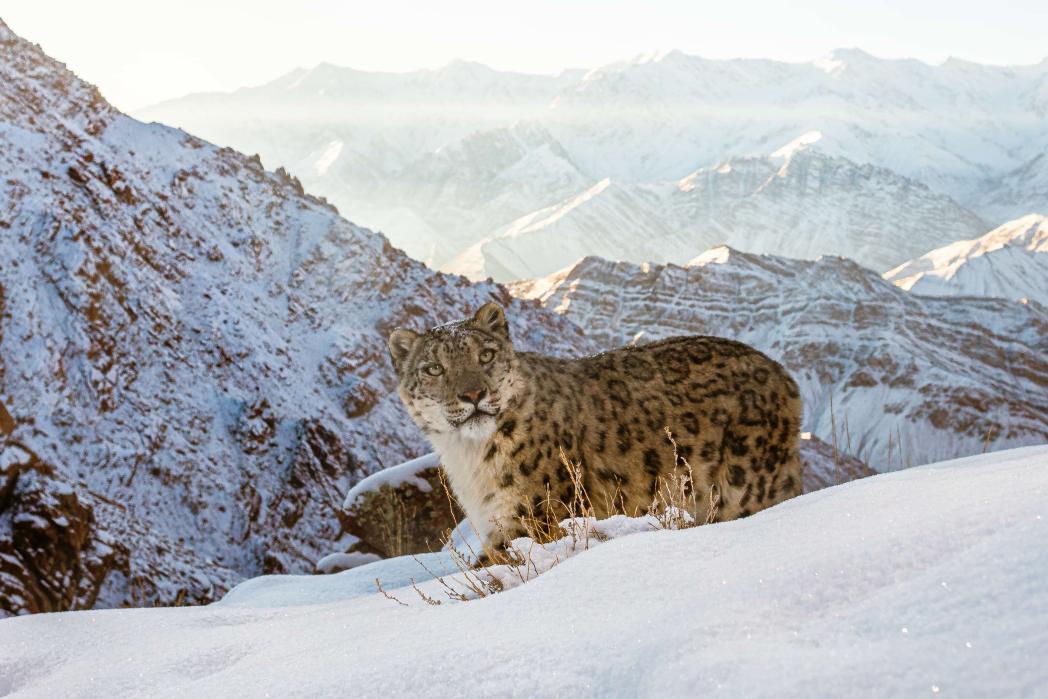
"All eyes – humans and animals – were on the snow leopard"
Sheren Shrestha
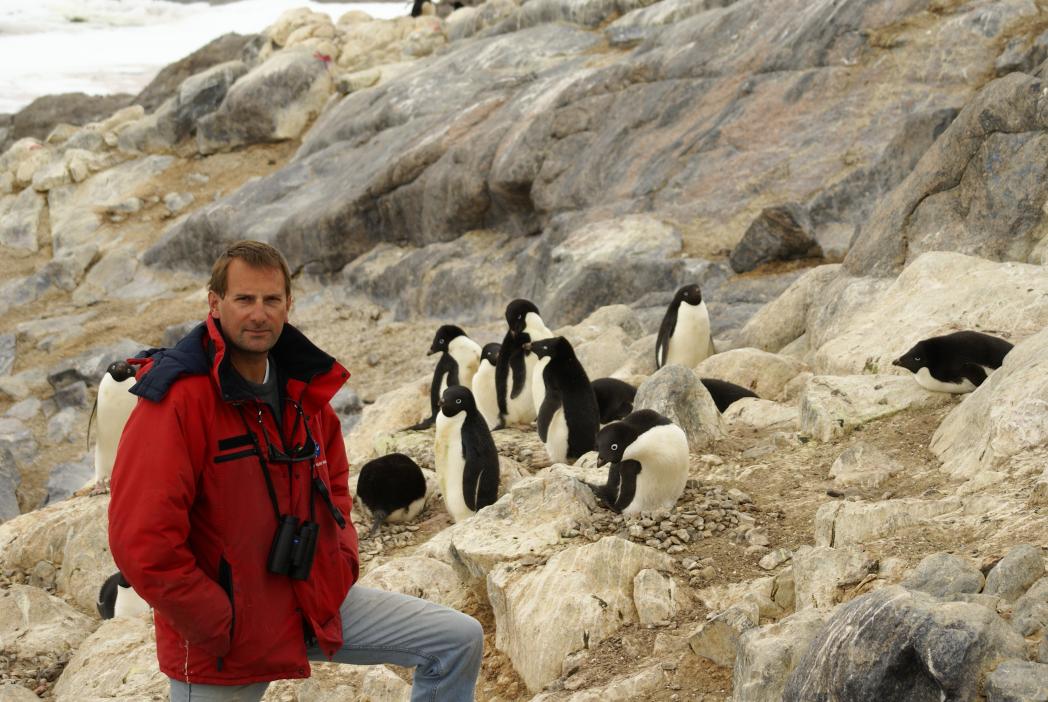
Yan Ropert-Coudert, Director of Research CNRS (WWF conservation partner)
“The first time I saw penguins I did not realize what I was looking at. I was on a dinghy boat, moving across the Baie du Marin in Possession Island, the main island of Crozet archipelago in the French subantarctic territory. I was about to overwinter as a young scientist for 16 months on this island. As the dinghy was sailing towards the beach I came to realise that the whitish-greyish pebbles that were in front of me were in fact thousands and thousands of penguins in the distance. I had never seen such a concentration of wild animals. I was watching in awe as the noise and smell superimposed on the scenery! This was so intense.
My main work there focused on studying king penguins' whereabouts at sea using satellite trackers. Besides satellite trackers, a variety of bio-loggers also recorded information to tell us where the penguins go, how deep and how often they dive, what they feed on, etc. The reconstruction of their activity at sea repeated over years is paramount for defining zones that are ecological "hot spots" for the birds. This helps establishing conservation measures, like setting boundaries for protection. My overwintering time with penguins was determinant in guiding my career; I left the island knowing what I would do in the future: continue to investigate penguins at sea to help establishing conservation approaches, especially Marine Protected Areas. Not only king penguins, any penguin species!
Thirty years later, here I am, co-piloting a long-term monitoring program on Adélie penguins in the Terre Adélie sector of Antarctica, fighting for a Marine Protected Area to be created in the waters in front of the colony we are monitoring. And for this I have two allies: my employer, the CNRS, who gave me a permanent research position allowing for working on this long-term vision; and the WWF-UK for its indefectible support since the creation of the long-term monitoring on Adélie penguins, allowing us to function and helping us turn our dream into a reality.”
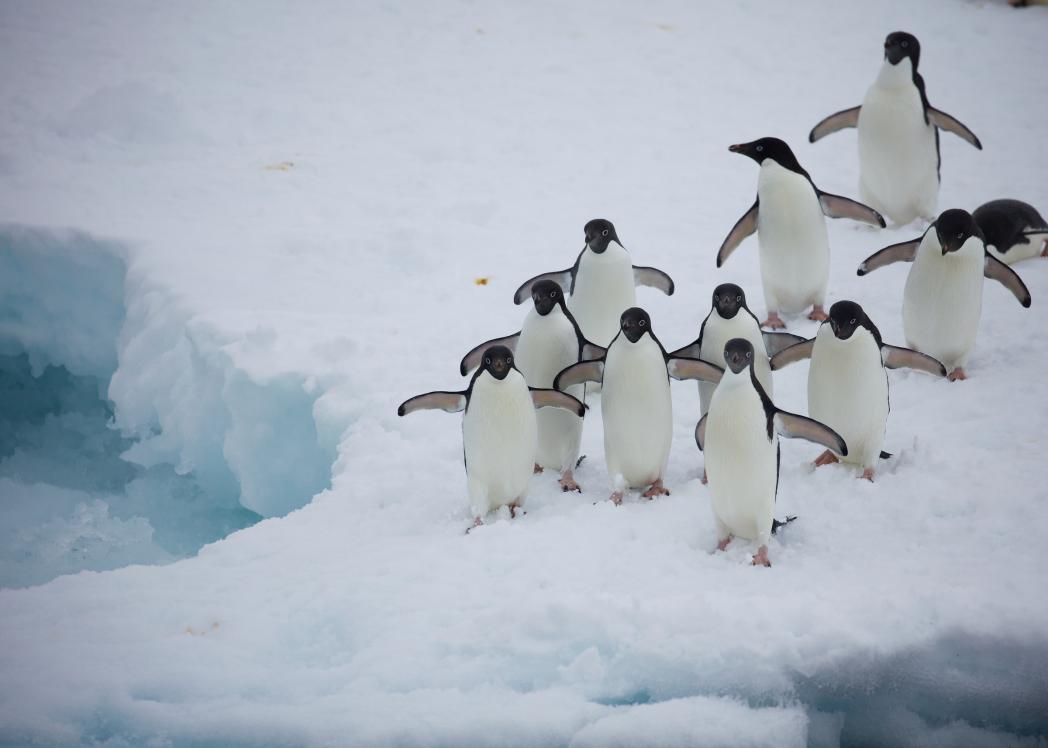
“Sailing towards the beach, I came to realise that the whitish-greyish pebbles that were in front of me were in fact thousands and thousands of penguins in the distance...”
Yan Ropert-Coudert
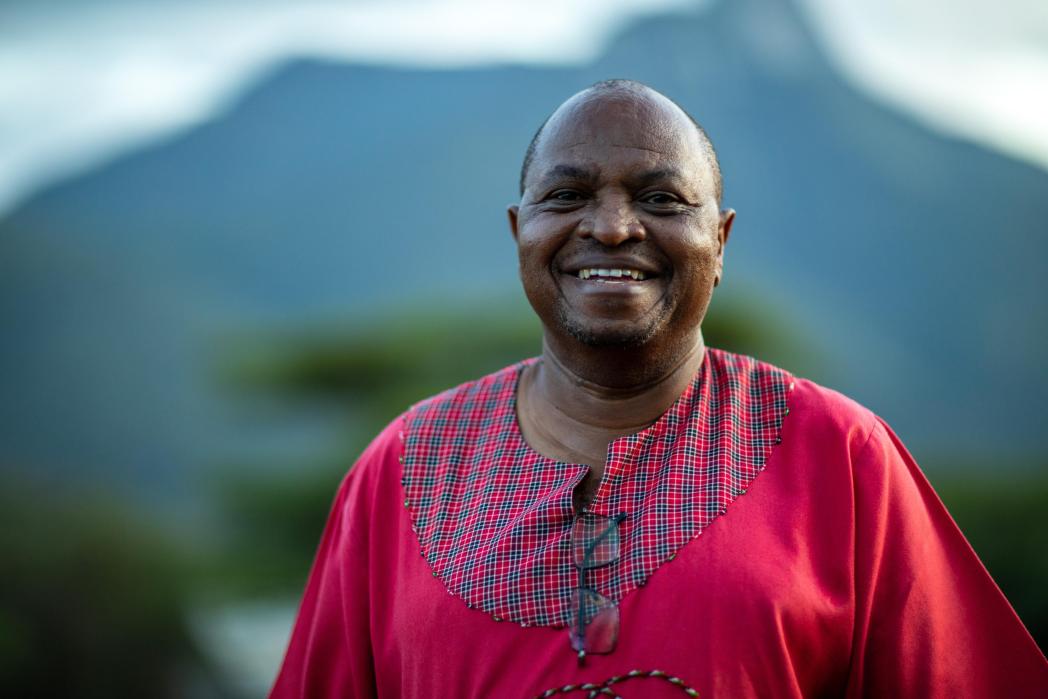
Professor Noah Sitati, Wildlife Species Expert, WWF-Tanzania
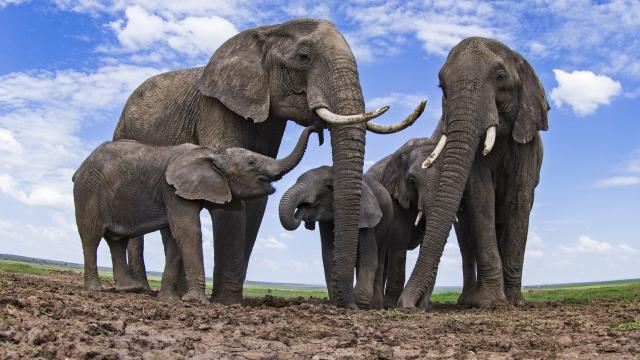
“My first time seeing an elephant I was a little scared. But the longer I’ve worked with them, the more confidence I’ve gained, and now I can move closer because I understand them. I’ve developed a liking and a love for them. The Maasai even call me the elephant man!
Kenya had 160,000 elephants in the 1960s and 1970s, but because of poaching, illegal trade and conflict with humans, they lost almost 92% by the 1990s. But now we’re seeing an increasing elephant population in Kenya with over 40,000 because of conservation efforts.
From using technology to show people where elephants are, to supporting communities to protect their livelihoods, we can help reduce conflict. Looking ahead, elephants have a very difficult future as infrastructure and agriculture development increases, but the solutions lie in the community. Bringing local people into the centre of conservation through community conservancies helps people and elephants thrive.”
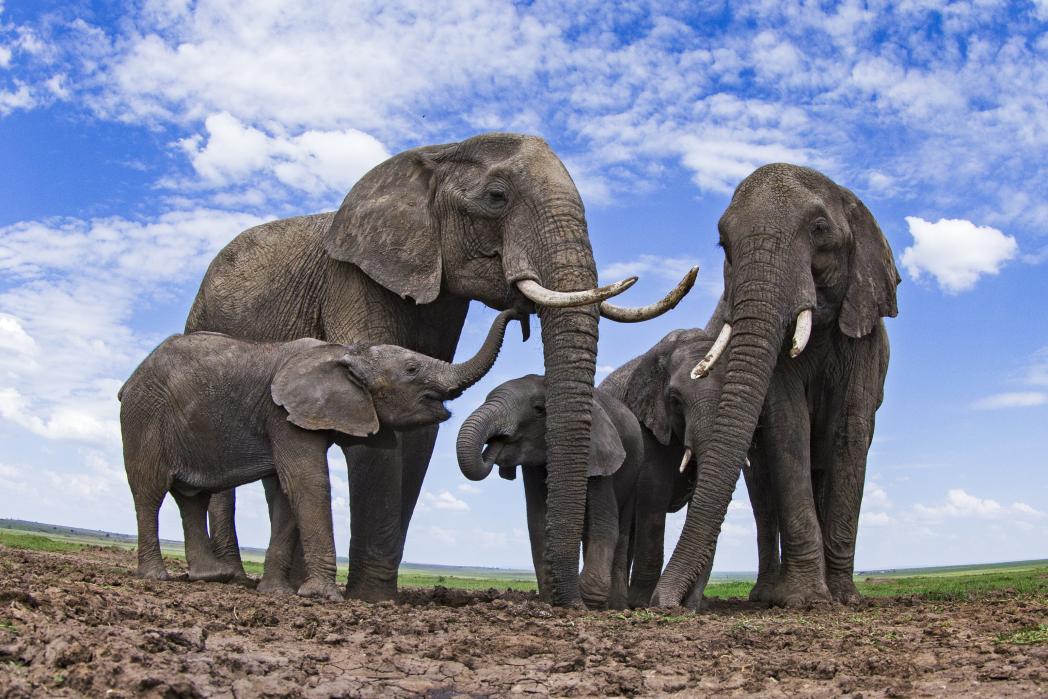
“I love their intelligence, but they really are scared of mice!”
Professor Noah Sitati
“I was very excited, the first time I saw them; a rhino is not an easy animal to see! I have a photo I took with a rhino in a national park, it came very close to where I was seated and my colleagues were leaping away, they were so scared. But I know to be calm and smile.
I’m always happy every time I see them, just looking at their size, and their horn. But it’s so easy to feel sad for them. Sometimes the horn can be removed to deter poachers, but without a horn it’s just not a rhino anymore.
Over the past 40 years, poaching saw the population in Kenya, which once numbered over 20,000, fall to less than 400. But the government has taken action... and black rhinos now number over 1,000.
In the future, communities will be the front line of defence for rhinos, but we need to do a lot of education so fewer people will resort to poaching.”
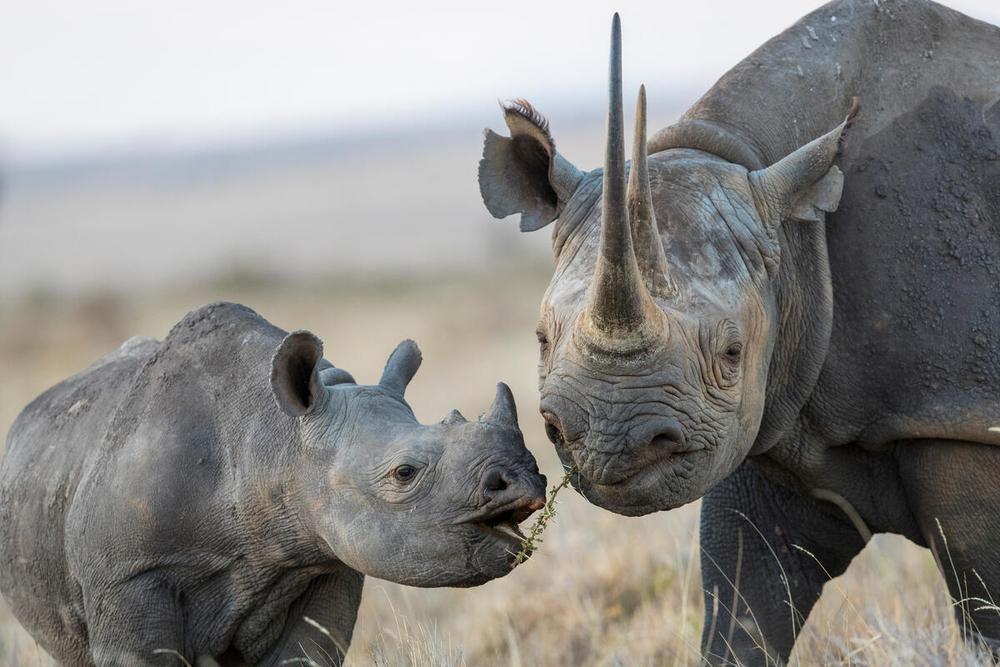
“My colleagues were leaping away… I know just to be calm and smile”
Professor Noah Sitati
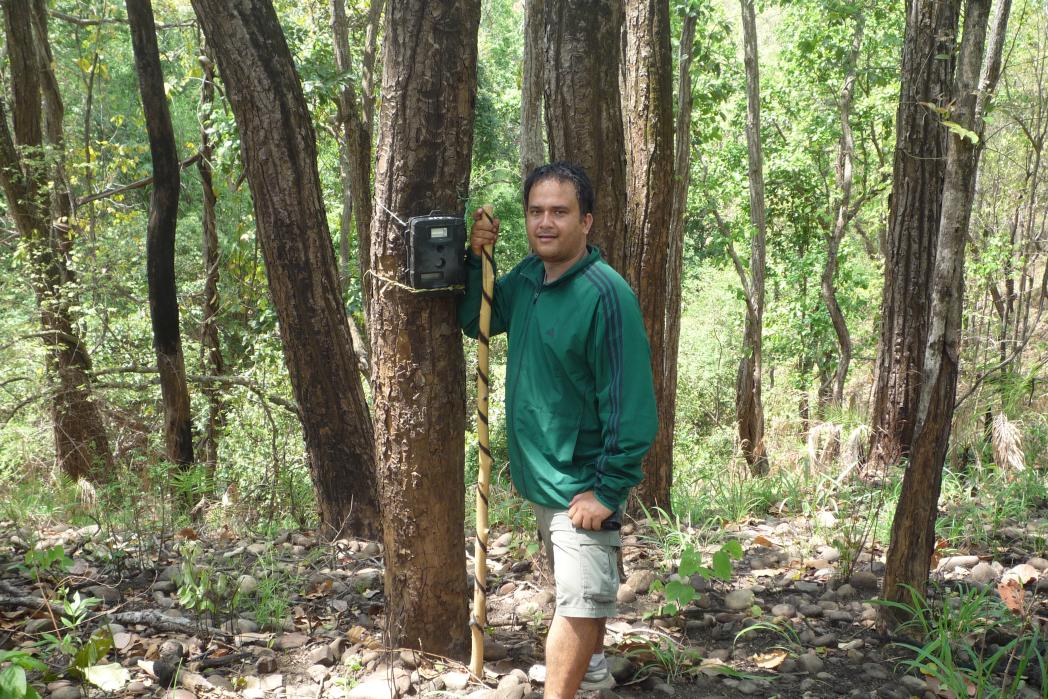
Kanchan Thapa, Conservation Biologist, Tigers, WWF-Nepal
“It took me 20 years to lay eyes on a wild tiger. In my career, I’ve spent weeks deep in tiger territory without ever spotting any stripes, but I broke that spell in early 2020 when a young male emerged from the tall grass to quench its thirst. It was a dream come true for me, a moment that filled me with renewed enthusiasm, awe, and a deep sense of luck.
Deforestation was main cause of tiger decline in the earlier days in Nepal, followed by poaching. In the 1970s the Smithsonian Institution/Nepal Terai Ecology Project was established, collaring the first tiger in 1974 and laying the foundations for all tiger conservation in the world today.
Since 2010, tiger numbers have risen from 121 to 355, but poaching remains a constant threat. The key to successful conservation remains in the community with youth volunteers, community members in anti-poaching units and citizen science.
I’m very optimistic about the future but it’s crucial that we sustain our momentum. If we don’t, we risk undoing decades of progress within just a few short years.”
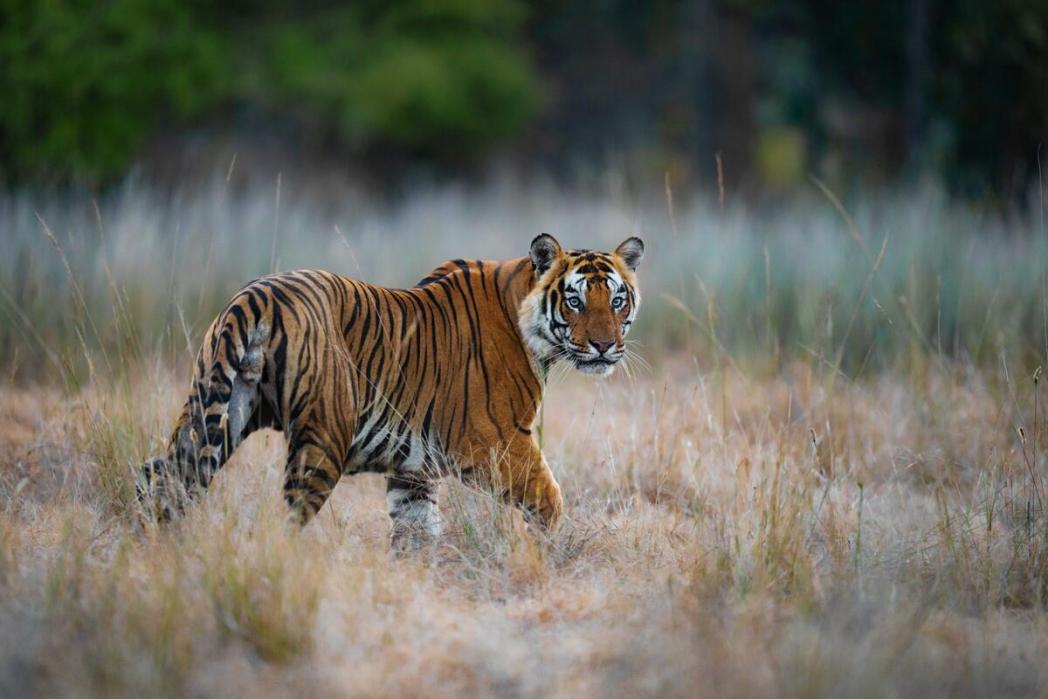
“A moment that filled me with renewed enthusiasm, awe, and a deep sense of luck”
Kanchan Thapa
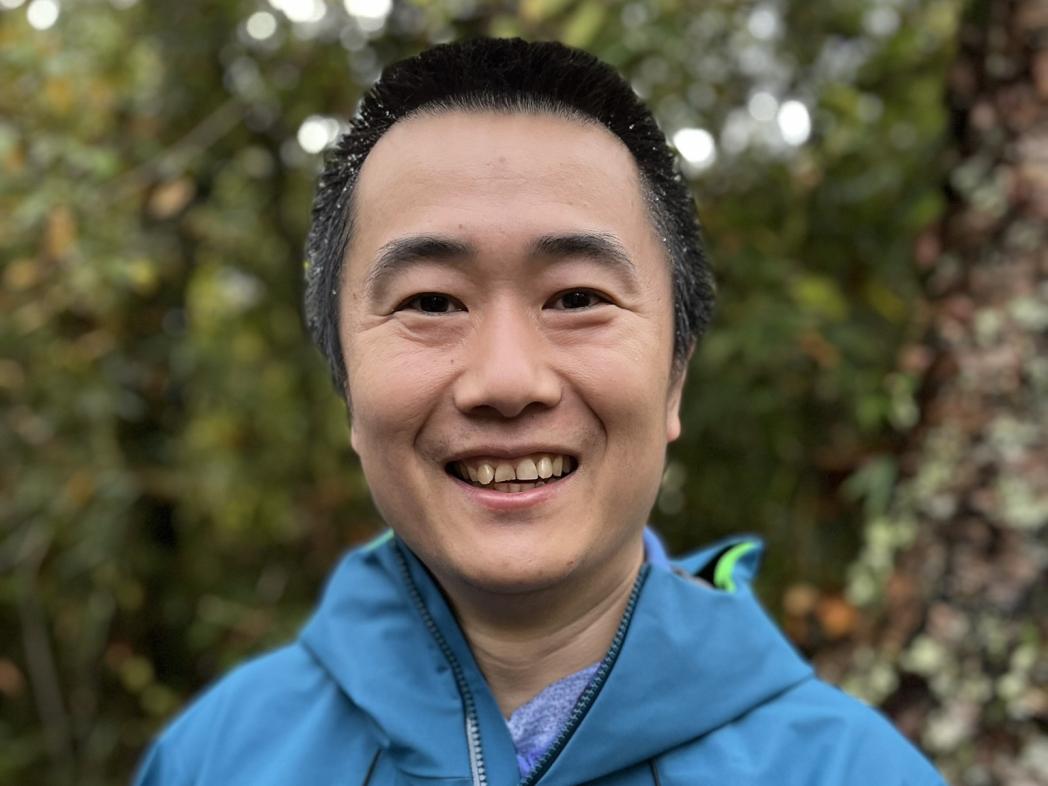
Pu Guijun, Senior Programme Manager, Panda Conservation, WWF-China
“My first time seeing a wild giant panda was seven males fighting over a female. My first feeling was ‘wow, how lucky are we?’ I’d worked on panda conservation for five years, so I know the chance to meet one in the wild is so low, it feels like you’re more likely to win the lottery!
Forty years ago, there were only 1,114 wild pandas due to the combined impacts of habitat quality, bamboo die-off and most importantly, human pressures from construction, mining and grazing. Today, after 40 years of conservation efforts the fourth national panda survey, recorded 1,864 wild giant pandas. They were subsequently downgraded from ‘endangered’ to ‘vulnerable’ in the IUCN Red List. Giant panda conservation still faces many challenges, including habitat fragmentation, unsustainable firewood collection, overgrazing, large-scale tourism and other human activities."
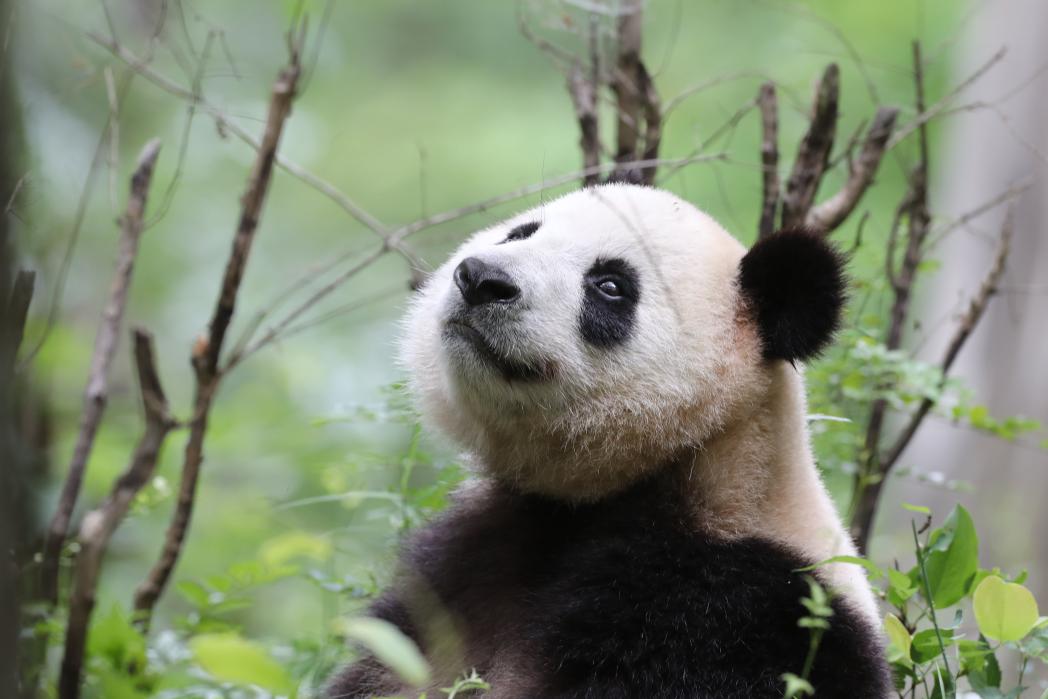
“It feels like you’re more likely to win the lottery!”
Pu Guijun
Join WWF
-
 © Camille Chorley
Author
Camille Chorley - Media Manager, WWF-UK
/
Have a question about this article?
Get in touch: press@wwf.org.uk