
Pillar: Reflecting
Curiosity beneath the waves
Use curiosity and creativity to explore the amazing wildlife in our oceans
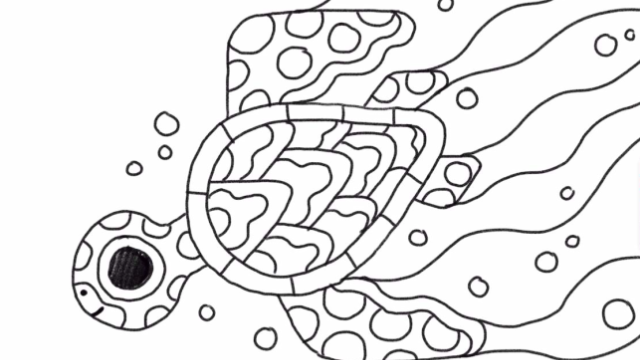
Turtle Drawalong
Guess the Ocean Creatures
Action Challenge
10+ minutes / Inside
Embark on an underwater adventure, using clever questions to discover and identify different ocean species: Work together to reflect on what you know in our ‘deep dive’ into ocean life!
Learning outcome: Pupils will test their powers of curiosity, reflection and understanding by asking scientific questions. They’ll deepen their knowledge of the world beneath the water and reflect on the power of a good question.
Instructions
- Put pupils into pairs with a “Guess the Ocean Creature” worksheet each. The aim is to guess which animal creature their classmate has chosen with just three yes/no questions.
- Explain this activity is about the importance of curiosity and questioning for scientific inquiry. A good question will use the creatures’ similarities and differences to cross lots out.
- After three questions, it’s time to take a guess before swapping roles!
- Discuss how asking the right questions helped them to reflect and learn about nature. Use prompts like “What were the best ways to identify species? Why do you think questions are important for scientists to protect nature? “
- Reflect on how they can protect the oceans by staying curious about different species’ and how they are impacted by human activity. Challenge them to spend a few minutes generating a long-list of questions they would need to ask to truly protect their species.
Adaptations
- For pupils who may need additional support, you can provide questions for them to choose during the game – for example, writing options on the board like “Do I have flippers? Am I blue? Do I have tentacles? Do I have more than 2 eyes?”
- Alternatively, if pupils will find the game easy, why not increase the difficulty by turning the guessing game into a class-wide challenge? Set half the pupils as reflectors and half as a creature of their choice. Challenge pupils to move around the room questioning their classmates to find a specific creature as quickly as they can (e.g., find the whale in under one minute!).
Extensions
- Before beginning, pupils can do extra research into the creatures to learn more about them and ask even better questions.
- If you have time, you can extend the final part of the activity – encourage them to share their list of questions with each other, get suggestions from classmates, or even research the answers to the questions and create an informative learning poster.
Half of a Drawing
Creative Challenge
15+ minutes / Inside
Team up to recreate the missing half of an ocean image: develop curious questioning, thoughtful reflection and good listening through art!
Learning outcome: Pupils will develop their metacognition, feedback and communication skills. They will learn about peer critique and how it helps them to grow and improve their work, while also developing their ability to give kind and constructive feedback to others.
HBN FAQ Slice
Instructions
- Put pupils into pairs and give each one half of one of our ocean-themed images. Ask them to study their side (in secret!) then sketch it.
- They can ask their partner yes/no questions while drawing to help both halves match up (Are you using thick lines? Are you making flippers blue?) – but no peeking!
- When they are finished, put their halves together for a fun reveal. Ask if they match and reflect on how the questions they asked helped.
- Next, hand out our Kind Critic Cards and tell pupils to use them to give constructive feedback about what they like and how they could improve the scientific accuracy of drawings.
- Encourage them to redraft, putting learning into action to see their artworks become more lifelike over multiple rounds – showing just how powerful feedback and reflection can be!
Adaptations
- You can make the challenge more complicated (using different art materials like paints, pencils or pastels) or easier (allowing pupils to review the work in progress drawings midway through to help stay aligned).
Extensions
- Lead a discussion with the class reflecting on the image they have drawn – why is it shaped the way that it is? How does this help them in their environment? What does it tell us about the creature?
- You can have an extended discussion, reflecting on the questions they asked, or include additional rounds of feedback using the Kind Critic cards. If the artwork shows significant improvement across rounds, you could create an exhibition where other pupils (or classes) view each other’s drawings.
- You can use the Kind Critic cards within other Happy By Nature lessons or within your curriculum as a starter or finishing activity to help create a culture of peer critique and feedback.
Browse activities
-
Pillar: Communicating
 © James Morgan / WWF-UK
Polar storytelling
-
Pillar: Communicating
 © Andy Rouse / naturepl.com / WWF
Forest inspired art
-
Pillar: Caring
 © Richard Barrett / WWF-UK
Walrus from space - activity for schools
-
Pillar: Caring
 © Luis Barreto / WWF-UK
Listen to the Amazon rainforest
-
Pillar: Exploring
 © Chris Johnson / WWF-Aus
Explore the polar regions
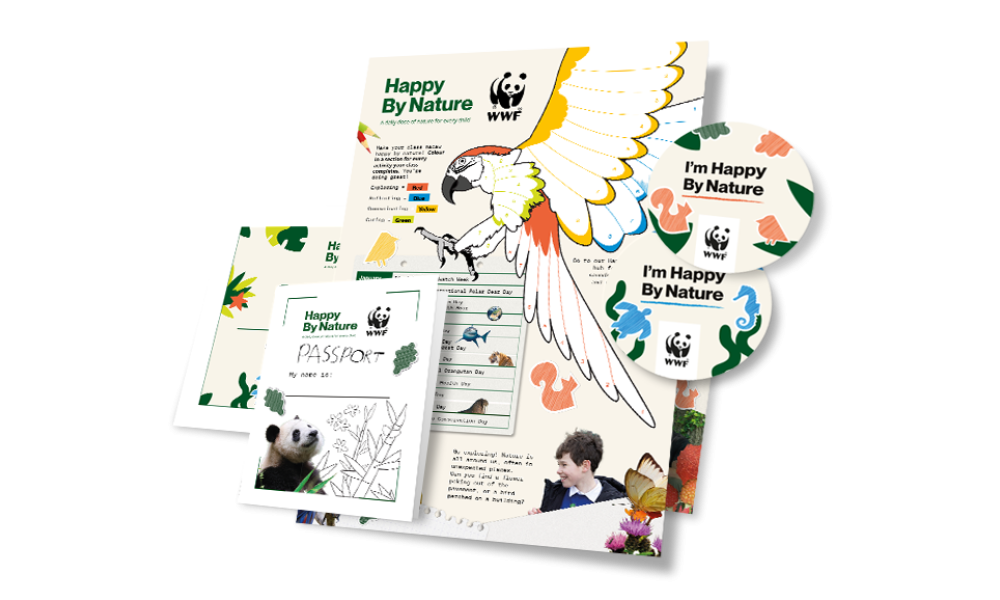
Get your FREE classroom pack
Get your FREE classroom pack
Bring nature into your classroom with a free pack of engaging primary resources to support learning and track progress. Includes a vibrant poster, pupil passports, stickers, and panda pawprint stamps.