

Jaguar:
Around 173,000 remain

Can be found:
Southern USA to northern Argentina

Threats:
Habitat loss and fragmentation, human wildlife conflict, illegal wildlife trade, decline of prey
What sound do jaguars make?
Jaguar saw (call sequence)
Jaguar
(Panthera onca)
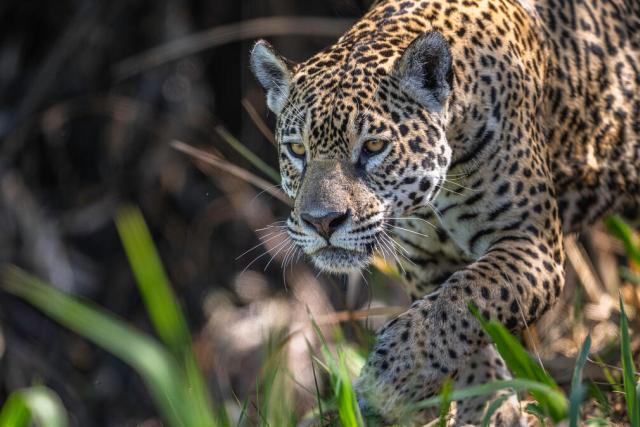
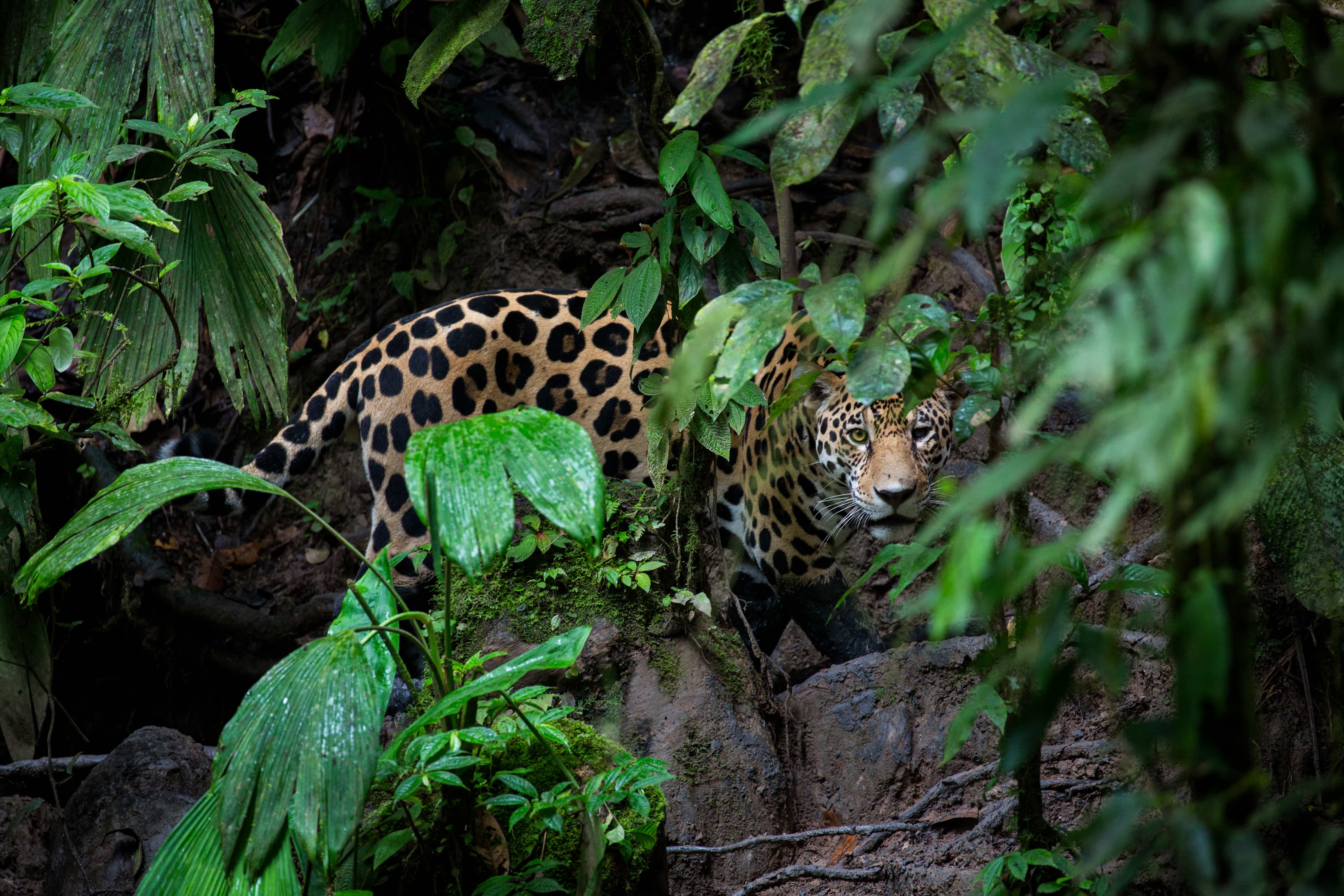
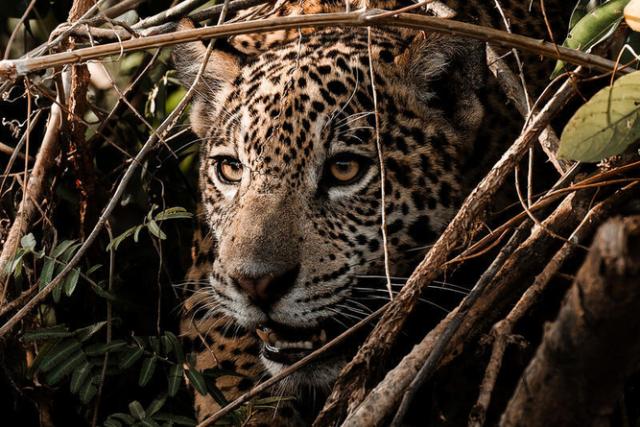
A symbol of the enigmatic power of the Amazon, the jaguar is the largest cat in the Americas. Jaguars have unusually large, round heads, short legs and a stunning coat dotted with dark rosettes and spots.
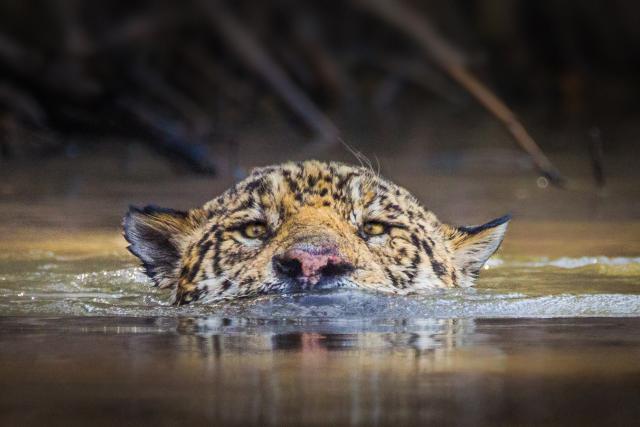
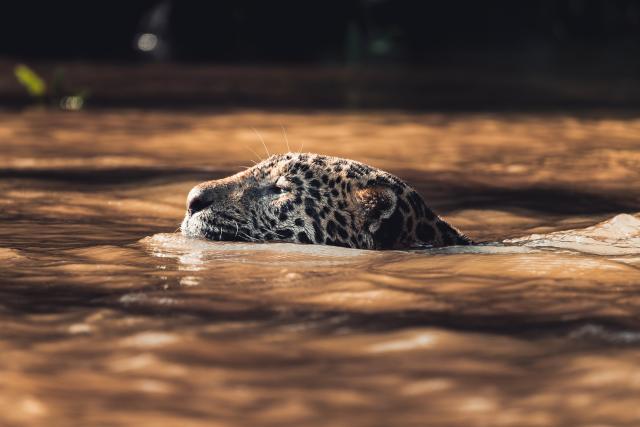
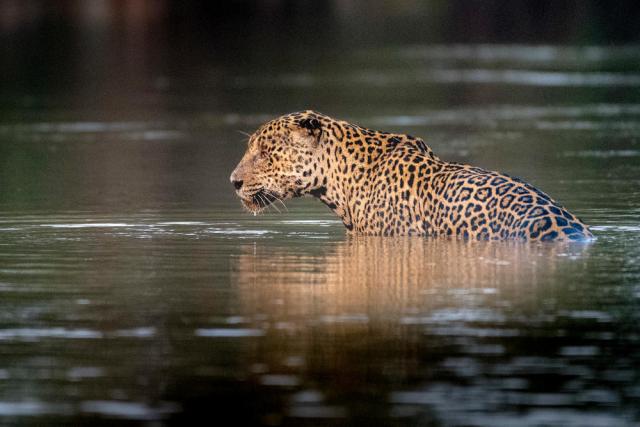
They often live near water and are good swimmers. A jaguar’s ultra-strong jaws and teeth can bite through a crocodile skull or turtle shell, but they’ll prey on almost any wild animal they come across – including deer, armadillos, monkeys and lizards.
Jaguars are currently classified as Near Threatened. However, with its forest home increasingly being destroyed, and conflict growing with farmers and local communities, the remaining jaguar population is declining under serious pressure. Jaguars now occupy less than half of their historical range*. They’re so elusive that we don’t know exactly how many are left in the wild (173,000 is an estimate) – but we do know their numbers are dropping.
*the area a species occupied before major human disturbance and where a species is native, but no longer lives according to the IUCN.
Why are they so important?
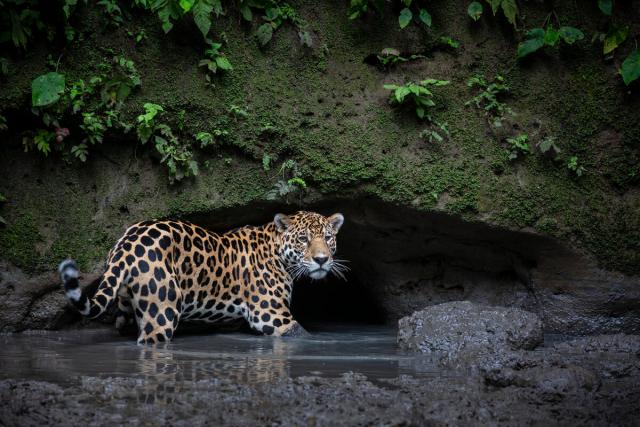
Jaguars are the top predators in their environment, so they play an important role in controlling the populations of other species. This helps keep a balance in the food chain, and a healthy environment.
By protecting jaguars and the places where they live, we’re also helping to look after other wildlife.
Key facts about jaguars
Where do jaguars live?
Jaguars can be found in a variety of habitats - including mangrove swamps, lowland tropical moist forests, cloud forests, grasslands, and wetlands. [1] Roaming around 18 countries including - Belize Costa Rica, Guatemala, Honduras, Mexico, Nicaragua, Panama, Argentina, Bolivia, Brazil, Colombia, Ecuador, French Guiana, Guyana, Paraguay, Peru, Suriname and Venezuela.
How many jaguars are left in the wild?
There are estimated to be around 173,000 jaguars remaining. They have declined by at least 20-25% since 1990. [2]
What is the size and weight of a jaguar?
Jaguars are up to 170cm long (not including their tail) - that's equivalent to a 5ft 7inch human. If you include a jaguars' tail, which can be up to 80cm long, it would be as long as the tallest man alive who measures at 8ft 2inches tall. Jaguars can weigh anywhere between 36-148 kg.[1]
What do jaguars eat?
Jaguars are opportunistic hunters and can prey upon almost anything they come across. Over 85 different species have been found in the jaguar's diet, including capybaras, deer, monkeys, armadillos, caimans, fish, birds, iguanas and snakes. [1]
What is the IUCN status of jaguars?
Jaguars are listed as near threatened on the IUCN Red list. [2] This is between 'vulnerable' and 'least concern'.
Where do Jaguars live?
Explore the map below to see the IUCN (International Union for Conservation of Nature) range data for jaguars. [3]
-
 © Andre Dib
 -
 © WWF-US/Yawar Films
 -
 © Diego Pérez / WWF Peru
How we're helping jaguars
The Amazon is a jaguar stronghold for long-term survival. Under our regional jaguar conservation strategy, we are:
- Helping stop the destruction of the Amazon rainforest and other vital jaguar habitats like the Cerrado.
- Strengthening sustainable livelihoods.
- Creating and maintaining wildlife corridors so jaguars have the space they need to live and hunt naturally.
- Stopping jaguar killing - by improving co-existence between jaguars and local communities, helping governments to enforce restrictions, and ending the illegal trade in their body parts.
- Ensuring science informs our efforts - monitoring individual jaguars to better understand them in order to protect them.
- Safeguarding protected areas and Indigenous lands.
Find out more about our work on jaguar conservation and coexistence in Colombia.
Hunting in the shadows of the Amazon
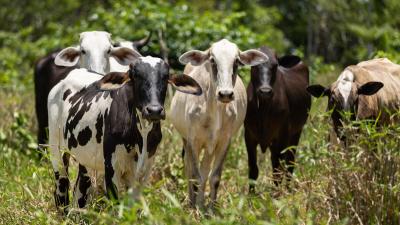
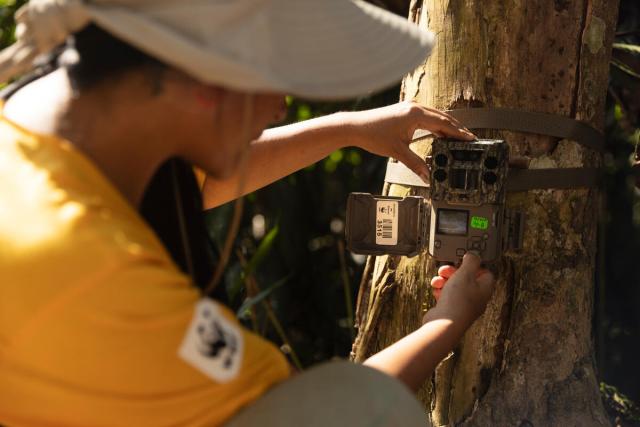
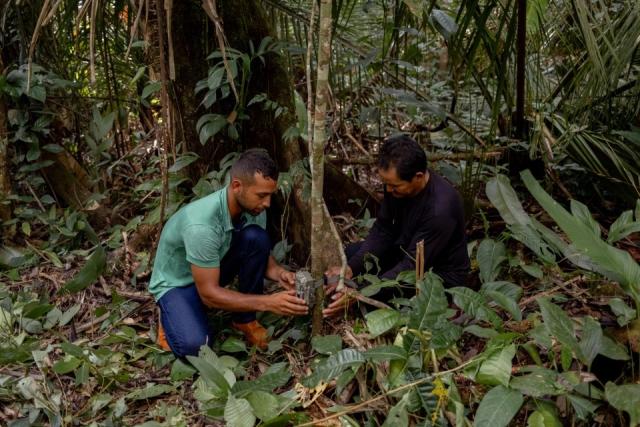
Aiming to reduce recurrent conflicts between people and jaguars in the territory, WWF-Brazil brought together small-scale cattle farmers, Indigenous people and local communities in a workshop. Techniques presented for conflict prevention and reduction included what to do on sighting a jaguar, installation of solar powered lights, bells on cattle, fences to deter jaguars and adoption of cattle management best practice, such as not leaving calves near the forest. Participants also learned how to install and use camera traps and identify footprints – essential to researchers’ work and understanding wildlife in the region.
The 18 participants of the workshop were strategically chosen to represent the local communities. They will become a local reference to disseminate knowledge and help solve and reduce human-jaguar conflicts in their communities. Following the workshop, they have reported no further cases of jaguar attacks on livestock and domestic animals in their communities.
Hope amidst loss - Jaguars and indigenous people
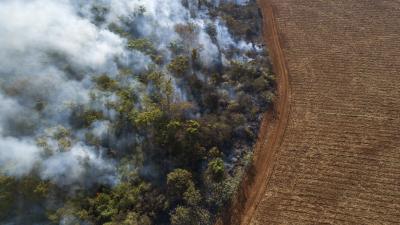
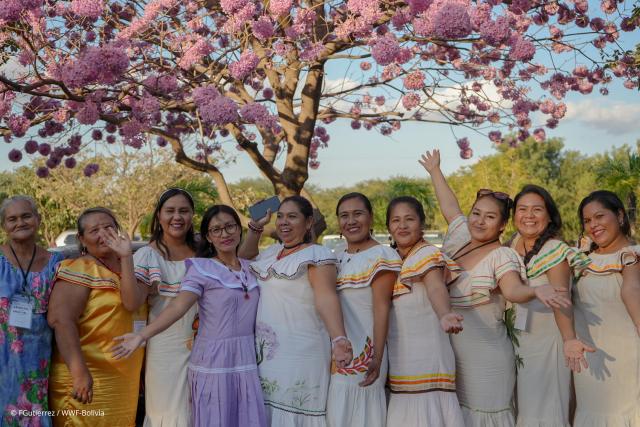
The forests jaguars, and communities of Chiquitanía, Bolivia, face mounting threats from increasingly frequent and intense forest fires, worsened by climate change and unsustainable land use. WWF-Bolivia and the Autonomous Departmental Government of Santa Cruz joined forces in a strategic alliance to carry out the pilot project “Communities Prepared Against Forest Fires”, with the aim of strengthening the resilience of the territory and communities against future fires.
Adopt a Jaguar
Adopt a Jaguar
Your adoptions will help protect jaguars in the Amazon and help fund our other vital work around the world. When you choose an animal adoption, you are supporting both your chosen animals as well as wider work to help bring our world back to life.
We also recommend
10 Facts about jaguars
Take a jaguar quiz
International jaguar day – 29 November

Go Wild – WWF’s Club for Kids
Sources
- Map range data: © Panthera 2017. Panthera onca. The IUCN Red List of Threatened Species. Version 2025-2 https://www.iucnredlist.org. Downloaded on 05/08/2025
- IUCN Cat Specialist Group | Jaguars
- The IUCN Red List of Threatened Species 2017: e.T15953A123791436. Quigley, H., Foster, R., Petracca, L., Payan, E., Salom, R. & Harmsen, B. 2017. Panthera onca (errata version published in 2018).