
World Orangutan Day - 19 August
This World Orangutan Day, learn more about these incredible apes and what you can do to help them.
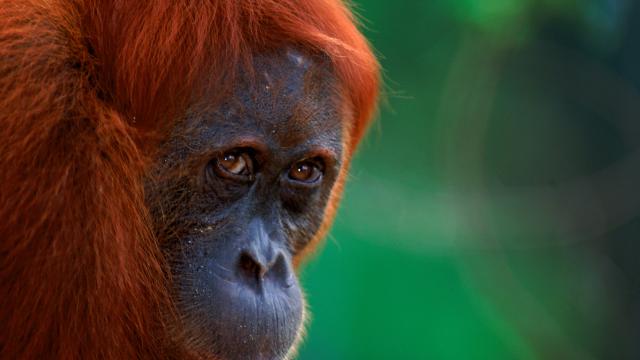
On this day we celebrate Orangutans!
To coincide with World Orangutan Day, we’d like to invite you to get to know more about these amazing apes.
Face first: how to ID an orangutan
How much can we tell about an orangutan from its face?
When the team in WWF-Malaysia monitor orangutans, there are certain visual cues which help the team to tell the individual’s age, and whether the orangutan is male or female (sexual dimorphism). These insights help researchers to understand population composition.

Infants, juveniles, adolescents
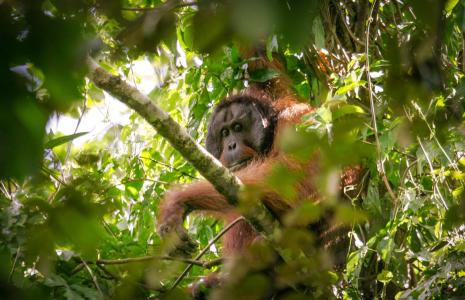
Flanged Males
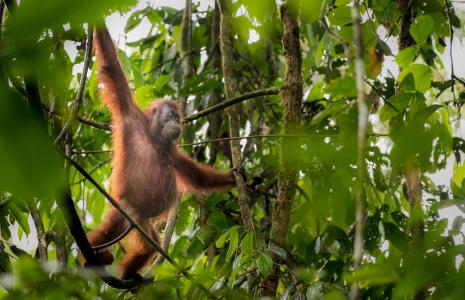
Unflanged Males
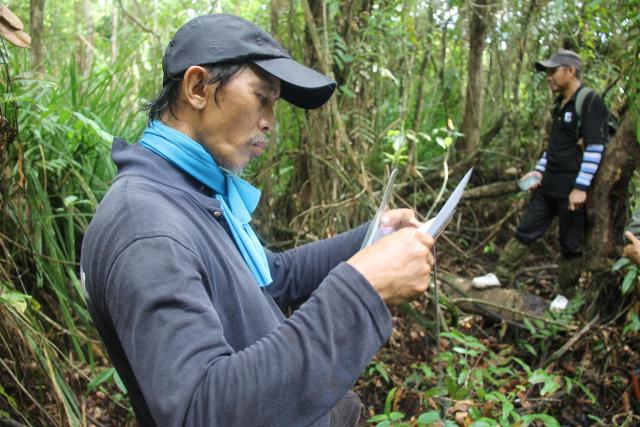
Words of wisdom from William: Orangutan expert
There’s a lot to learn about the diet, behaviour, and habitat of these great apes. Who better to share some insights than William Joseph – Senior Programme Assistant for Orangutan Conservation at WWF-Malaysia.
William monitors orangutans across Sabah including in Bukit Piton Forest Reserve – a site where WWF has worked to restore with partners since 2007 after forest fires and years of logging. He never tires of monitoring their interesting behaviours even after 25 years of experience working in conservation. He records their behaviour, including what they eat.
Orangutans are primarily frugivorous, meaning fruit makes up the largest portion of their diet. But during the non-fruiting seasons – when popular seasonal fruits like durian and mangosteen are less available – orangutans will more often resort to leaves, bark, and insects like termites and ants.
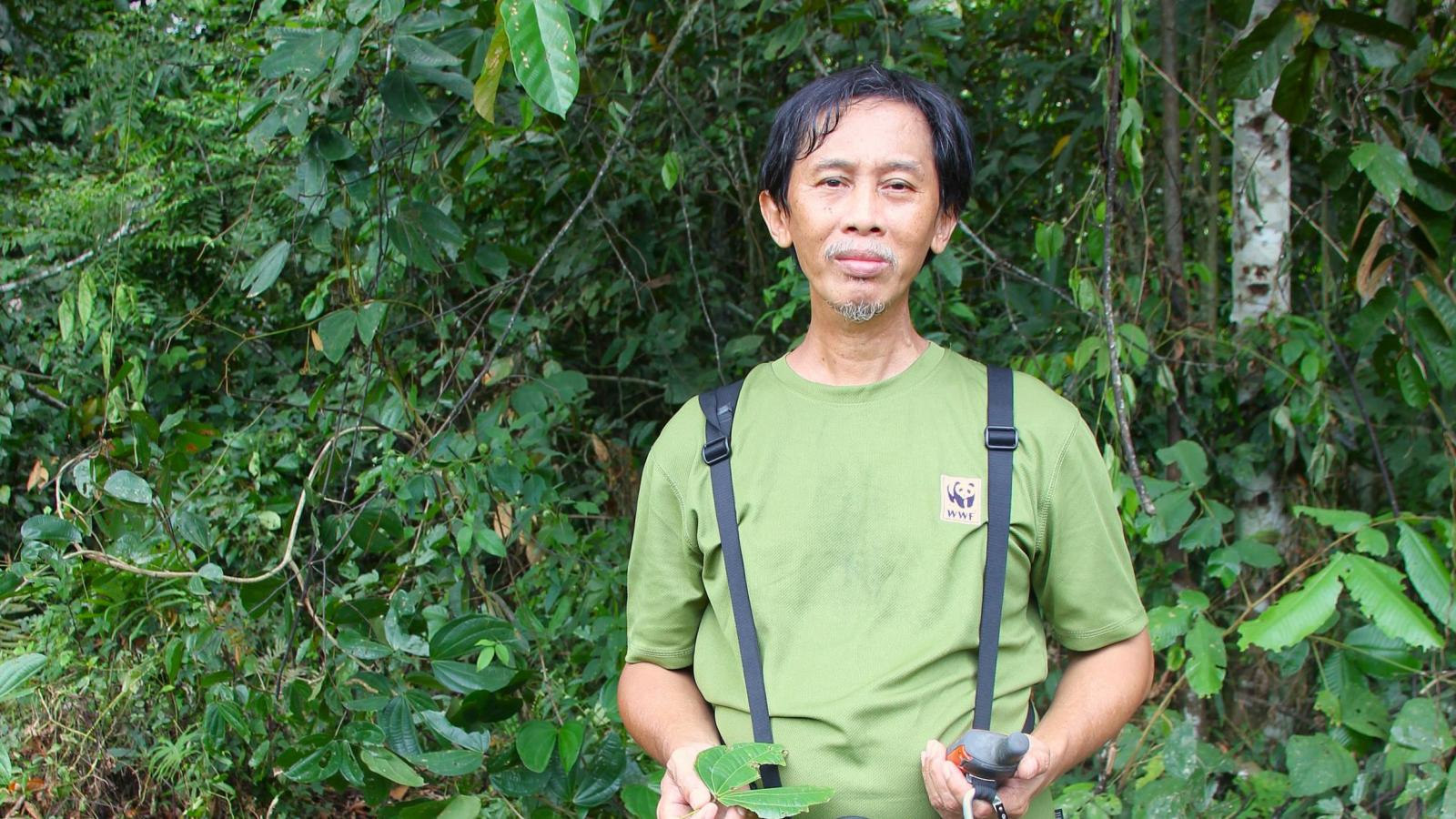
“After all these years, I still enjoy being out in the field. Every day is different. Even when I follow an orangutan for an entire day, I never get bored. When restoration first began, there wasn't much food available for orangutans. During that period, I often observed them feeding on climbers. They would strip and chew parts of the climbers, sometimes taking the juice from the roots. Watching how mothers interact with their babies, how individuals behave, and sometimes even how aggressive they can be, is always fascinating.
After spending so many years with orangutans in the forest, I can say they are truly special animals.”
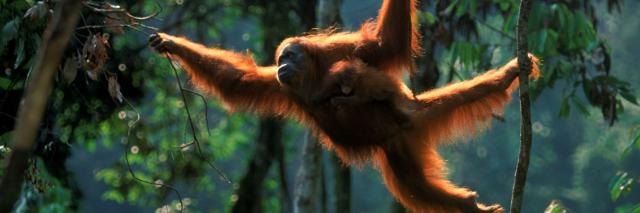
Learn about Orangutans
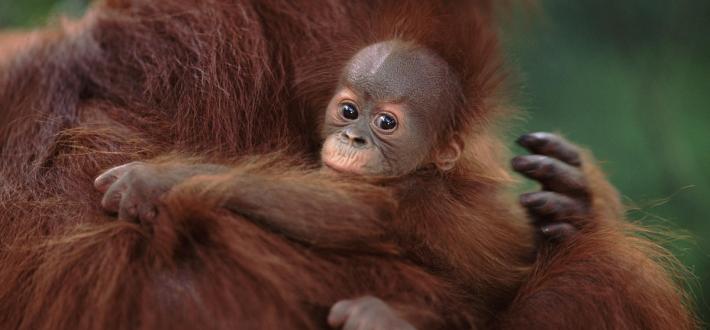
Test your Orangutan knowledge
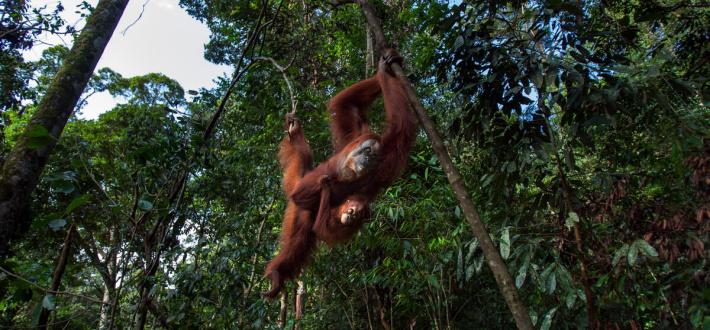
Top 10 facts about orangutans
World Orangutan day activities
-
 © Getty
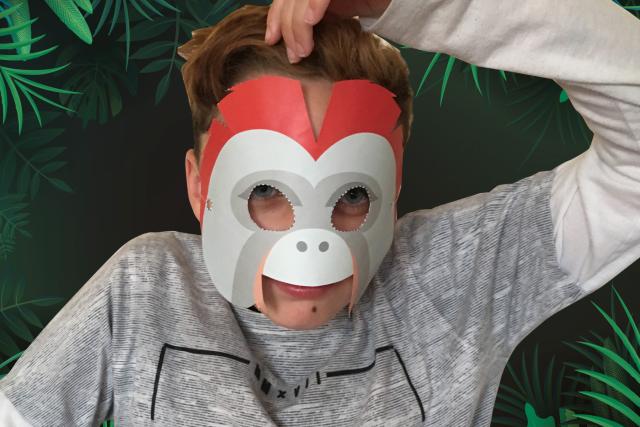
Craft your own orangutan mask
MoreClose Turn yourself into this gentle forest dweller with our downloadable template.
-
 © Getty
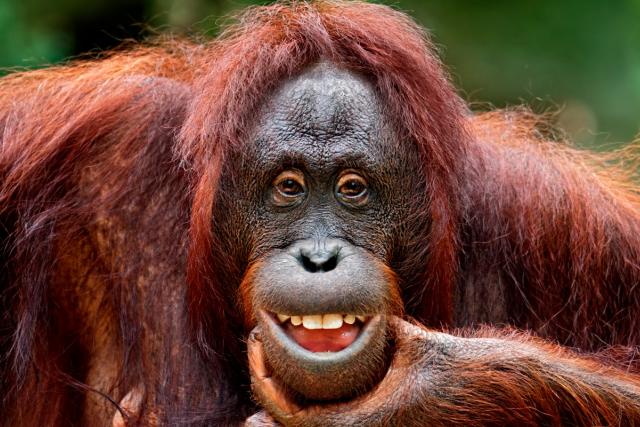
Can you speak animal?
MoreClose Animals communicate with each other in all sorts of ways – and not always by making a noise! Can you match these weird ways of keeping in touch with the right animal?
-
 © Getty
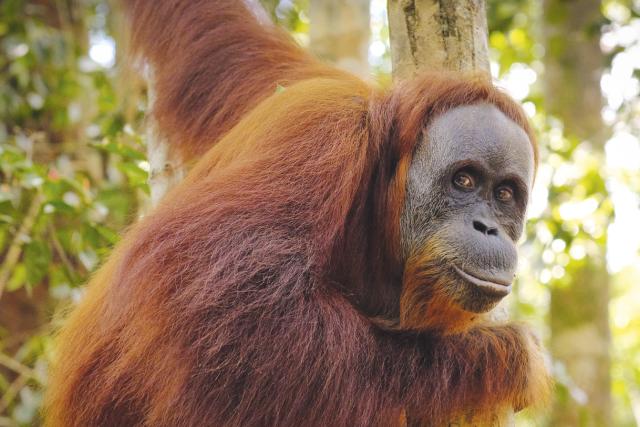
Forests of life
MoreClose On the tropical island of Borneo, forests are alive with wonderful wildlife – which we’re helping protect! Find out more about the animals we work with.
/
Adopt an orangutan
We also recommend
Live lessons and events