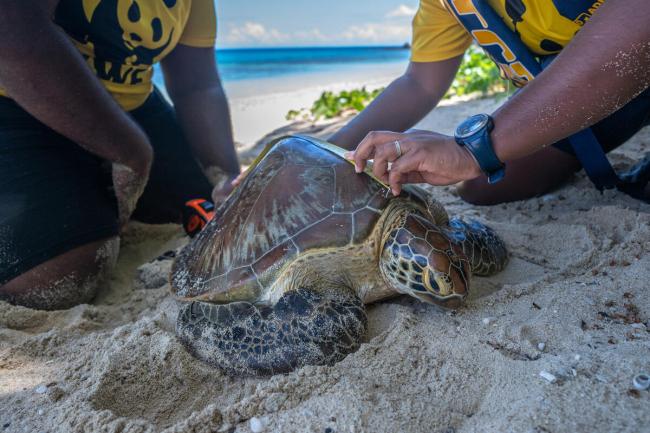
![Tuvuca Island, WWF-Pacific volunteers Adi Fulori, Sevanaia Koroisamani and Melea Rakavu [left-right] taking a walk along the beach.](/sites/default/files/styles/ar_3x2_640px/public/2024-01/52977895135_a4dec32031_k.jpg?h=a1e1a043&itok=pC634gIt "Tuvuca Island, WWF-Pacific volunteers taking a walk along the beach.")
Why Fiji is so important
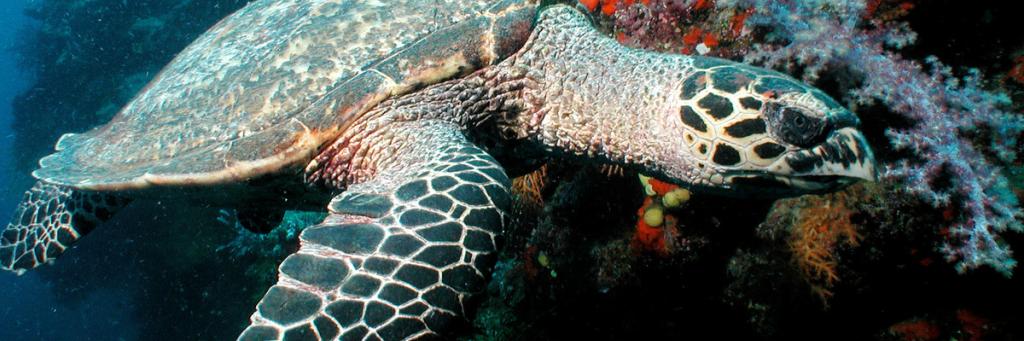
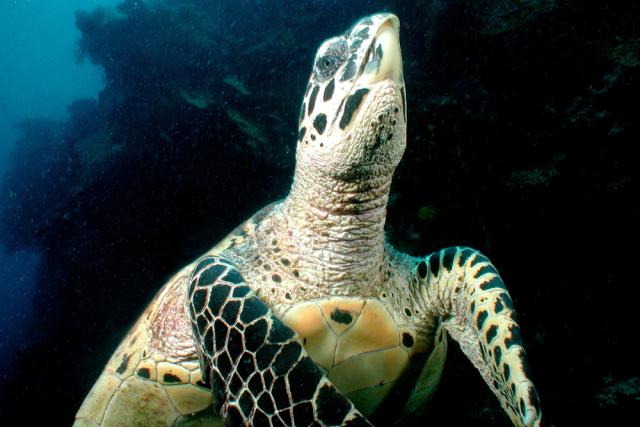
Five of the seven species of marine turtles globally are found in the coastal waters of Fiji - the green, hawksbill, Olive Ridley, leatherback, and the loggerhead turtle. The most commonly occurring are green and hawksbill which also nest on Fiji’s beaches, as more rarely do leatherback turtles.
-17.713371, 178.065033
Fiji
Fiji is an island nation located in the South Pacific and is made up of over 330 islands, of which around 110 are permanently inhabited. Fiji is 194,000 square kilometres in size but only 10% of that is land. Around three-quarters of the population live on the coast, meaning Fijians have a particular dependence on and cultural connection to the ocean.
About Fiji
Fiji has a long-standing network of organisations involved in the conservation of marine turtles many of whom have partnered with WWF over the last decade working with communities, government agencies and partners to strengthen protection. WWF-Pacific’s Fiji office is implementing a marine turtle project, currently focused on four nesting sites of hawksbill and green turtles and on influencing national level policy and practice.
The project has five main strategies:
- Complete and disseminate baseline research and nesting activity, climate change impacts and social-cultural use and trade of sea turtles
- Fiji Sea Turtle Steering Committee established and is overseeing the effective implementation and monitoring of the sea turtle recovery plan 2020-2025
- Joint stakeholder sea turtle protection through a national awareness campaign
- Community turtle management plans developed and integrated into existing community, provincial and national governance mechanisms
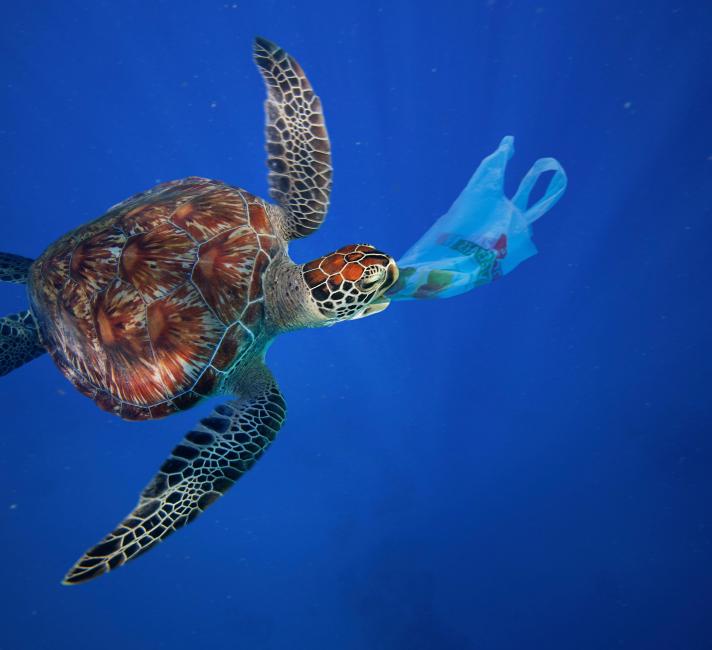
- Sea turtle by-catch reduced through dialogue and awareness activities with key national stakeholders
-
 © Paulo Oliveira / Alamy Stock Photo
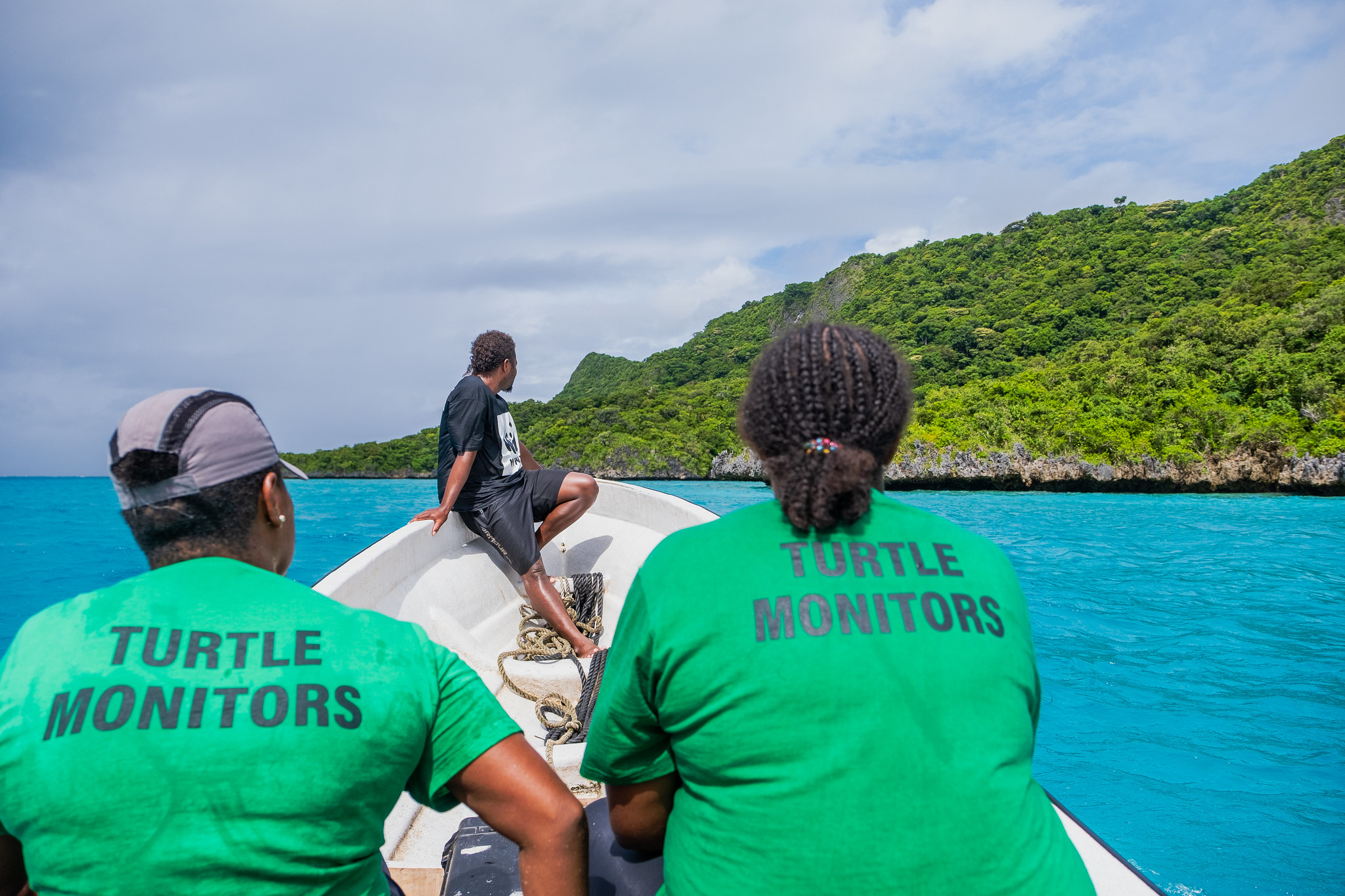
Community turtle monitors
WWF-Pacific’s Fiji office was instrumental in establishing a network of community turtle monitors, also known as “Daunivonus” in 2010. Since then, awareness on the need to protect marine turtles and relevant laws and policies has increased alongside increased efforts to better protect nesting sites and reduce harvesting of turtles and their accidental capture during fishing.