
The Amazon
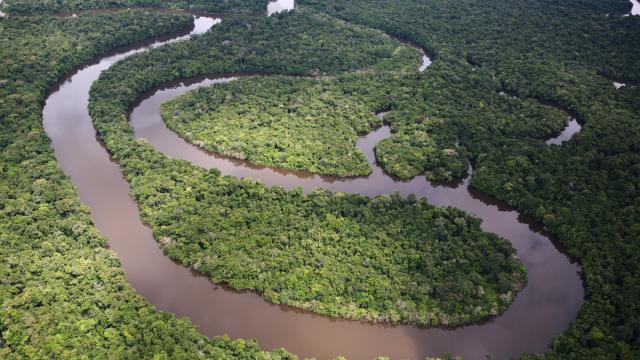
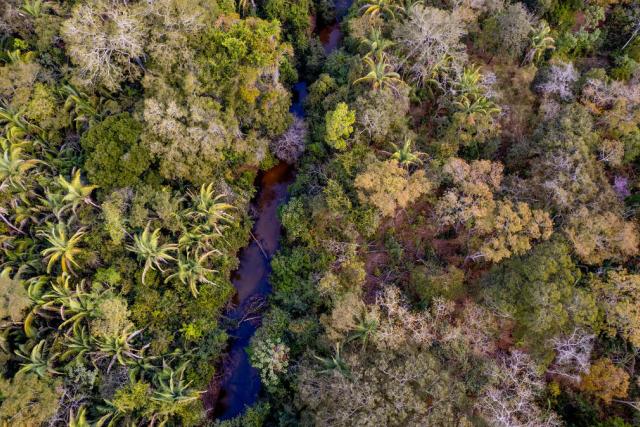
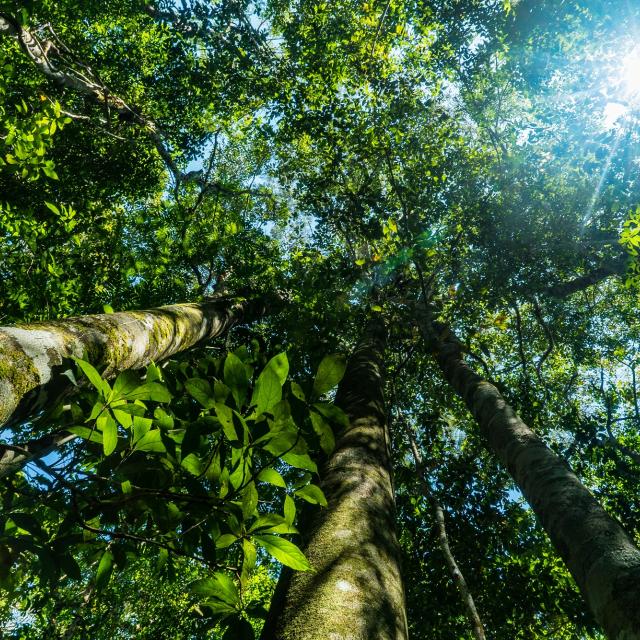
Nearly a third of the world's remaining tropical rainforest is found in the Amazon, making it vital to life on Earth. Scientists warn it is approaching a critical tipping point, but there is still time to protect this extraordinary ecosystem and the climate, wildlife and communities that depend on it.
About the Amazon and why it's so important
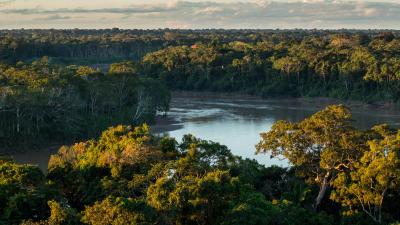
The Amazon covers just 1% of the planet’s surface, yet it is home to 10% of all known wildlife species, and countless more waiting to be discovered. On average, a 'new' species is being discovered in the Amazon every other day.
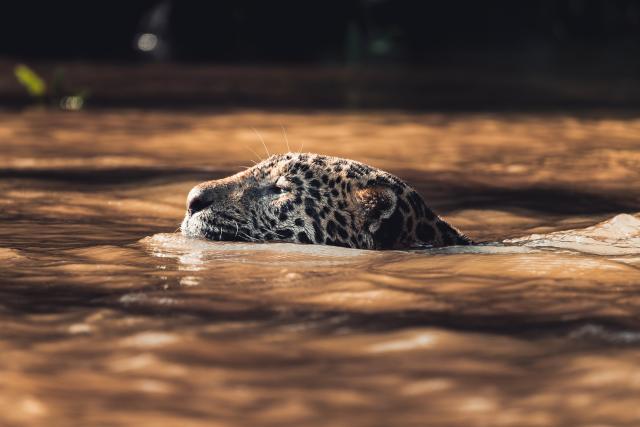
But as the forest is being destroyed at record speed, we risk losing species before we ever knew they existed. One thing we know for certain - this is the jaguar's last true stronghold - more than 70% of the world's jaguars live here, making the Amazon central to the species’ long-term survival.
The Amazon is of vital importance. People around the world depend on it, not just for food, water, and medicine, but to help stabilise the climate. 150-200 billion tonnes of carbon is stored in the Amazon. Its trees also release 20 billion tonnes of water into the atmosphere every day, playing a critical role in global and regional carbon and water cycles.

Indigenous peoples - guardians of the Amazon
Around 47 million people live in the Amazon, including nearly 2.2 million Indigenous peoples, speaking around 300 different languages. Humans have inhabited the Amazon for around 14,000 years - before the last Ice Age and before people permanently settled in the UK. [1] To fully understand what’s happening in the Amazon, we must listen to Indigenous peoples. They are the guardians of the rainforest and have invaluable knowledge that can protect and restore nature for generations to come.
Key facts about the Amazon
How big is the Amazon rainforest?
Around seven million square kilometres, spanning eight countries and one overseas territory. Representing an area twice the size of India, it is roughly 29 times the size of the UK. [2]
Where is the Amazon rainforest?
How old is the Amazon rainforest?
The Amazon rainforest as we know it today is believed to have formed around 60 million years ago. Before then, 66 million years ago, a large asteroid hit Earth, causing mass extinctions including of the dinosaurs. When species diversity recovered, new ecosystems emerged including South American rainforests like the Amazon. [3], [4], [5]
How many trees are in the Amazon rainforest?
The Amazon rainforest is estimated to contain nearly 400 billion individual trees. These trees belong to approximately 16,000 different species. Despite this high diversity, a small group of only 227 "hyperdominant" species makes up half of the total tree population. [6]
What is the climate of the Amazon rainforest?
The Amazon rainforest has a hot, humid, and wet tropical climate year-round, with average temperatures around 24-26 degrees centigrade. Rainfall is heavy, often exceeding 2 metres annually, with no distinct dry season, though a "less wet" period occurs from June to November. High humidity (often >80%) and daily afternoon showers are typical.[2]
Is the Amazon rainforest fully explored?
Despite centuries of study, vast, dense, and often dangerous areas remain unvisited by modern science, particularly in remote regions like the Vale do Javari (Javari Valley) in Brazil. It is exceptionally biodiverse and many species of plants and animals here remain undiscovered as entry is highly restricted. Thought to be home to the world’s largest concentration of Indigenous peoples living in isolation, there are at least 16 different isolated groups. Little is known of their language or customs. [7]
How many species of primates live in the Amazon rainforest?
The Amazon has more species of primate than anywhere else on Earth, with 134 species recorded so far - although more are regularly being discovered by scientists. That means the Amazon is home to around 25% of the world's primate species. [8]
Does the Amazon river have snakes?
Yes, the Amazon River is home to several snake species, most notably the semi-aquatic Green Anaconda (Eunectes murinus), which is the world's largest and heaviest snake. These, along with other species like the Rainbow Boa, hunt fish, turtles, and mammals in the river's slow-moving waters. [9]
Is the Amazon rainforest in danger?
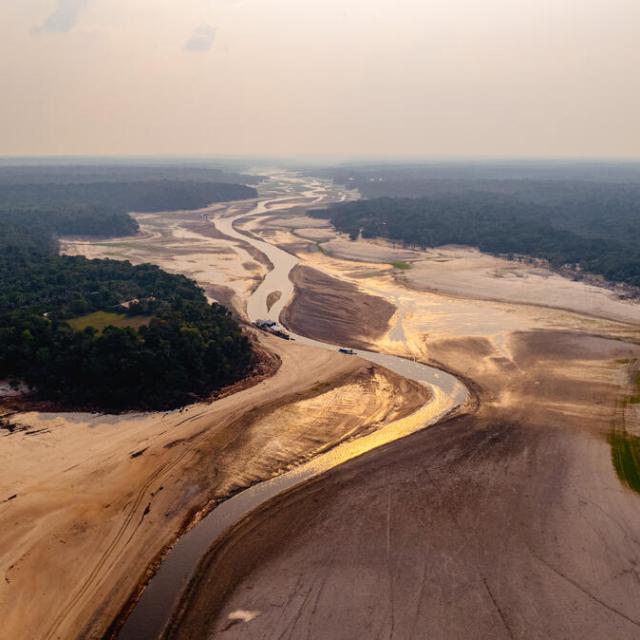
Yes, the Amazon rainforest is in grave danger and approaching a "tipping point" where it could irreversibly transition into a much drier and degraded ecosystem. By 2050, up to almost half of the Amazon could be exposed to multiple overlapping threats, including forest loss, fires and climate stress. If these pressures continue, parts of the rainforest may be pushed beyond their ability to recover, with serious consequences for both nature and the climate. [10]
How much of the Amazon rainforest is left?
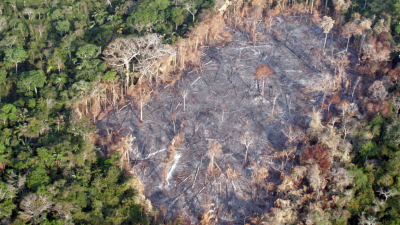
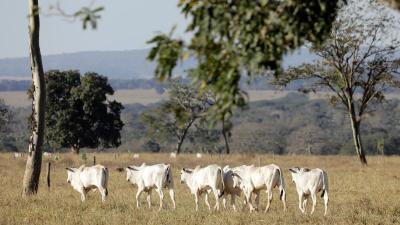
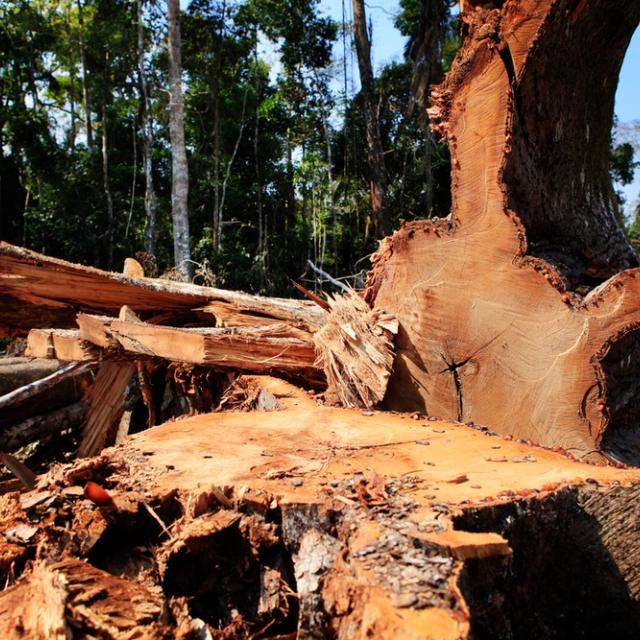
Around 18% of the Amazon has already been cleared for other uses, mainly cattle ranching. Another 17% has been degraded by fire, unsustainable logging, and the growing fragmentation of the forest. Some scientists estimate if 22 - 28% of the Amazon is deforested, in combination with global warming, a tipping point could be triggered that would lead the majority of Amazon rainforest to collapse. [11]
What happens if the Amazon rainforest is destroyed?
The Amazon plays a critical role in our global climate system, acting like a giant air-conditioner, lowering land surface temperatures and generating rainfall. Losing it would impact economies, food security, water availability, and human well-being around the world. For example, trees in the Amazon supply one third of rainfall during the growing season in Brazil. Without this water supply, yields are lowered in Brazil's agricultural heartlands, one of the world's breadbaskets, which would push up food prices locally and globally. [12]
Wildlife that lives in the Amazon
Here are some examples of the incredible animals that call the Amazon home:
-
 © Aline Santana da Hora / WWF-Brazil
Jaguars
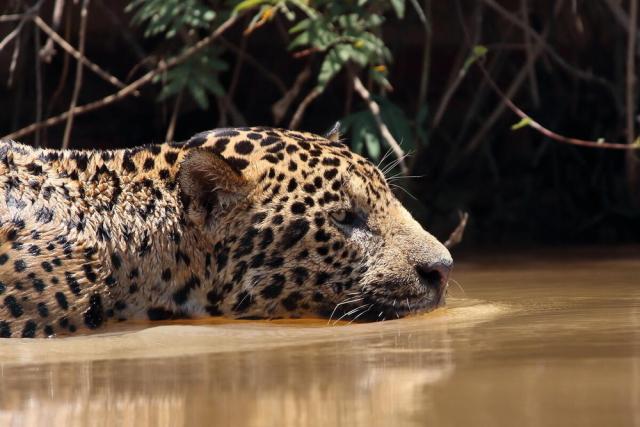
MoreClose The jaguar is one of the Amazon’s most iconic species, but its future is under increasing threat. Classified as Near Threatened, jaguar populations are declining, with an estimated 173,000 individuals remaining in the wild. These powerful big cats inhabit a range of environments, from mangrove swamps to humid rainforests and misty cloud forests. The Amazon rainforest is their stronghold, home to around 76% of the world’s jaguars.
Jaguars are remarkable hunters with an incredibly varied diet, feeding on more than 85 different species, including capybaras, deer, monkeys, armadillos, iguanas, snakes and even fish. But their importance extends far beyond their role as predators. As the largest big cat in the Americas, jaguars help maintain the delicate balance of the ecosystems they call home. By regulating prey numbers, they support healthy populations and contribute to thriving forests, rivers and wetlands. Protecting jaguars means protecting the rich biodiversity and natural habitats on which countless other species and people depend.
-
 © WWF-US/Abel Valdivia
Sloths
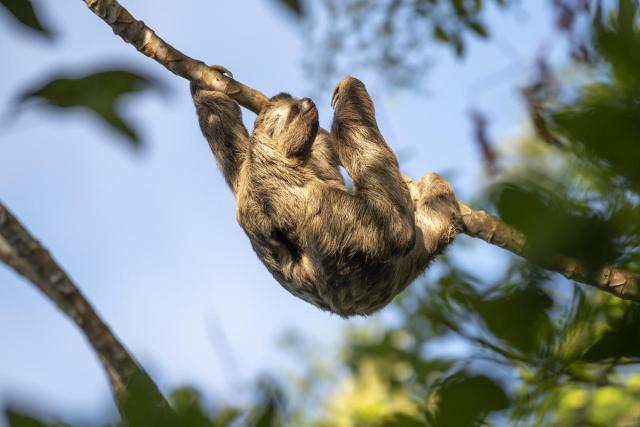
MoreClose Sloths can be found dwelling high in the trees of forests in the Amazon. There are two different types of sloth, two-toed and three-toed, and six species; the Amazon is home to four of them. Like koalas, sloths eat leaves and move very slowly because their diet is so hard to digest. In fact, sloths are thought to be the slowest moving mammal – it is no coincidence that the name for a sloth in many different languages means ‘slow’.
Sloths are an integral part of the Amazonian ecosystem, acting as prey for species like jaguars, harpy eagles and ocelots. Sloths rely on a continuous rainforest canopy for survival as they are physically unable to traverse big gaps between trees, and so have been used as an indicator of how well the forest is connected.
Ten thousand years ago the Amazon was home to a species of giant sloth called the Megatherium, which was about the size of an Asian elephant. In 2010 scientists discovered for the first time giant tunnels they used to live in in the Brazilian Amazon. We must ensure that today’s sloths don’t go extinct like the Megatherium due to their shrinking habitat, by ensuring they have a healthy, well-connected forest.
-
 © WWF-Brazil / Zig Koch
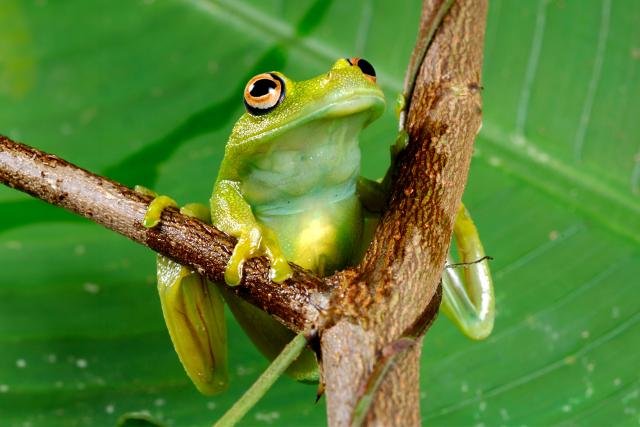
Frogs
MoreClose The Amazon rainforest is home to an extraordinary diversity of frogs, with over 1,000 species recorded across the basin. From tiny, brightly coloured poison dart frogs to well-camouflaged leaf frogs, these amphibians play a crucial role as both predators of insects and prey for larger animals.
However, many Amazonian frog species are under threat from habitat loss, climate change, pollution, and diseases. Their sensitivity to environmental change makes them important indicators of ecosystem health and highlights the urgency of protecting their habitats.
-
 © WWF / Carlos DREWS
Piranhas
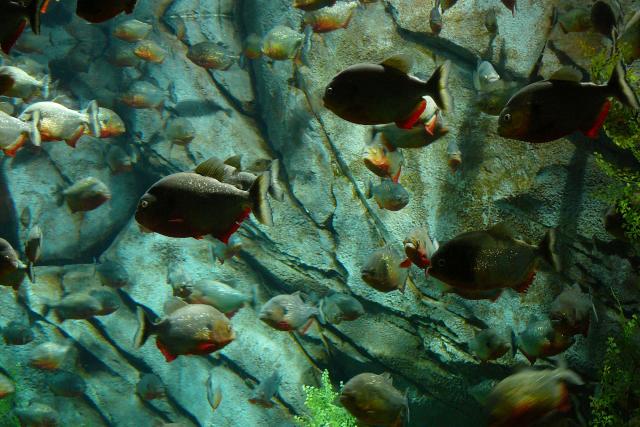
MoreClose There are around 20-30 species of piranhas found in the Amazon and surrounding river systems, though exact numbers vary as scientists continue to classify them. Often misunderstood as fearsome predators, most are opportunistic feeders that help maintain healthy aquatic ecosystems by consuming fish, insects, and carrion. Piranhas face increasing pressures from overfishing, habitat degradation, and water pollution, which threaten the rivers they depend on.
-
 © Jaime Rojo / WWF-UK
River Dolphins
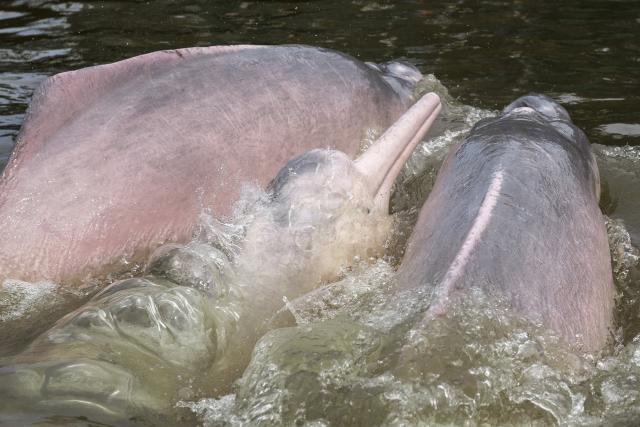
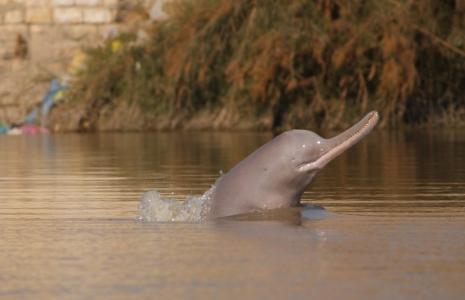
MoreClose The Amazon’s rivers are home to two remarkable dolphin species: the iconic pink river dolphin (Inia geoffrensis) and the playful Tucuxi (Sotalia fluviatilis). Once common across much of the basin, both now face an uncertain future. Pollution, dams and fishing-related threats are pushing populations into decline, placing the Amazon river dolphin among the world's Endangered species.
These dolphins are more than just charismatic wildlife - they are symbols of healthy rivers. Their survival depends on clean, connected waterways that sustain both nature and people. By protecting the Amazon’s freshwater ecosystems, we can help ensure these unique dolphins continue to thrive in the rivers they have called home for millions of years.
-
 © Chris J Ratcliffe / WWF-UK
Monkeys
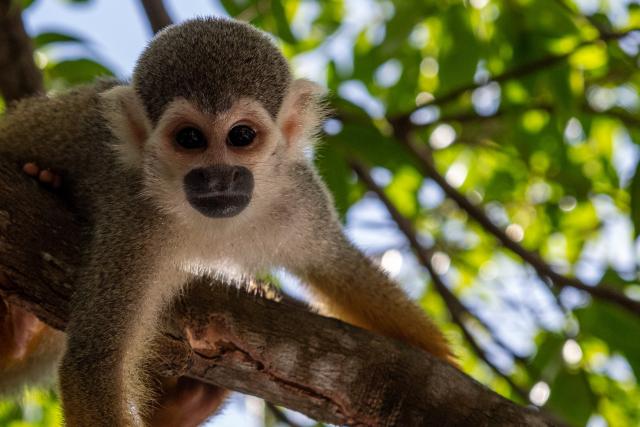
MoreClose The Amazon is one of the world’s richest regions for primates, estimated to host 134 monkey species. These range from small marmosets and tamarins to larger species such as howler and spider monkeys. Monkeys play a vital role in seed dispersal, helping to regenerate and maintain the forest. However, deforestation, hunting, and the illegal wildlife trade are placing many species at risk, with several now classified as Vulnerable or Endangered.
-
 © WWF-US/Luis Bernardo Cano
Hoatzins
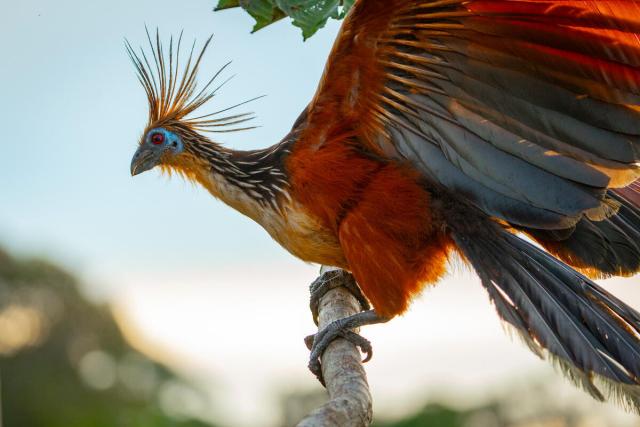
MoreClose The hoatzin is one of the strangest and most unique species found in the Amazon and surrounding wetlands. This bird is known for its prehistoric, dinosaur-like appearance and unusual leaf-fermenting digestive system which makes it smell dreadful! It lives along slow-moving rivers and swampy areas, and although the species is not currently extremely threatened, its dependence on wetland habitats means it is vulnerable to issues resulting in drainage, pollution, and habitat alteration.
-
 © Day's Edge Productions / WWF-US
Macaws
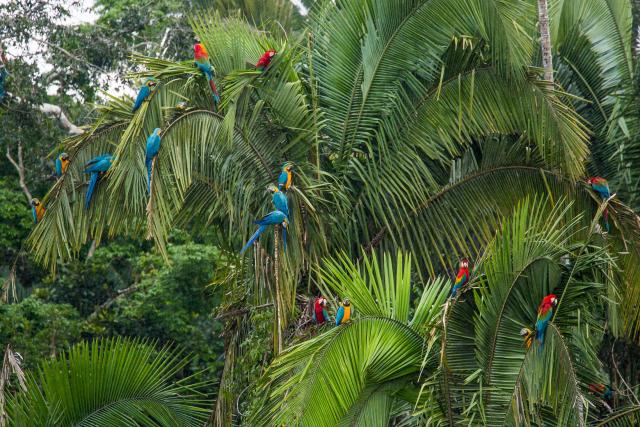
MoreClose There are at least 17 species of macaws, many of which live in the Amazon region, including some of the most iconic parrots in the world. These large, colourful birds are highly social and play an important role in seed dispersal. Sadly, several macaw species are under significant threat from deforestation and the illegal pet trade, with some classified as Vulnerable, Endangered, or even Critically Endangered. Protecting forests and combating wildlife trafficking are essential to securing their future.
-
 © WWF-Brazil / Zig Koch
Amazon tree boas
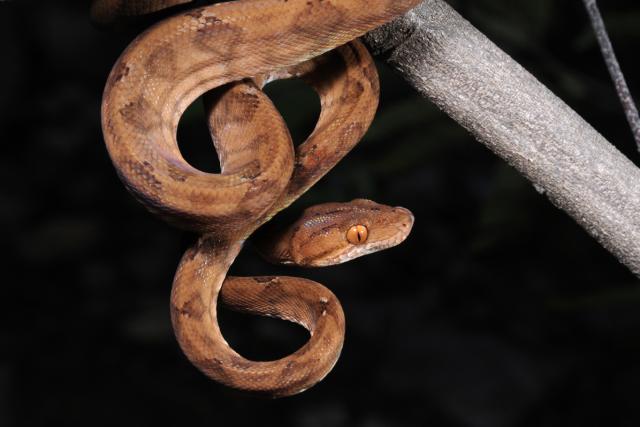
MoreClose Amazon tree boas are striking, nocturnal snakes spending much of their lives in trees, acting as ambush predators that help control populations of birds, rodents, and other small animals. Adults grow to a size of approximately 1.5-2 metres. While not currently considered highly threatened overall (listed as Least Concern), they are at risk due to habitat destruction and illegal collection for the pet trade.
/
-
 © Lucas Bustamante / naturepl.com / WWF
 -
 © Juvenal Pereira
 -
 © Suzie Hubbard / WWF-UK
 -
 © Day's Edge Productions / WWF-US
How we're helping the Amazon
The Amazon is under siege like never before. Deforestation and fires remain dangerously high, and protected areas and Indigenous lands face increasing threats. It needs our help more than ever - because we can’t tackle the climate crisis without the Amazon.
The solutions for protecting the Amazon are clear: protect standing forests, help bring degraded areas to life, and work hand in hand with Indigenous Peoples and local communities who call it home.
-
 © Rodolfo Paz
Identifying priority wildlife areas
MoreClose Two keystone species of the Amazon - the jaguar and the river dolphin - roam vast ranges, that cross many country borders, so protecting them means protecting connected habitats across those borders too. Conservation planning for terrestrial and freshwater ecosystems is usually done separately.
An innovative WWF-led study broke this silo. By mapping where jaguars and river dolphins both need protected habitat, we've identified 17% of the river basin where conservation will have the biggest impact - and where new dams or roads should never go.
Preserving habitats and connectivity protects biodiversity, economic opportunity, and the Amazon’s global climate-regulating role.
-
 © Pí Suruí / WWF-Brazil
Preparing for a hotter, drier future
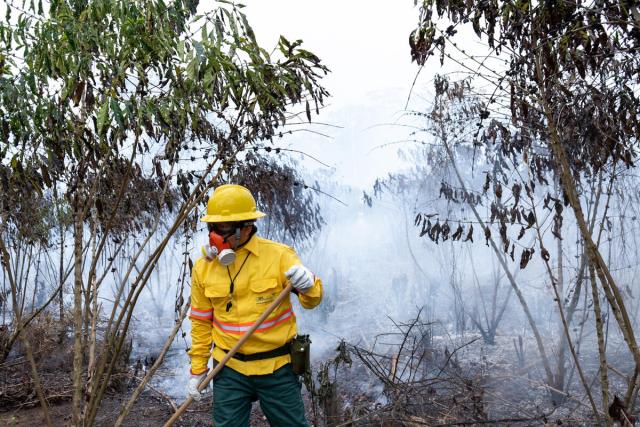
MoreClose As climate change, deforestation and El Niño threaten the rainforest and the millions of people and animals that call it home, WWF is preparing for the challenge, holding close the knowledge that although we cannot stop El Niño, we can prepare to act - to reduce its most serious and devastating impacts.
Prevention and preparedness work includes using technology such as Forest Foresight and MapBiomas to predict and monitor fire and drought risk, supporting Indigenous and local community fire brigades with training and equipment, developing Amazon-specific firefighting techniques, and helping communities prepare for drought emergencies.
-
 © Andre Dib / WWF Brazil
The soy moratorium
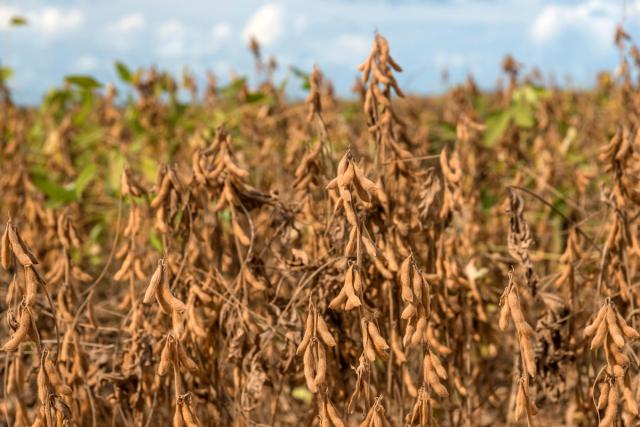
MoreClose The Amazon Soy Moratorium has helped protect millions of hectares of rainforest from soy-driven deforestation. Following the collapse of the agreement in 2026, new WWF-backed research shows why keeping strong protections in place is vital for the Amazon, its wildlife, people with global impacts.
-
 © Odair Leal WWF-Brazil
Forest surveillance
MoreClose Forest Foresight uses AI to predict and prevent illegal deforestation before it starts. By analysing data such as landscape features, population density, past forest cover and real-time satellite images, it can detect early warning signs like expanding roads and alert local authorities. This helps local stakeholders act sooner, protecting forests before irreversible damage is done.
/
How you can help the Amazon
5 ways to take action for climate
Climate recovery fund
Protect Amazon River Dolphins
We also recommend
-
 © Luis Barreto / WWF-UK
Top 10 facts about the Amazon
-
 © Jacqueline Lisboa WWF-Brazil
Global tipping points report
-
 © Greg Armfield / WWF-UK
10 myths about deforestation
-
 © ScotlandBigPicture.com/ WWF-UK
Top 5 facts about UK Woodlands
/
Sources
- Science panel for the Amazon, What is the Amazon and why is it important? https://www.sp-amazon.org/about-the-amazon
- Nature, Deforestation-induced drying lowers Amazon climate threshold, https://www.nature.com/articles/s41586-026-10456-0
- Nature, Critical transitions in the Amazon forest system, https://www.nature.com/articles/s41586-023-06970-0
- Science, Extinction at the end-Cretaceous and the origin of modern Neotropical rainforests, https://www.science.org/doi/10.1126/science.abf1969
- Amazon Assessment report, Chapter 2, Evolution of Amazonian biodiversity, https://eng-ar21.sp-amazon.org/211112%20AR21%20Chapter%2002%20%28English%29.pdf
- Science daily, Scientists estimate 16,000 tree species in the Amazon, https://www.sciencedaily.com/releases/2013/10/131017144538.htm
- IUCN / SSC Primate specialist group, http://www.primate-sg.org/primate_diversity_by_region/
- Amazon deforestation reduces precipitation and soybean yields across Southern Brazil, https://repository.kaust.edu.sa/bitstreams/c8a918d0-f274-4ec4-9381-a1e73ba8ec0f/download
- PNAS, Late Paleocene fossils from the Cerrejón Formation, Colombia, are the earliest record of Neotropical rainforest, https://www.pnas.org/doi/10.1073/pnas.0905130106
- RAISG, Uncontacted indigenous groups in the Amazon face threats in Peru and Brazil, says group, https://www.raisg.org/pt-br/radar/povos-nunca-contatados-da-amazonia-sofrem-ameacas-no-peru-e-no-brasil-diz-grupo-indigena/
- RAISG, Amazon numbers, https://www.raisg.org/en/infographic/
- livescience, never before seen footage, https://www.livescience.com/animals/snakes/never-before-seen-footage-captures-moment-scientists-find-new-giant-anaconda-species-in-amazon