
Climate change
Climate change is putting hundreds of millions of people’s lives at risks and threatening nature worldwide – from the poles to the tropics, from mountains to oceans. Many of the world’s biggest challenges, from poverty to wildlife extinction, are intensified by the climate crisis.
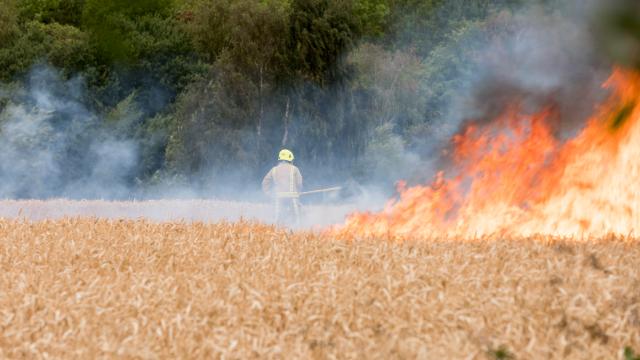
What is climate change?
Climate change is caused by accumulating greenhouse gases in our atmosphere, resulting in large-scale, long-term shifts in our planet’s weather patterns and an increase in the average temperature often referred to as 'global warming'.
Climate and weather are often confused. Weather refers to short-term changes in atmospheric conditions, while climate refers to changes over a much longer period. This is why we still experience cold, snowy days even though we are now facing a climate crisis.
The impact of climate change can be seen everywhere, from melting glaciers resulting in a global rise in sea level, to heavier rainstorms, more intense droughts, more frequent heatwaves, and other extreme weather events, threatening lives and nature across our planet.
The key points about climate change are summarised below:
-
 © Day's Edge Productions
It’s usually a natural occurrence
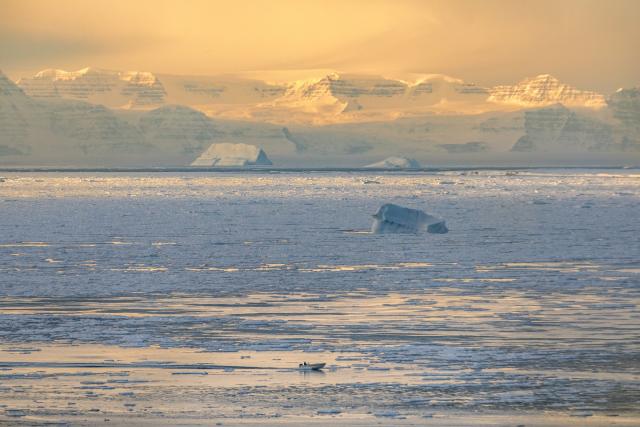
MoreClose The Earth’s climate has always changed over millennia because of natural processes, with temperatures rising and falling over thousands of years. This can be due to changes in the sun's activity or volcanic eruptions, for example.
-
 © James Morgan / WWF-UK
But not at the current rate
MoreClose Climate change is happening at a far faster rate than ever before. The current pace of global warming hasn’t been seen for over 200 million years, giving people and wildlife very little time to react and adapt.
-
 © Global Warming Images / WWF
It is caused by human activities
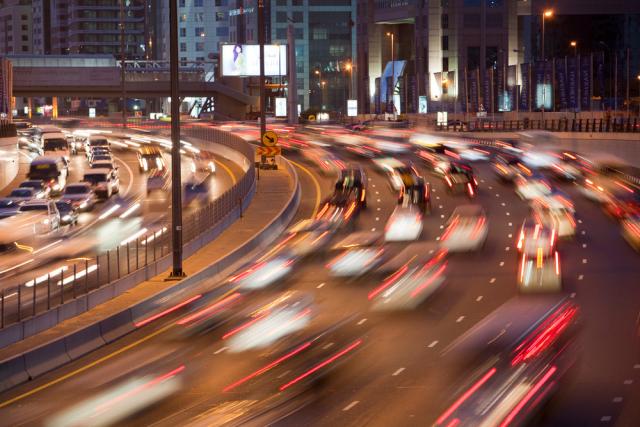
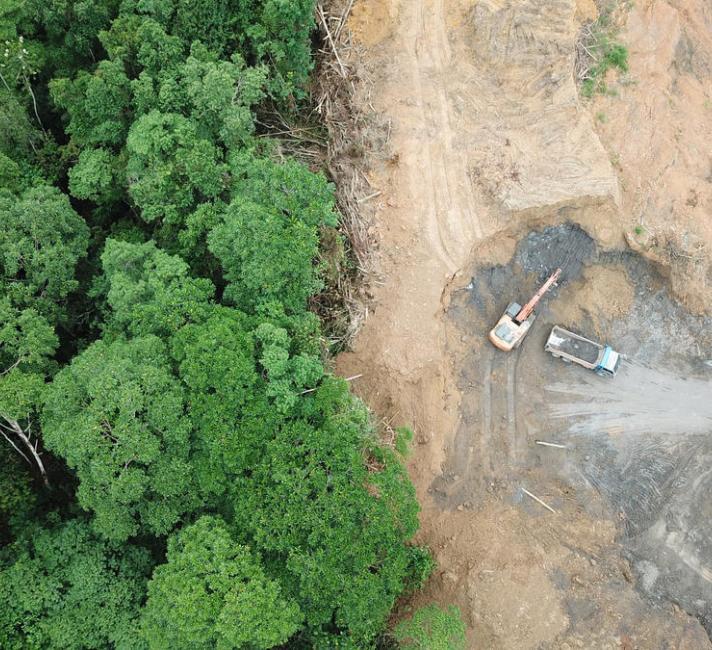
MoreClose The science is clear that the rate of global warming we are seeing today is caused by human activities, primarily due to excessive burning of fossil fuels since the industrial revolution (like coal, oil and gas), large-scale deforestation, and massively increased agricultural activities.
-
 © David Bebber / WWF-UK
It requires urgent and strong actions
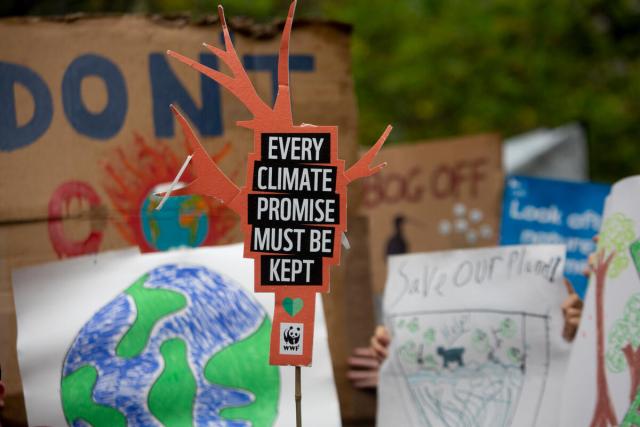
MoreClose In order to prevent the worst effects to people and wildlife all over the world we must act now.
/
Climate change terms explained
We know climate change can be a complicated topic with lots of buzzwords thrown around. So we have a compiled a list of words and phrases below to help demystify them.
-
 © Global Warming Images WWF
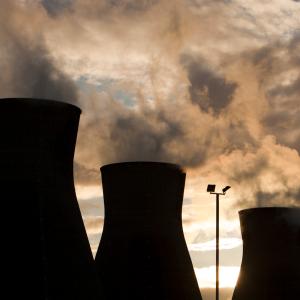
Global warming
Global warming refers to the rise in Earth’s temperature over a long period of time due to accumulating greenhouse gases in the atmosphere since the start of the Industrial Revolution.
-
 © Global Warming Images / WWF
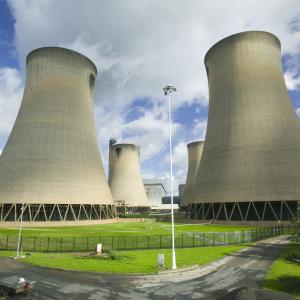
Greenhouse Gasses
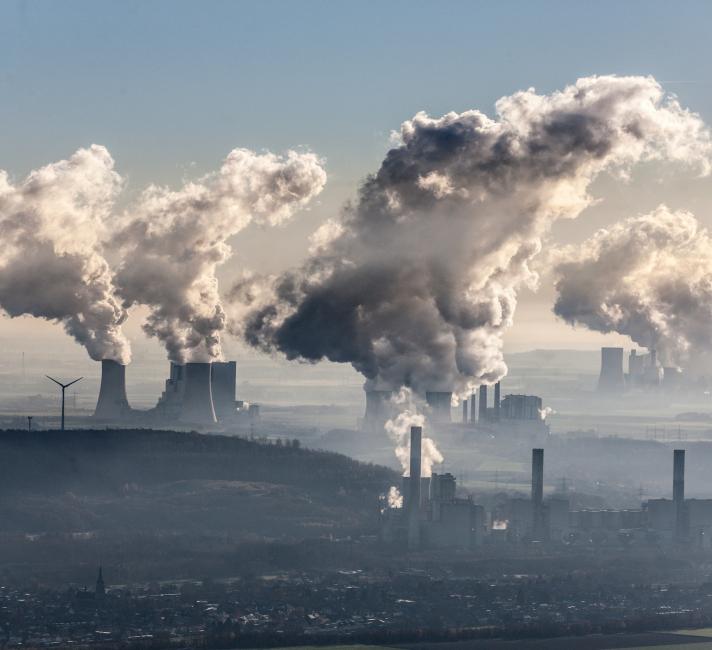
Greenhouse gases are gases in our Earth’s atmosphere that trap and retain some of the sun’s heat. This process is known as the ‘greenhouse effect’. In the right amount, they make life on Earth possible – without them, the world would be mostly frozen. However, too much is dangerous, as excess greenhouse gases trap too much heat and contribute to global warming.
-
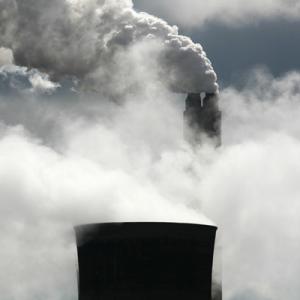
Carbon Dioxide
Carbon dioxide is a key greenhouse gas, because it accounts for the majority of greenhouse gases. It is essential for plant growth and is naturally released by all life forms when they breathe. However, it becomes problematic when there is too much in the atmosphere – most of this excess comes from burning fossil fuels.
-
 © Global Warming Images / WWF
Methane
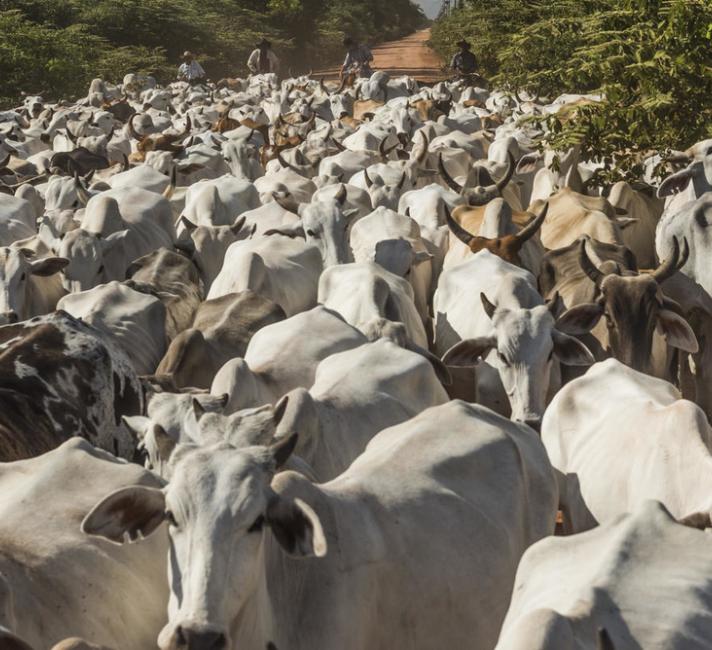
Methane is an important greenhouse gas because it can trap a lot more heat than carbon dioxide. It is mostly a by-product of cattle ranching and rice cultivation. Burning fossil fuels and landfills also releases methane.
-
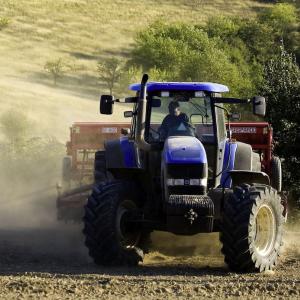
Nitrous Oxide
Nitrous oxide is an important greenhouse gas. While it accounts for a small proportion of greenhouse gases, it traps a huge amount of heat and stays in the atmosphere for a very long time. Most nitrous oxide is produced by farming and industrial activities.
-
 © Luis Barreto / WWF-UK
Carbon Cycle
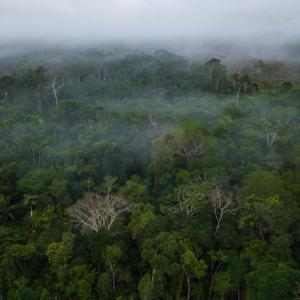
The carbon cycle is the natural process by which carbon gases are released and absorbed across the world. This determines the overall levels of carbon gases in the atmosphere.
-
 © WWF-UK
Net Zero
Reaching net zero means balancing the volume of greenhouse gases emitted into the atmosphere (for example, by burning fossil fuels) with the amount removed from the atmosphere (for example, by trees). To achieve net zero, the first thing we need to do is reduce our greenhouse gas emissions as much as possible, striving to get as close to zero emissions as we can. The remaining emissions can then be reabsorbed by carbon sink, such as forests and oceans. If we achieve this, in theory, we will no longer be contributing to the climate crisis.
-
 © James Morgan / WWF-US
Feedback effects
The impacts of climate change can fuel each other, triggering a cascade of irreversible effects. For example, because polar ice is white, it reflects heat and light from the sun away from the Earth and back into space; this is called the ‘albedo effect’. However, ice is now melting quicker than normal because of global warming and the burning of fossil fuels, meaning that more heat from the sun is being absorbed by the ocean (because it is dark) instead of being reflected back into space. This leads to warming oceans, which in turn is also melting the ice caps, while ocean acidification is harming and killing marine life. This creates a feedback loop and further worsens global warming.
-
 © Day's Edge Productions / WWF-US
Tipping points
A tipping point is a threshold which, once passed, results in large, irreversible and self-perpetuating changes in the climate system. This will have abrupt and dangerous impacts on humanity and life on Earth.
-
 © Brent Stirton / Getty Images / WWF-UK
Offshoring of greenhouse gases
Offshoring is a common challenge for holding emissions reduction targets accountable. Companies and countries often set emissions reduction targets that only include domestic emissions. This excludes emissions from imported goods, services, and international flights. By importing goods and services, emissions can be 'offshored' overseas, creating the illusion of reduced greenhouse gas emissions.
This is significant because many high-income countries rely on imports from lower-income countries. For example, while the UK has reduced domestic emissions in recent decades, around half of its related emissions occur outside its borders. [1]
-
 © Ian Cylkowski
Greenwashing
Greenwashing, also called the "green sheen", is another accountability challenge. It involves organisations, companies or countries making false, exaggerated, or misleading claims about their environmental practices, products, or policies to appear more eco-friendly than they are.
-
 © Tommy Ga-Ken Wan / WWF-UK
Climate Justice
Although climate change is a global crisis, its effects are not felt evenly around the world. The poorest, the Indigenous people (often important stewards of nature), and our future generations – those emitting the least greenhouse gases and the least responsible for the crisis – are often the most hard-hit by climate change.
-
 © Rick / Flickr
The Paris agreement
Adopted in 2015, the Paris Agreement is the world's most important international climate change treaty. It commits 195 signatory countries to limit warming to well below two degrees, preferably 1.5ºC, measured from pre-industrial levels to the year 2100.
/
Find a full A-Z glossary on climate change here.
-
 © Bernd Lauter / Greenpeace
 -
 © Andre Dib / WWF-Brazil
 -
 © Shutterstock / Rich Carey / WWF-Sweden
Discover more about commonly asked questions on climate change.
The effects of a temperature increase of over 1.5°C
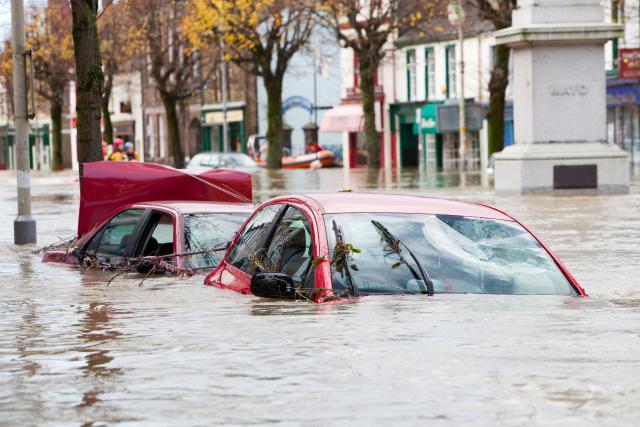
Since the Industrial Revolution, the planet has warmed by roughly 1.2°C. We are already seeing and experiencing the impacts of this warming in the news, with record breaking temperatures, heatwaves, floods, droughts and storms.
Extreme weather events, once rare, are becoming increasingly common and many are attributed to climate change caused by humans. Additional warming often increases the likelihood and severity of these events, endangering people’s lives and livelihoods, wildlife, and nature. While climate change is a global crisis, it often affects those most who are least responsible for greenhouse gas emissions, such as indigenous people and future generations.
Even more concerning, going beyond 1.5°C takes us into unknown territory. Scientists warn of devastating impacts or “tipping points” to our natural environments, and all of us who depend on them, which become much more likely at higher levels of warming. The longer we wait to act, the worse and more expensive it will become to protect and recover from these events.
Global solutions to climate change
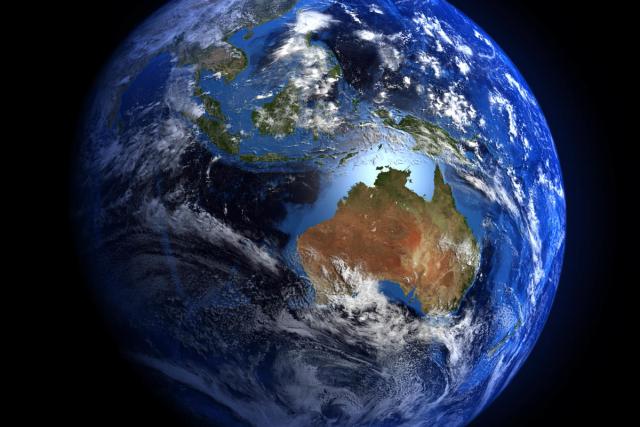
Every action we have taken so far has reduced the impacts of climate change and we should be proud of this. However, these steps have not been enough. Even if all governments acted on their current climate promises (and in many cases we are very far from meeting those promises!), we expect warming to exceed 1.5°C by the end of the century.
But there is hope. Each year, we learn more about the ways we can reduce emissions, restore nature, and work better together for a brighter future.
Today, we are at the stage where we know the solutions to tackle climate change. Advances in renewable energy, developments in low-carbon technologies, and improvements in our ability to restore and protect ecosystems are all making a difference already. It is now about ensuring our resources and efforts are in place to deliver the change our planet needs. Our actions over the next decade will decide the future ourselves and our children will live in.
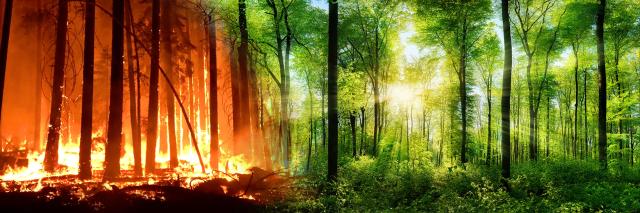
Take action for our world
We also recommend
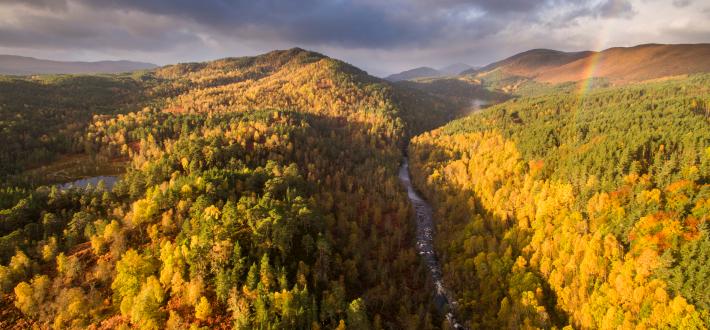
The UK and Climate change
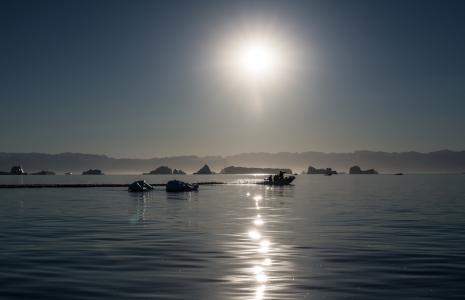
The effects of climate change
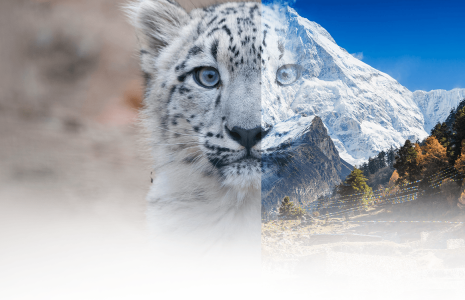
Solutions to climate change
Sources
[1] WWF-UK (2022) Carbon Footprint: Exploring the UK’s contribution to climate change. WWF-UK. https://www.wwf.org.uk/sites/default/files/2020-04/FINAL-WWF-UK_Carbon_Footprint_Analysis_Report_March_2020%20%28003%29.pdf
[2] Climate Action Tracker. The CAT Thermometer. https://climateactiontracker.org/global/cat-thermometer/
[3] Carbon Brief (2024) 'Every 0.1C’ of overshoot above 1.5C increases risk of crossing tipping points. https://www.carbonbrief.org/every-0-1c-of-overshoot-above-1-5c-increases-risk-of-crossing-tipping-points/