We answer your most common climate change questions
Our team of climate specialists answer some of your burning questions about climate change.
What is the difference between climate change and global warming?
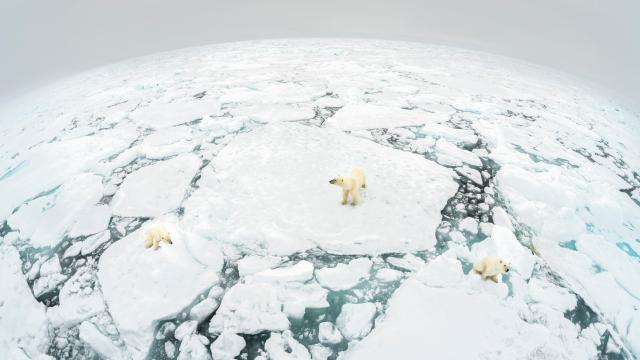
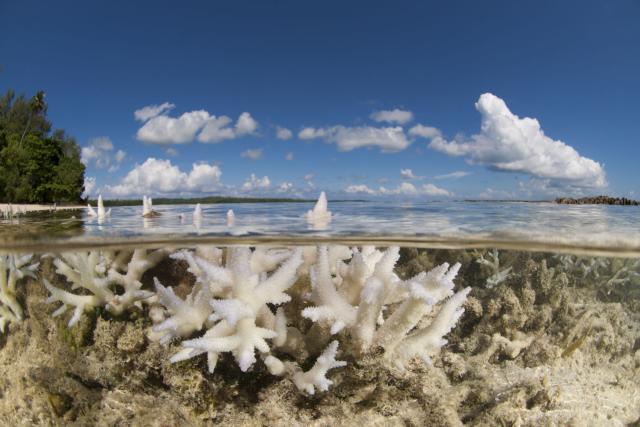
“Global warming” and “climate change” are terms used interchangeably, but they are different. Global warming refers to the long-term increase in global surface temperature. Climate change instead refers to the wide range of effects that are occurring as our planet responds to higher greenhouse gas emissions in the atmosphere. While global warming is one of these effects, climate change also refers to sea level rise, ocean acidification, changes to extreme weather events, and changing wind and rainfall patterns.
Is climate change real and caused by humans?
Climate change is undeniable. Whereas significant climate impacts were initially only observed in a few regions, impacts are now visible everywhere on Earth. We do not need complex science to understand that change is happening, especially when globally every one of the top ten warmest years on record have been since 2015.
The most recent global climate assessment (IPCC) says that it is unequivocal that human influence has warmed the atmosphere, oceans and land since pre-industrial times. This level of confidence is very rarely used, showing the level of certainty we have around this. Greenhouse gases emitted by humans have accumulated in our atmosphere. This has caused our atmosphere, oceans and land to warm, with the impacts felt worldwide.
Why is 1.5°C or 2°C so important?
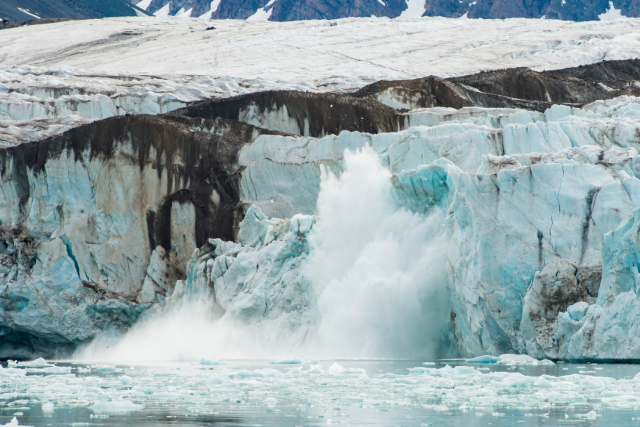
The terms “1.5°C” and “2°C” refer to the proposed average long-term surface temperature limits at the end of the 21st century. Let’s be clear. The world does not change overnight if either of these temperature limits are exceeded. However, we know that the higher the surface temperature gets, the more we become exposed to the most dangerous impacts of climate change. The most concerning of these are “tipping points”, which are irreversible and potentially catastrophic changes in natural systems that will drastically impact people and nature across the world.
As more scientific evidence has become available, it has become increasingly obvious that above 1.5°C, the chances of the most dangerous impacts become increasingly likely, hence communities across the world have rallied around this temperature goal in particular. In 2015, almost 200 countries signed the Paris Agreement at the UN Climate Change Conference COP21, which committed to "pursue efforts" to limit global temperature rises to 1.5°C, and to keep them "well below" 2°C above those recorded in pre-industrial times.
Whilst these limits are important politically, the story is much simpler for everyone who is exposed to climate change impacts. The higher temperature gets, and the longer this temperature remains high, the more we risk losing.
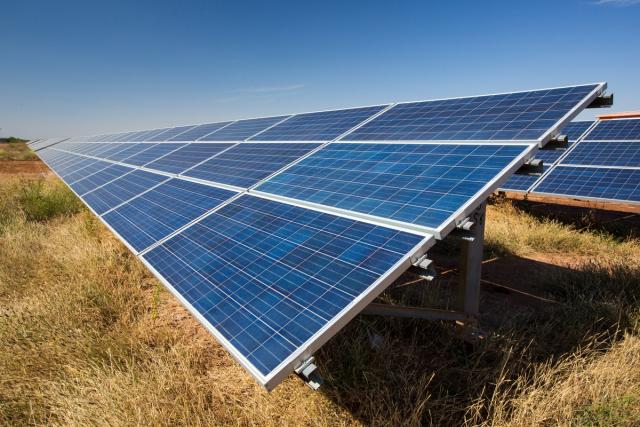
Can we realistically save the world from climate change?
Sadly, climate change has already impacted people and species across the world, and it will continue to do so. Does that mean it is a lost cause? Absolutely not. We can save people, communities, and nature if we act now, and we act fast.
Limiting warming to 1.5°C by the end of the century is still possible – but it needs international co-operation to make deep, fast cuts to greenhouse gas emissions. It’s urgent!
What will happen if climate change carries on at the current rate?
There is unfortunately no crystal ball to predict the future. We rely on climate models, which project there to be higher temperatures, more extreme weather events, widespread species loss, water scarcity, further melting of ice sheets and glaciers, and widespread economic losses, among numerous other impacts. The story gets more complicated when you factor in potential “tipping points” in natural systems, which throw all sorts of uncertainty into the mix. We can confidently say that doing nothing will make the world a considerably worse place for humans and nature in 100 years, and that things get worse for every action we don’t take.
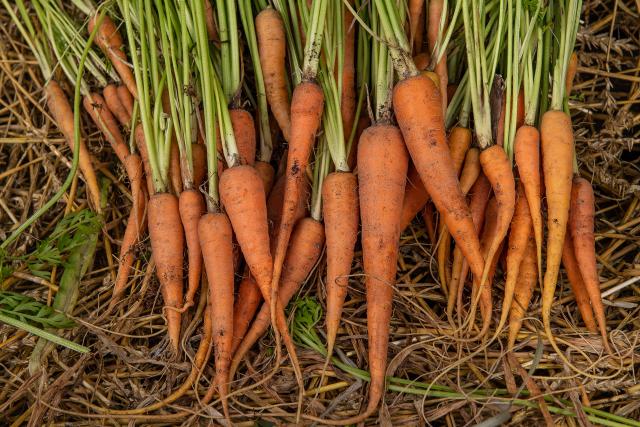
Can vegetarianism have a positive effect on climate change?
Yes. 60% of mammals on Earth are livestock and 70% of birds are chicken/poultry. Farming livestock uses huge amounts of water and land to graze and feed them, which causes loss of carbon-storing forests. Livestock – particularly cattle – also emit methane, a very powerful greenhouse gas. Eating less/no meat helps reduce the demand.
How does plastic pollution affect climate change?
There are two main ways plastic pollution affects the environment. Firstly, plastic is made with oil, accounting for about 8% of global oil use. This helps to drive demand for fossil fuel companies to continue oil exploration and extraction. When plastics degrade or are incinerated rather than recycled, they also release greenhouse gases which drive climate change. Secondly, plastic pollution damages marine animals and seabirds which eat it or become trapped in it, with plastic debris estimates to cause the deaths of more than a million seabirds each year. This is why the UN is working to develop a Global Plastics Treaty.
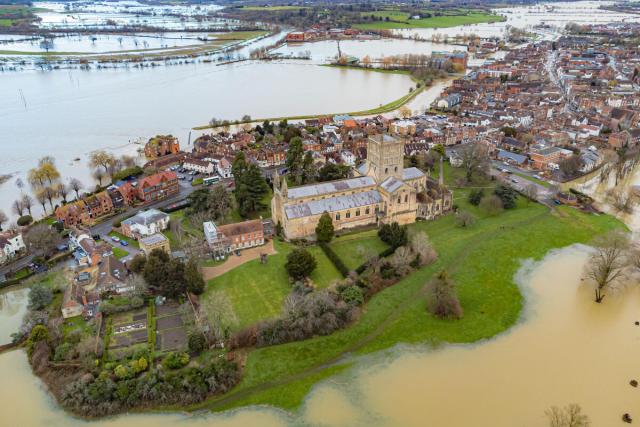
Is tackling climate change financially worth it?
The impacts of climate change are already affecting our day-to-day life. Extreme weather events at home and overseas is hiking up the price of some foods and flooding is affecting our homes and communities. Experts suggest that damages could reach 8% of the UK economy by the 2070’s if we do not limit global warming. [1]
Investing in tackling climate change is the best investment for ours and our children’s future. For every £1 spent on tackling climate change, we receive between double to quadruple that value in cleaner air, avoided impacts, and better health. Investing in clean energy and low carbon technologies also reduces our exposure to the fossil fuel price spikes which are constantly hitting the headlines and our pockets. The cost of even one of these price spikes is enough to meet the cost of our journey to Net Zero by 2050! [2]
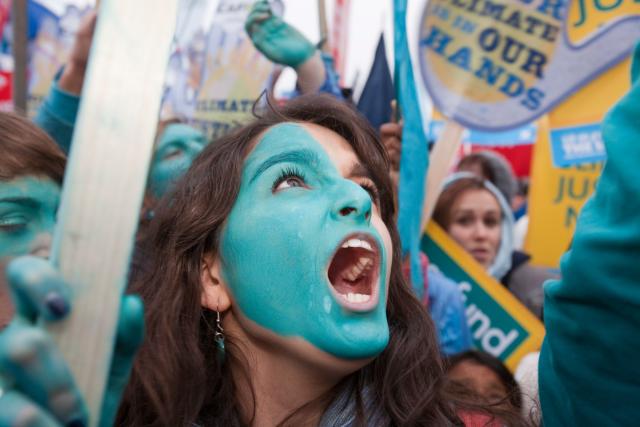
What is the UK government doing at the moment?
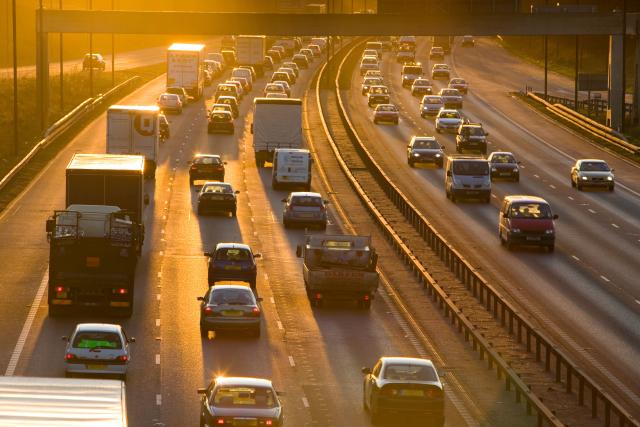
- The UK is already halfway to net zero. In 2024, the UK reduced its domestic emissions by 50.4% compared to 1990 levels and has largely met its carbon budgets so far.
- This emissions decrease has been driven largely by decarbonising the electricity sector. In 2024, coal was completely phased out of the energy supply, and renewable energy is now contributing more and more to the total electricity supply.
- The UK government submitted an ambitious climate plan to the UN, known as a Nationally Determined Contribution (NDC), to cut greenhouse gas emissions by 81% by 2035.The Zero Emissions Vehicle (ZEV) mandate and increased EV support is helping to support a transition towards electric vehicles.
- There have been increases in tree planting and peatland restoration, but there’s a lot more to do.
Where could the UK government do more?
The UK government needs to ensure that the policies which are delivering emissions savings are also benefiting households without worsening inequality. Our recent Pounds in Pockets report provides examples of cost-effective climate and nature policies which the UK government could adopt.
We also need to manage our global footprint, which extends well beyond UK shores. International climate finance is integral to limiting warming to 1.5°C, and we cannot continue to slash these valuable funds. We also need to ensure that imports to the UK are not linked to deforestation.
We need to be well-adapted to climate impacts in the UK, something which has historically been lacking. [3] Embracing nature-based solutions can provide benefits for climate, nature, and people.
How would you advise we educate ourselves further on climate change?
There are so many good resources out there to help educate us on climate change. Websites like CarbonBrief give lots of in-depth analysis and helpful explainers about some of the basic concepts, and Business Green has some great writing about climate change and energy. National Geographic is also a really good source for climate change and associated environmental issues. Naomi Klein’s book - This Changes Everything is a passionate polemic about the causes and what we need to do. You can also watch Our Planet on Netflix which WWF worked on. There are some fantastic experts on social media who will keep you up to date – follow Simon Clark, Michael Mann, Kate Marvel, Katherine Hayhoe and Ed Hawkins on X or Instagram.
Unfortunately, while there are a lot of good resources out there from reputable sources, there is also a lot of climate misinformation out there. When reading about climate change, it is important to critically think about who is providing that information and why? Some resources such as Carbon. Brief provide valuable fact-checking information to deconstruct some of these myths but if you are ever in doubt, check with reputable and well-trusted sources of information, such as the Met Office or IPCC reports.
What can I do to help?
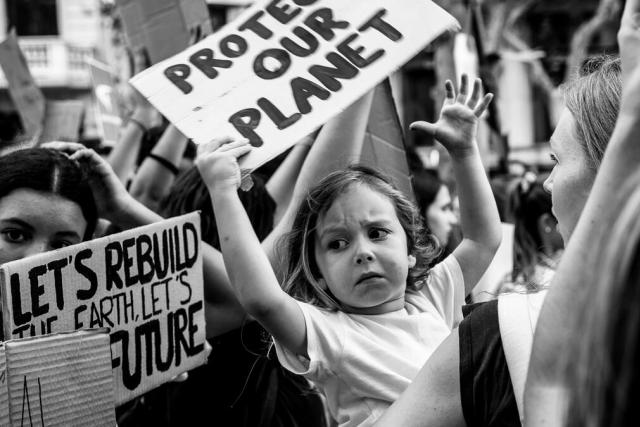
We can all take personal actions to tackling climate change by lowering our carbon footprint. There are many ways to do this. Individual actions such as driving less, insulating your home, ensuring your investing in sustainable pensions, or switching to a renewable energy tariff add up to make a real difference. You can find out more tips in our My footprint app.
To be a part of bigger systems change, you can become a WWF supporter, engage your local MP on important environmental issues, and play your part in the environmental community by participating in events like Earth Hour, London Climate Action Week, and The Climate Coalition’s Big Green Week.
Sources
- Office for budget responsibility, Fiscal risks and sustainability – July 2025, https://obr.uk/frs/fiscal-risks-and-sustainability-july-2025/
- Climate change committee (CCC), Cost of Net Zero by 2050 less than a single fossil fuel price shock, https://www.theccc.org.uk/2026/03/11/cost-of-net-zero-by-2050-less-than-a-single-fossil-fuel-price-shock-ccc/
- Climate change committee (CCC), Progress in adapting to climate change: 2025 report to Parliament, https://www.theccc.org.uk/publication/progress-in-adapting-to-climate-change-2025/