
The winter Olympians of the natural world
Accurate at time of publication: 16 February 2026
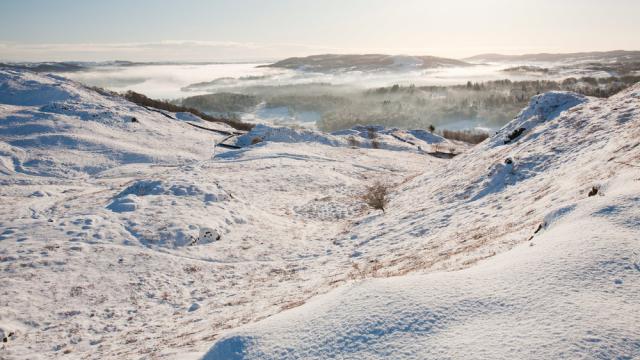
Right now, people are pausing to marvel at the speed, power and gravity-defying skill of some of the world's finest winter Olympic athletes. But out in the wild, another set of competitors has been perfecting their icy-weather performance for millennia.
Long before humans trained hard in sporting activities, creatures have been turning frozen landscapes into their own natural arenas. From hares that sprint across snowdrifts as fast as any downhill racer, to penguins whose slide-and-glide technique would impress any bobsleigh team, these are the unsung animal athletes whose survival depends on podium-worthy performances every single day.
WWF welcomes people to step into the wild winter arena and meet the athletes whose success is measured not in medals, but in survival.
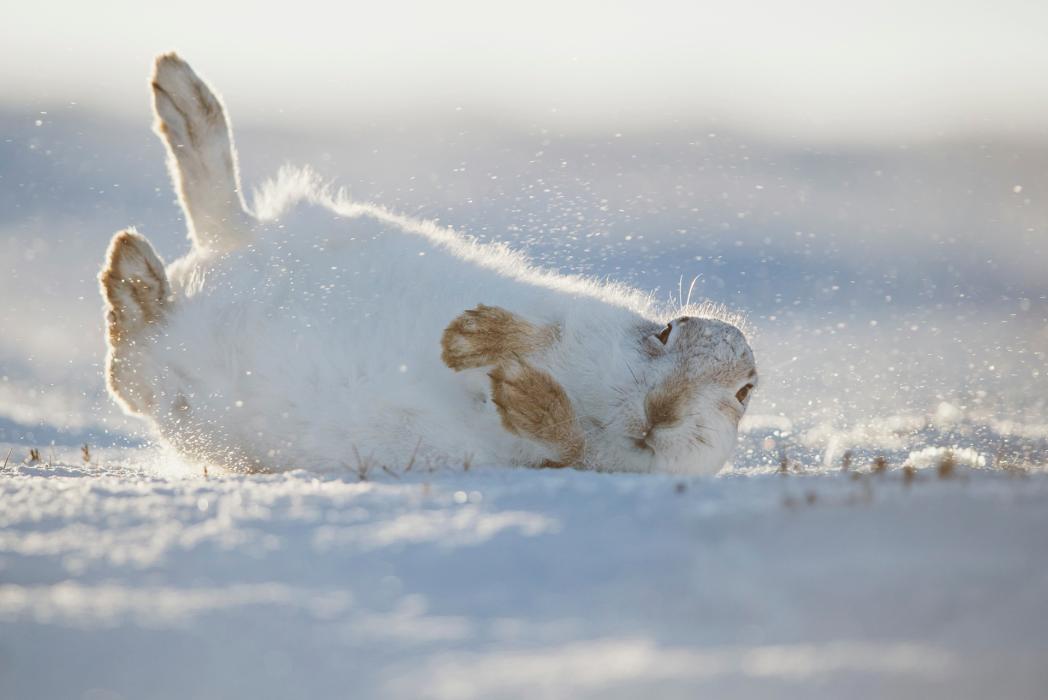
Slopestyle: Mountain hare
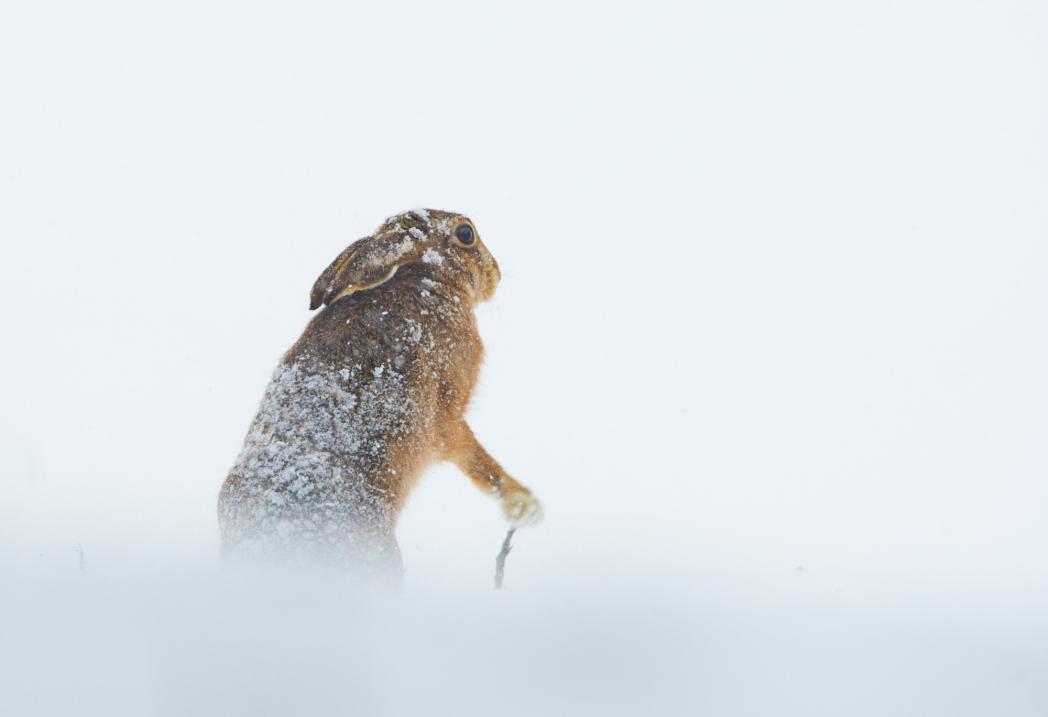
The mountain hare has been performing its own freestyle masterclass long before the first man-made ski ever hit powder. Clad in its seasonal white camouflage, this ultimate slopestyle specialist bounds across snowfields with explosive leaps up to 40 miles (64km) per hour.[1] Its spring-loaded hind legs deliver enviable lift-off power, sailing over drifts and outcrops.
While athletes refine their balance on rails, the hare handles icy terrain with playful precision - weaving through heather, zig-zagging across slopes to outmanoeuvre predators with instinctive agility.
Like the slope stars of the human world, mountain hares show great artistry and athleticism, only they perform under much tougher criteria: survival. In deep snow, freezing winds, and avoiding hungry pursuers, its acrobatics aren't just for show - they're its gold-medal advantage.
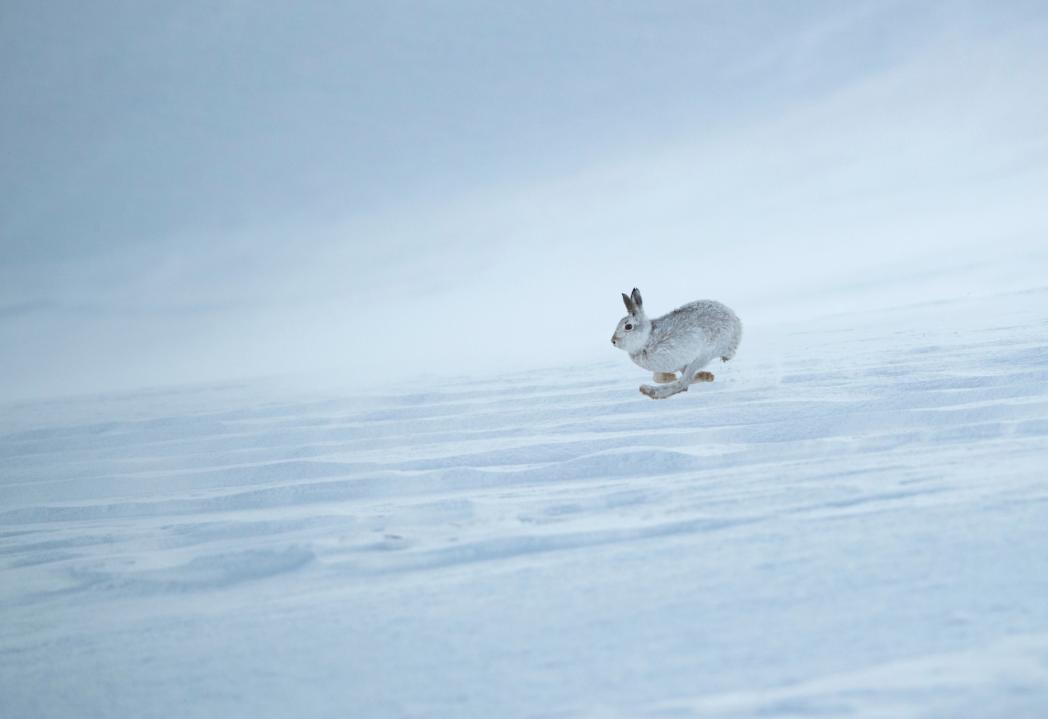
Figure skating: Arctic fox
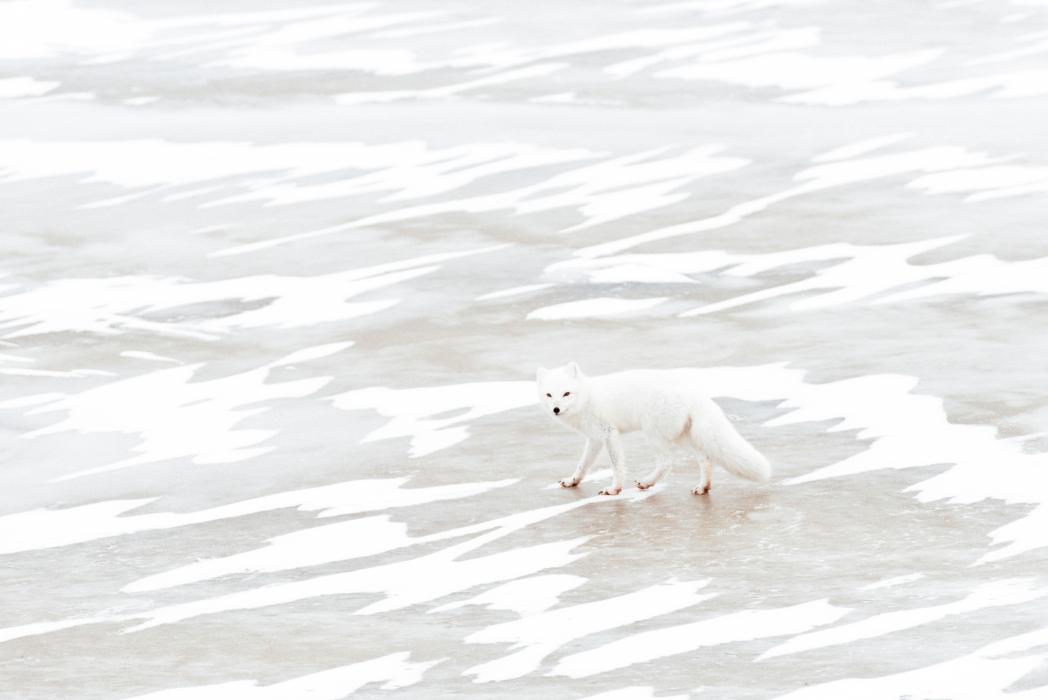
With its diminutive, dainty figure, the Arctic fox seems a delicate addition to the frozen north, but that light, nimble build - paired with incredible insulation and cunning toughness - helps it thrive in even the harshest Arctic conditions.
When hunting, it executes a signature move: the 'mousing leap' - a high, arcing jump followed by a nose-first plunge through snow to catch prey beneath.[2] This routine combines explosive power with control - pouncing, pivoting and landing with precise accuracy. Its hunting requires ‘reading’ the ice, listening for movement below, then executing a flawless jump sequence. One miscalculated landing doesn’t cost them a medal – but might cost them a meal.
Ski jump and bobsleigh: Emperor penguins
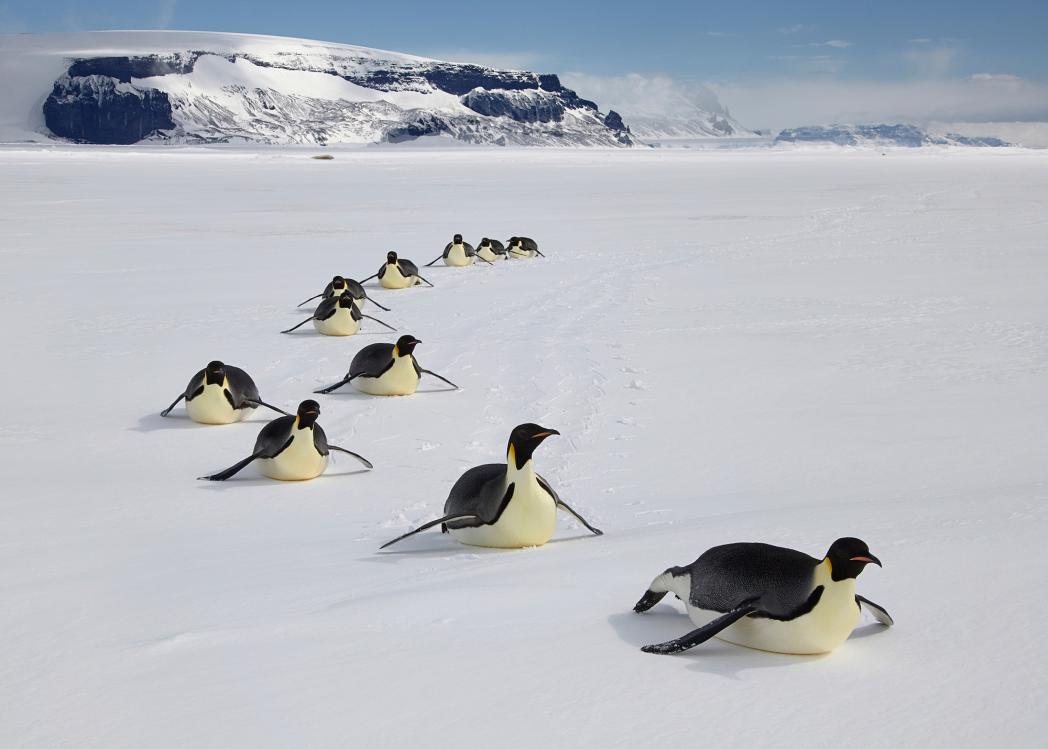
Winter Olympic ski jumpers soar with elegance – but along the Antarctic coast, penguins stage their own jaw-dropping jumps, launching from the frigid depths onto slick ice shelves with explosive power that would make any coach raise an eyebrow. Propelling like a torpedo underwater, these birds rocket toward the surface and burst into the air, sometimes clearing heights over a metre - no skis, no wax, just pure biological adaptation.
Their streamlined bodies and densely packed feathers work like nature's own speed suit, reducing drag and building momentum for that crucial, final leap. Where ski jumpers compete for distance, style points and a clean telemark landing, penguins jump for survival – escaping predators at the water's icy edge to reach safe breeding grounds or reunite with their colony. And while human athletes perfect every aspect of their flight in controlled conditions, penguins do it in biting winds, shifting ice and unpredictable seas.
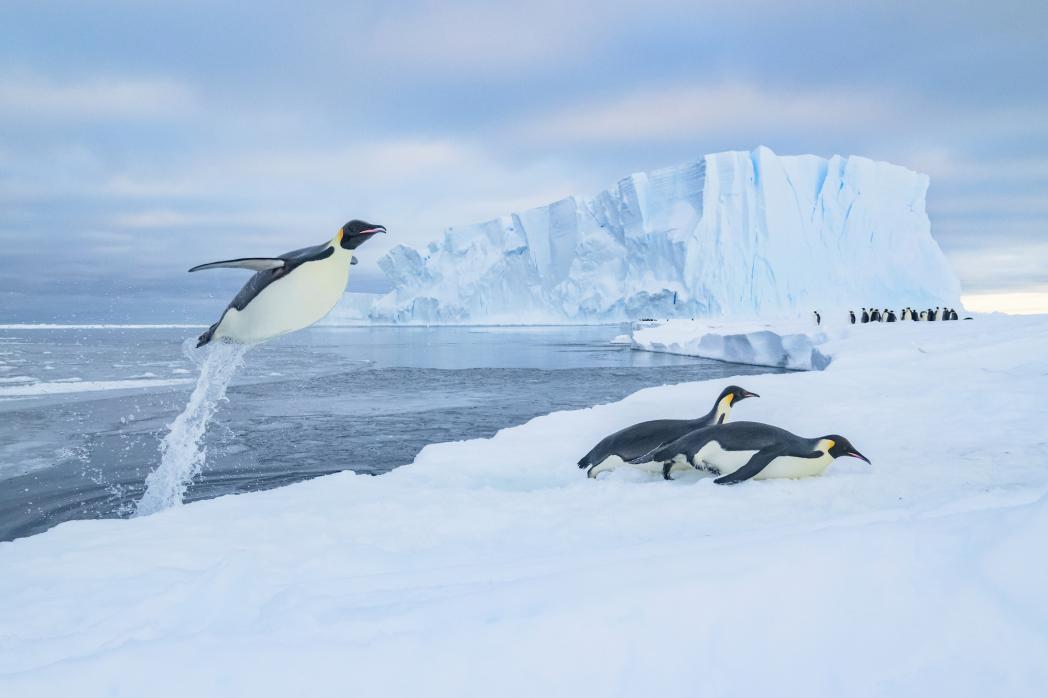
On snow and ice, some penguin species have also perfected another winter sport: tobogganing. By pushing with their strong feet and flippers, they can move swiftly while conserving warmth and energy in the harsh Antarctic cold. It's the fastest, most energy-efficient way for their heavy bodies and short legs to travel long distances across the ice.
Big Air: Owls
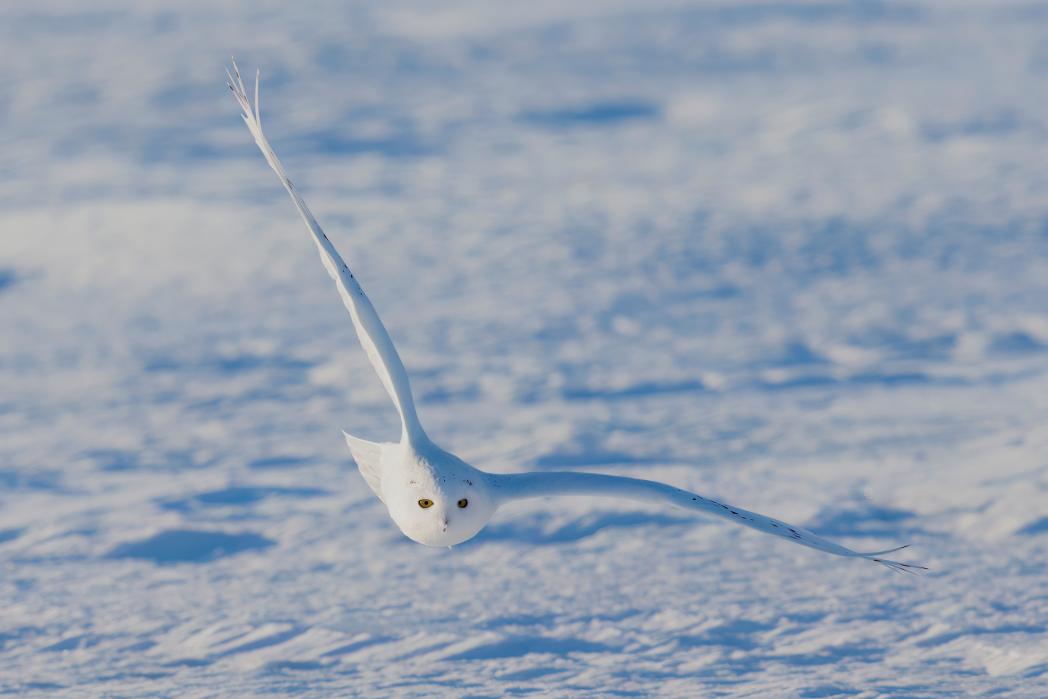
Natural masters of aerodynamics, owls have broad wings allowing them to glide extraordinary distances from minimal height. Like ski jumpers launching from the ramp, owls eject themselves off frosted tree branches and icy cliffs with long, explosive leg power, taking to the sky in silent flight.
Landing requires precision too: strong talons extended at the last moment, absorbing impact on uneven, often icy surfaces, just as ski jumpers must do. Graceful yet powerful, they are masters of the air.
Ski mountaineering: Snow leopards
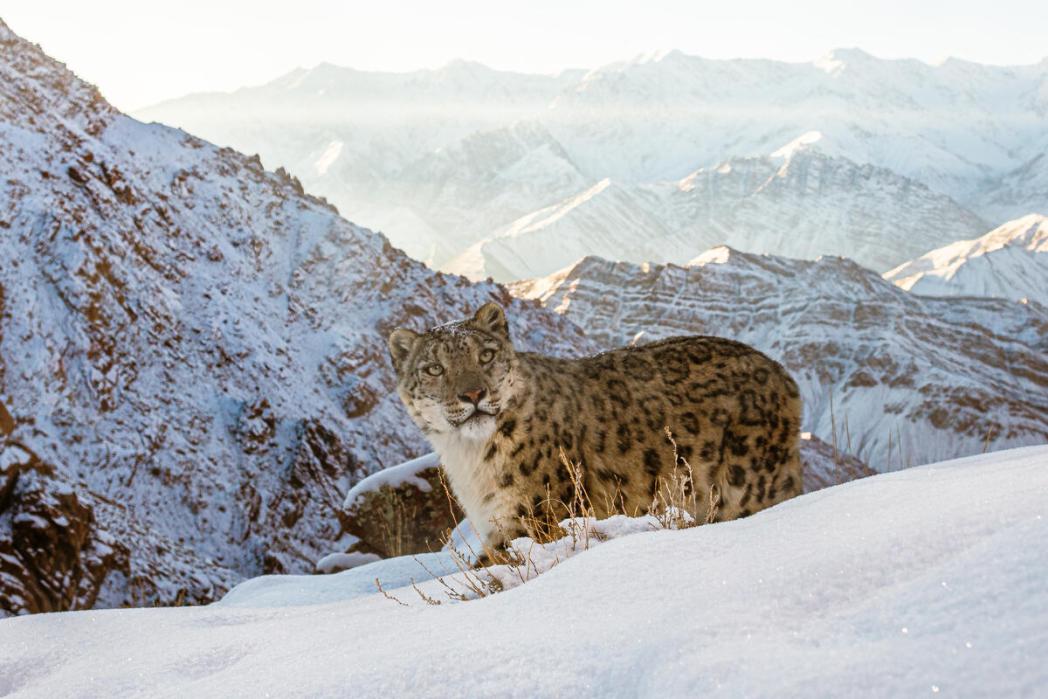
Snow leopards have exquisitely evolved for life at high altitude. Living at elevations of 2,700-5,000 metres, they navigate terrain so treacherous it would challenge even elite alpinists.
Built for the sheer cliffs and -40°C temperatures, their 80-105 cm long tail aids balance whilst acting as a wrap for warmth alongside their insulated coat. The ghost cat's round, short ears reduce heat loss, and its wide, small nasal cavity warms the air before it reaches the lungs. Their wide grip-ready paws mimic natural snow shoes, whilst short forelimbs and muscular hindlegs provide both agility and power. True champions of a cross country challenge, they can travel an incredible 25 miles in a single night.
Ski mountaineering means enduring cold, wind and exhaustion - conditions that are a snow leopard's everyday reality.
Freestyle fliers: Sea eagles
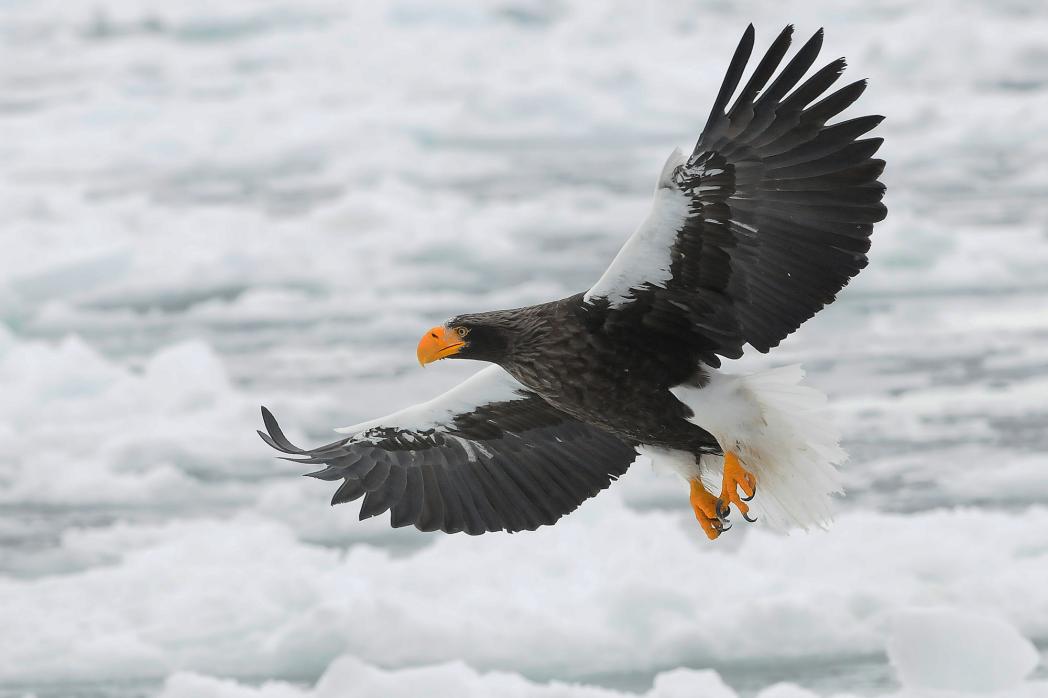
Wild northern ice-scapes and coastlines being their arena, Steller's sea eagles are another example of advanced aerial acrobats, twisting and diving with effortless power as they chase prey and rivals.
With wingspans reaching up to 2.4 metres, they're built for maximum lift and glide. They can soar for hours with minimal effort, sensing air currents and thermals the way ski jumpers read wind conditions.
Sea eagles can reach a speed of more than 100 miles (160km) per hour[3], diving with steep trajectories. Landing with talons-first precision on moving targets or icy perches requires the balance and acute awareness of sticking a perfect jump. They perform aerial manoeuvres - barrel rolls and territorial sky dances - that rival any freestyle aerialist's repertoire.
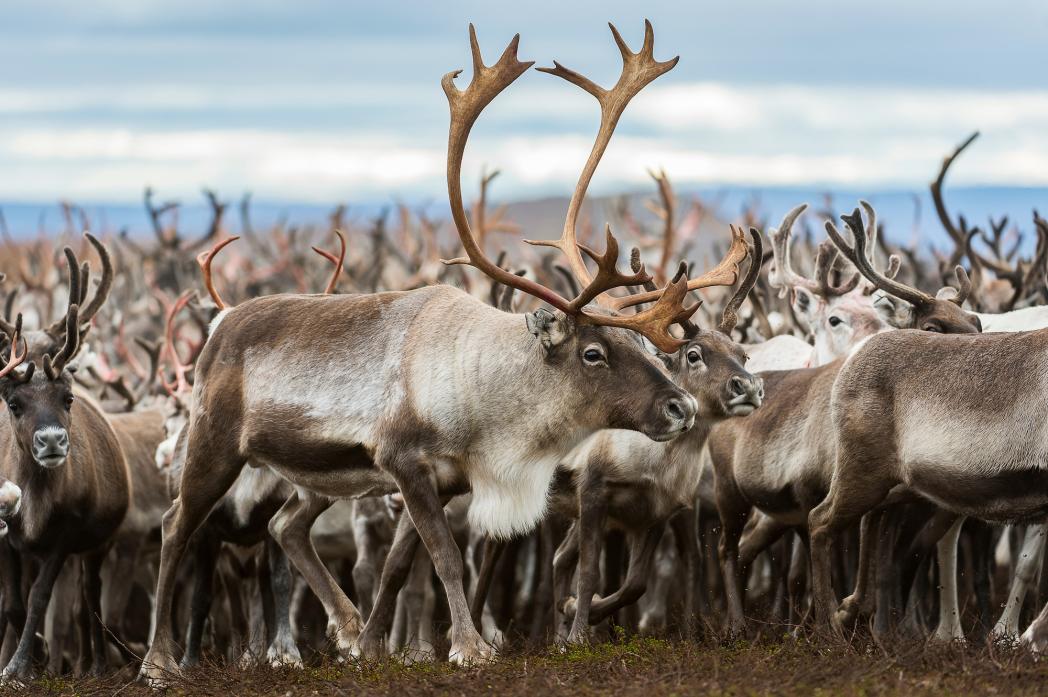
Cross country: Reindeer
Reindeer undertake epic treks across the northern tundra, pushing through blizzards, frozen rivers, predators and scarce food in one of nature's toughest annual migrations. Reindeer can travel up to 3,000 miles in a year - the longest known distance of any land-based mammal, dwarfing any Olympic course.
Unlike human athletes who train for 50km events, reindeer cover that distance daily during migration without rest days. Even at birth, Arctic reindeer calves must be prepared to take on extreme elements, experiencing a temperature drop of 50 - 60 degrees Celsius.
Their wide, crescent-shaped hooves act like snowshoes to help them move across different terrains – snow, ice and mud – whilst also aiding them in digging for food. Their hollow guard hairs provide insulation while also trapping air for buoyancy when crossing icy rivers - a built-in wetsuit beneath fur that Olympic skiers have tried to imitate.
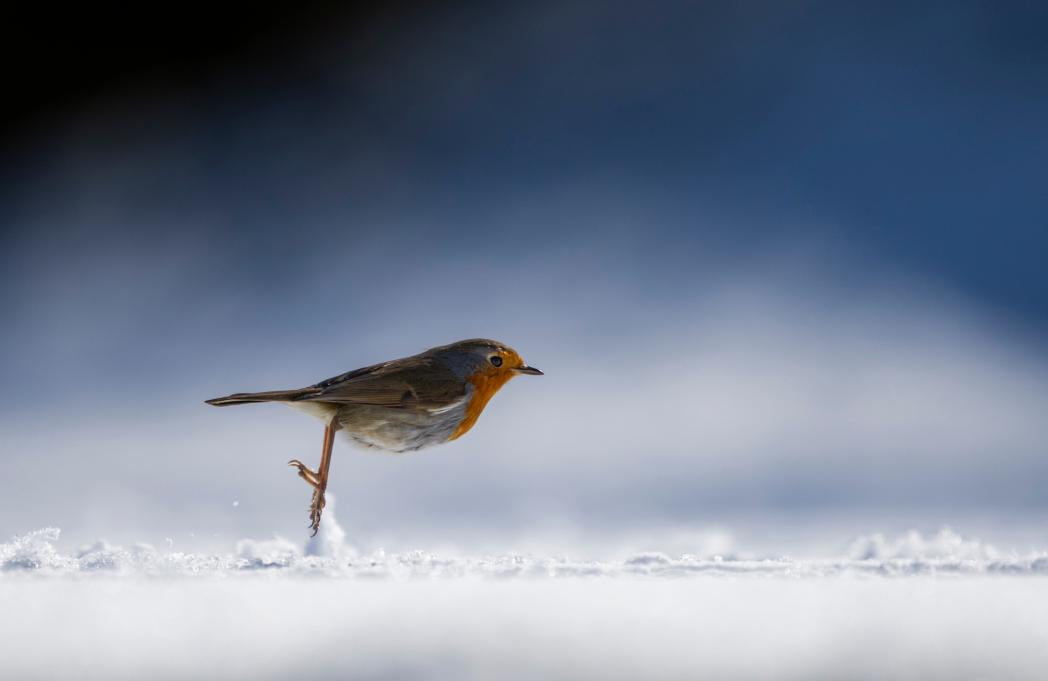
Speed skating: Robin
A UK robin's normal flight speed is roughly 20-30 mph[4], with potential for short, faster dashes. Robins are remarkably hardy little birds, yet winter is still a dangerous time that pushes them close to their limits.
A robin can lose up to 10% of its body weight in a single freezing night[5], meaning each day is a medal-round performance where failure isn't an option. Robins fluff their feathers for insulation (the ‘puffer jacket’ effect) and perform in sub-zero temperatures without the benefit of high-tech suits - just feathers and sheer resilience.[6]
Their lightning-quick pivots and directional changes - darting from ground to branch, weaving through garden obstacles - require the same edge control as a skater navigating tight corners at speed.
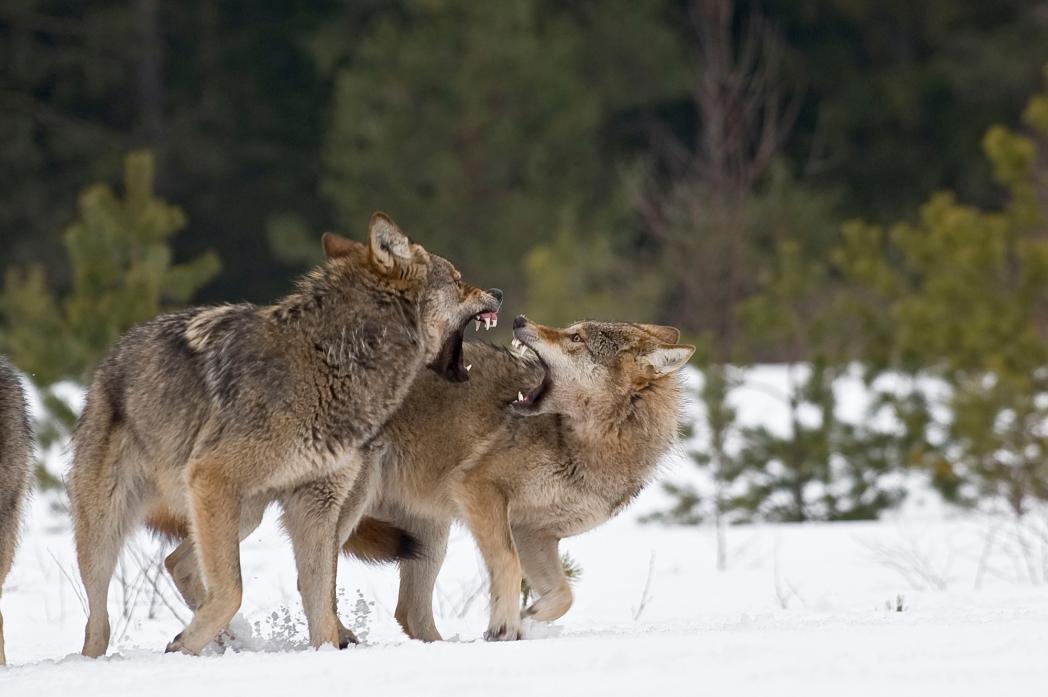
Ice hockey: Wolves
Wolves are tough, hardy and strategic, powering through harsh conditions by working together as a coordinated team. They communicate constantly through howls, body language and eye contact, like players calling plays across the ice.
Pack members, which usually comprise extended family groups, take on their own valuable roles as they move across cold ground, in the same way an ice hockey team needs its captain, forwards and defence. Wolves can hit 35-40 mph in short bursts across snow and ice, their wide paws distributing weight like natural skate blades and preventing them from breaking through crusted snow.
They fake attacks and feint movements to confuse prey, testing an individual’s strength, employing the same deceptive tactics as stick-handling athletes.
In the wild, even the best take a tumble…
Even the best have to retire one day…
And while it's different arenas and different stakes – it's the same thrill of watching a creature take on the most extreme elements.
Yet the winters these wild athletes depend on are under threat. As the climate crisis advances, snow-covered habitats are shrinking, seasons are shifting, and the frozen landscapes that have shaped these species’ survival are changing faster than ever before.
“The story of the 2026 Games is not just about sport. It is a warning, one we ignore at our peril. Unless we rapidly cut fossil fuel emissions and rethink how major events are planned, the future of the Winter Olympics - and winter itself - becomes increasingly fragile.”
Mariagrazia Midulla, Head of climate and energy, WWF-Italy
-
 © Camille Chorley
Author
Camille Chorley - Media Manager, WWF-UK
/
Have a question about this article?
Get in touch: press@wwf.org.uk
Sources
- https://www.woodlandtrust.org.uk/trees-woods-and-wildlife/animals/birds/robin/ Accessed 16/02/2026
- https://www.greenpeace.org.uk/news/arctic-fox-facts-8-fascinating-things-to-know/ Accessed on 16/02/2026
- https://arcguiding.com/blog/nature/mountain-hare/ Accessed 16/02/2026
- https://www.countryliving.com/uk/wildlife/countryside/a29662593/robin-migration-tracked/ Accessed 16/02/2026
- https://www.ebsco.com/research-starters/zoology/sea-eagle Accessed on 16/02/2026
- https://www.countryliving.com/uk/homes-interiors/gardens/a70199724/how-birds-stay-warm-in-the-cold-winter-storm/ Accessed 16/02/25