
Queens of the Forest: From Raising Children to Protecting the Wild
Accurate at time of publication: 06 March 2026
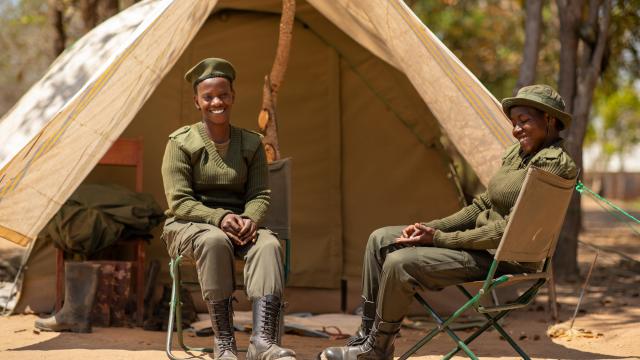
For decades in rural Tanzania, conservation was considered men’s work, a rugged domain of boots, bush, and danger. But a quiet revolution has been unfolding.
Women are rewriting the story of conservation in Tanzania. Among these brave trailblazers stands Rehema Ali Kihimbi of Mbarang’andu Wildlife Management Area, whose journey from mother to wildlife guardian reflects a powerful shift taking root across the country.
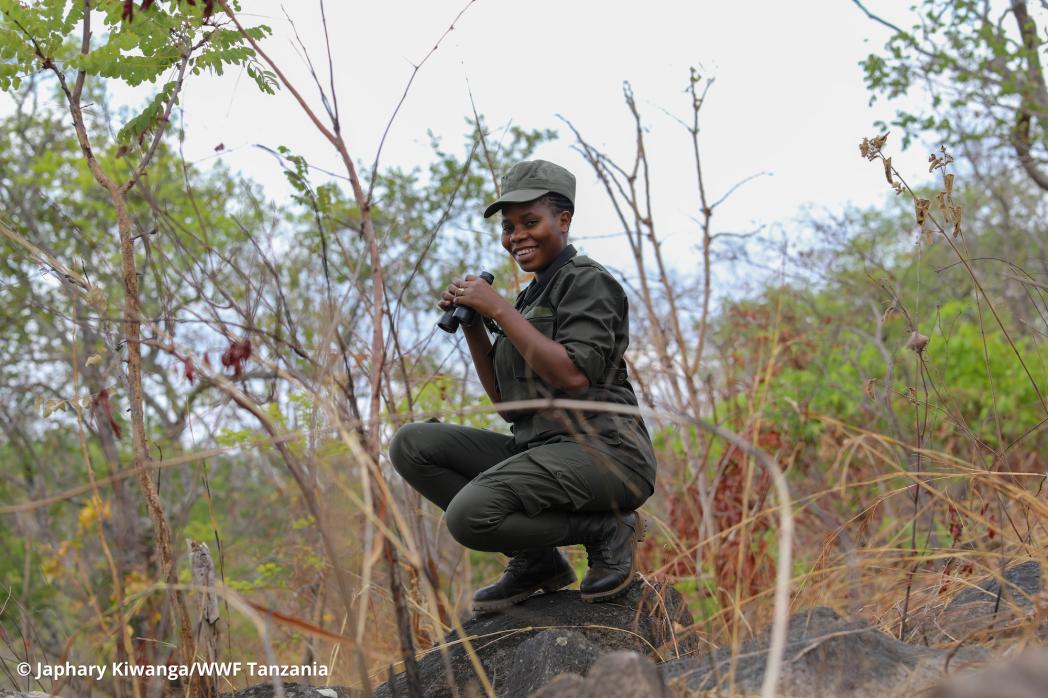
The emergence of female rangers in Tanzania is not merely a symbolic victory; it is a hard-won transformation. The first known breakthrough came in the early 2000s, when Asha Mnkeni joined the ranks of the Tanzania National Parks Authority (TANAPA) as the country’s first female ranger, proving that women could thrive in roles long dominated by men. Her courage not only challenged stereotypes but also opened a path for many more to follow.
In 2013, Wildlife Management Area took another historic step by introducing gender inclusion in their ranger unit, beginning with a single woman in a radio operator role. A decade later, that pioneering act has grown into a full team of female rangers, respected for their discipline and contribution to wildlife protection.
The momentum continued in 2018 when Likuyu Sekamaganga, the country’s community-based conservation training college, graduated its largest cohort of female Village Game Scouts in history, women who endured the same gruelling physical training, survival drills, and field exercises as their male counterparts. These milestones reshaped expectations, not just for institutions, but for entire communities. Set against this national backdrop, Rehema’s story unfolds.
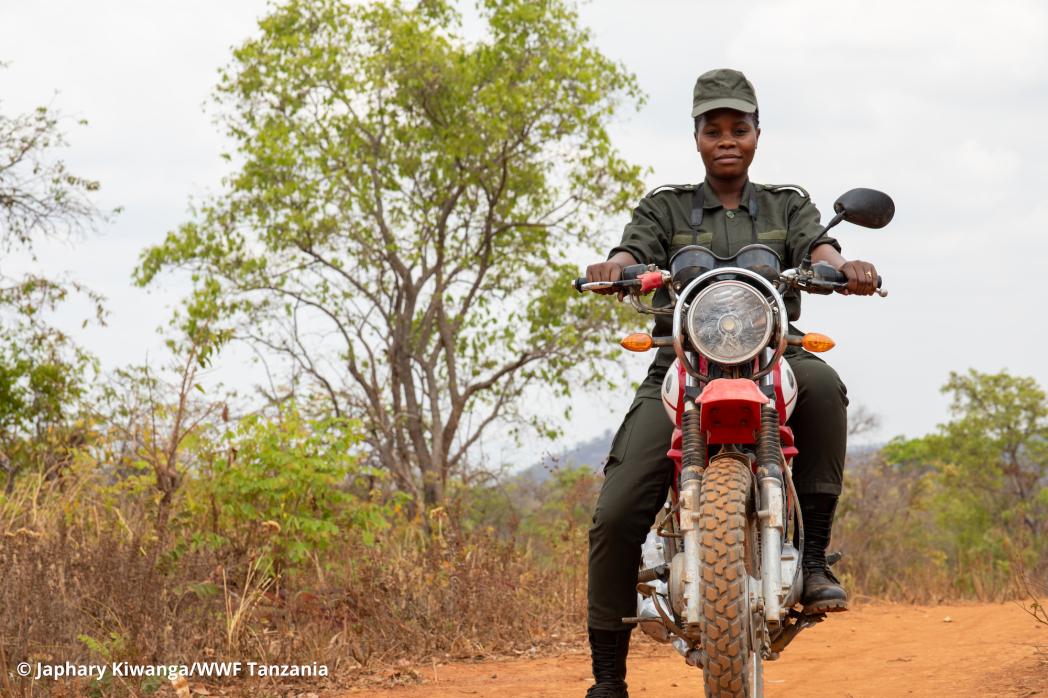
When Rehema was first summoned by her Village Natural Resource Committee, she assumed it was routine village business. Instead, she was told she had been nominated to attend the wildlife conservation training college; a decision made after the village leadership recognised her discipline, wisdom, and quiet strength. She accepted, not fully understanding the magnitude of the path ahead.
The months that followed were among the most demanding of her life. Training introduced her to a world far removed from the daily routines she knew. She learned to navigate forests by GPS, conduct patrols, understand wildlife behaviour, practice basic law enforcement, handle reporting, and engage communities in conservation. She also mastered practical livelihood skills such as beekeeping and entrepreneurship, tools designed to strengthen both her career and her community.
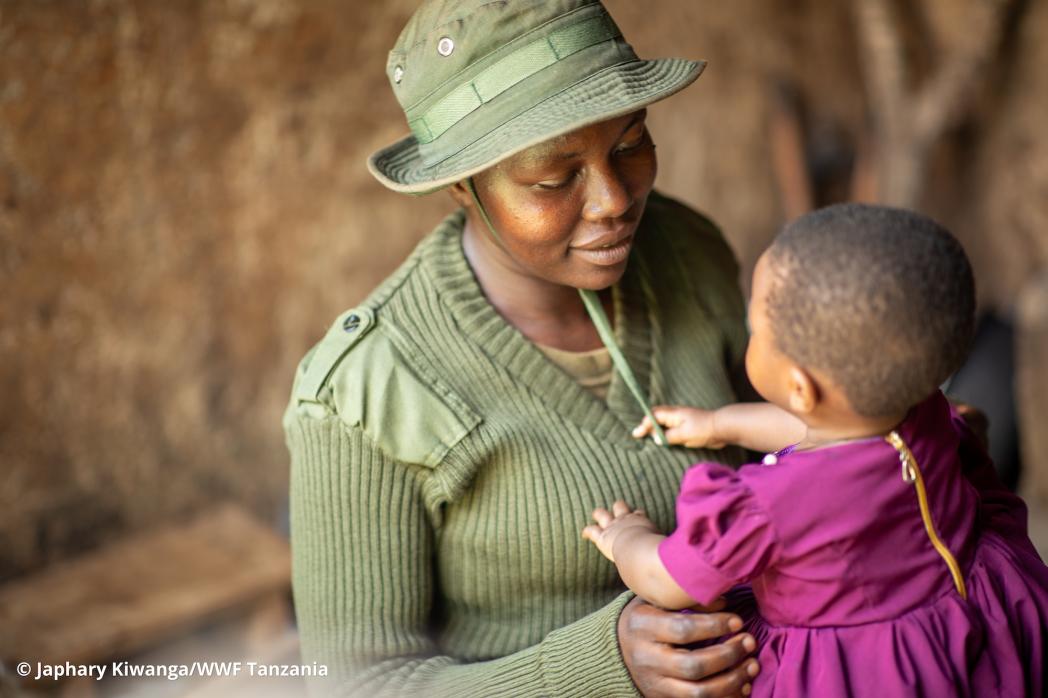
By the end of her training, Rehema had become a Village Game Scout, a guardian of the forests her community depends on. But her real test began after she returned home.
Field patrols do not pause for motherhood. Rangers must respond to alarms, track illegal activities, and navigate long, unpredictable days in the bush. For women, this comes with cultural expectations that seldom bend. Rehema lived this dual life with extraordinary resilience.
The work environment posed its own challenges, including basic field camps, physically demanding patrols and encounters with wildlife.
Rehema earned respect through her professionalism, discipline, and unwavering boundaries. In a place where women were once excluded, she became indispensable.
Rehema’s commitment has not only protected wildlife - it has transformed her life. With a ranger’s steady income, she built a three-room house, purchased farmland, and now supports her family with dignity and independence. Conservation gave her more than employment; it gave her agency, confidence, and a future she once never imagined.
Support from organisations like WWF strengthened her capacity further through equipment, training, and transportation that have made patrols safer and more effective. These improvements have broadened what female rangers and community rangers in general can achieve.
In her village, young women now approach her with admiration. They ask how she joined, how she trained, and whether they too, might one day wear the ranger uniform. Rehema always tells them:
“If you dare to step forward, conservation will welcome you.”
Rehema Ali Kihimbi of Mbarang’andu Wildlife Management Area
Stories like Rehema’s stand out because they capture a moment of transformation.
And they show us what becomes possible when conservation is inclusive.
Rehema is not just a ranger. She is part of a rising generation of Queens of the Forest.
Their journeys remind us that the forest is safest when its guardians reflect the whole community. And as long as women like Rehema continue to stand watch, the future of Tanzania’s forests looks brighter than ever.
-
 © Greg Armfield WWF
Authors
Sadam Mselem, Communications Officer, WWF-Tanzania
Japhary Kiwanga, Communications Officer, WWF-Tanzania
Zoe Brown, Content Research Executive, WWF-UK
/
Have a question about this article?
Get in touch: contentunit@wwf.org.uk