
Be more bee: A glimpse into the life of a bee
Accurate at time of publication: 18 May 2026
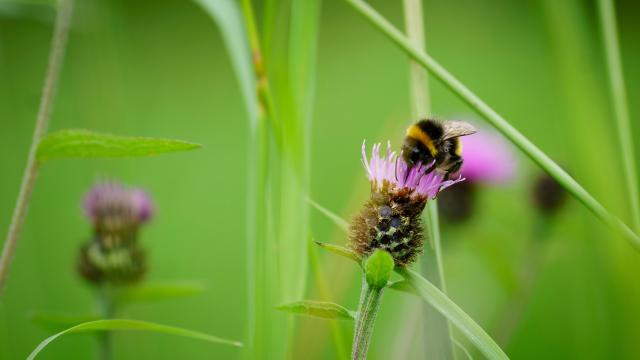
Constantly on the lookout for sweet treats, avoiding bad weather, and building homes fit for a Queen: we have a few things to learn from bees.
From buff-tailed bumblebees to well-known honeybees, all perform a vital ecosystem service by pollinating wild plants and agricultural crops. It’s estimated that around 90% of all the world’s flowering plants and up to 75% of global food crops depend to some degree on bees and other pollinators to reproduce.
Many of us will be familiar with the persistent hum of busy bees in blossoms during springtime and the sight of them flying between flowers in the summer. But what exactly are they getting up to?
Bee behaviour life cycles and daily routines vary by species, but here is a brief glimpse into how these pollinator powerhouses spend their time:
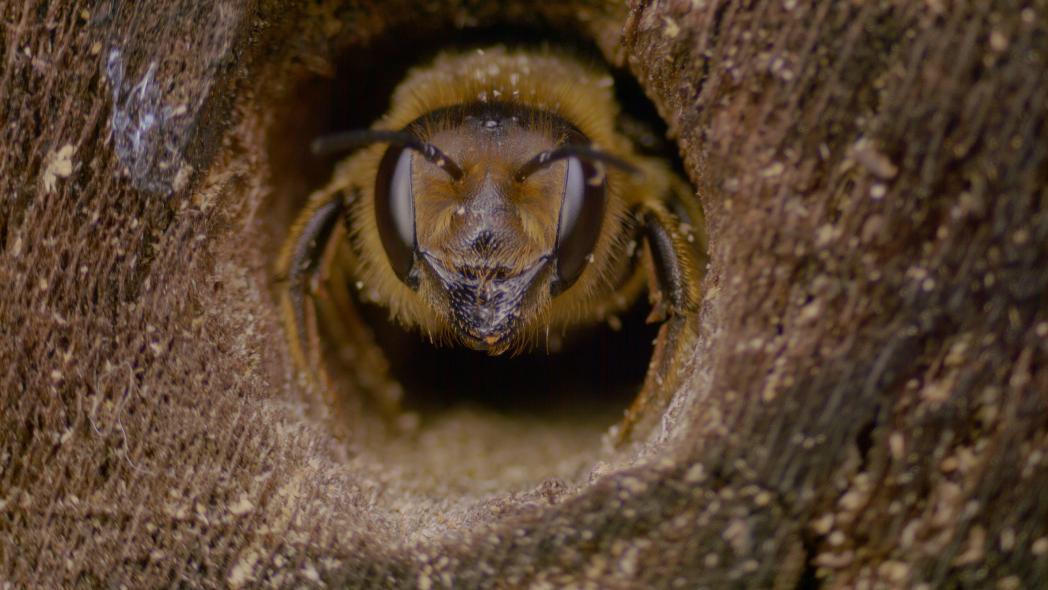
Home is where the hive is
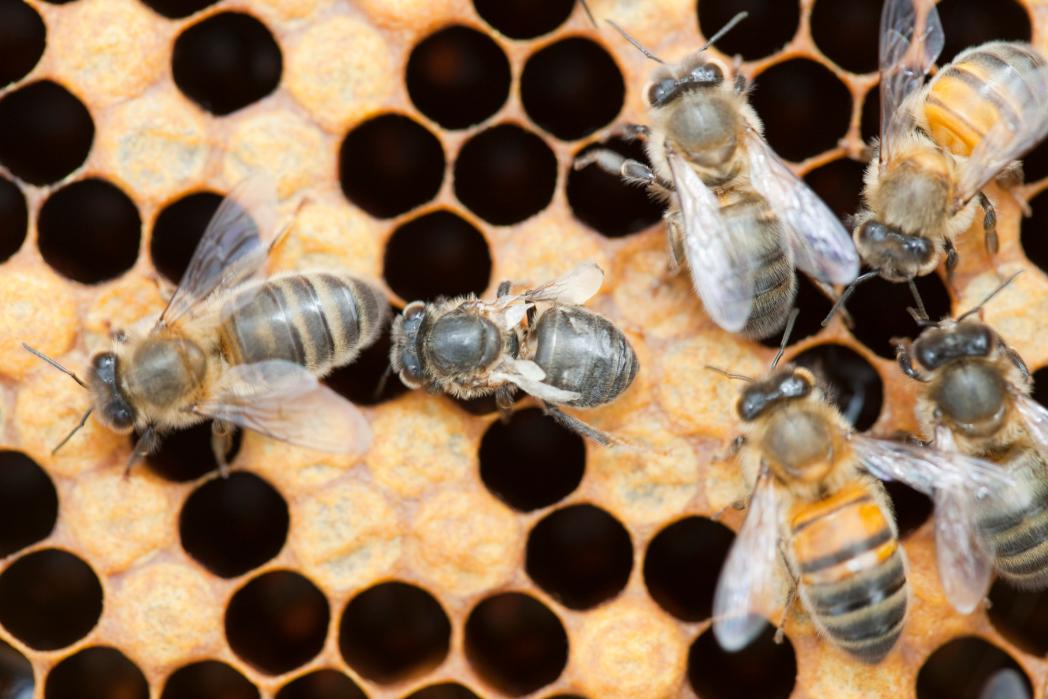
Home design differs between bees. Honeybees construct distinctive, elaborate combs. Bumblebees, on the other hand, make do with a more rustic, scruffy nest. It pays to be resourceful: nests are often the disused burrows of small mammals or birds, with insulating materials including moss, feathers, and dry grass. These are arranged into a ball, with a single chamber within. Inside, the bumblebee queen lays her eggs, which will develop into workers.
Avoid the cold
All bees change their habits during cold periods. Despite their voluptuous deep fuzz, most bumblebees die naturally in autumn. Only the young queen bumblebees hunker down during winter months, seeking out somewhere sheltered to overwinter, before emerging in early spring.
Unlike bumblebees, honeybees do not hibernate; they remain active all year, feeding off honey reserves and shivering to generate warmth.
Outside of the cooler winter months, rain and wind can still interfere with bee flight. Most foraging is done during optimal conditions, meaning low wind speeds and temperatures between 20-30 degrees Celsius. Pleasant!
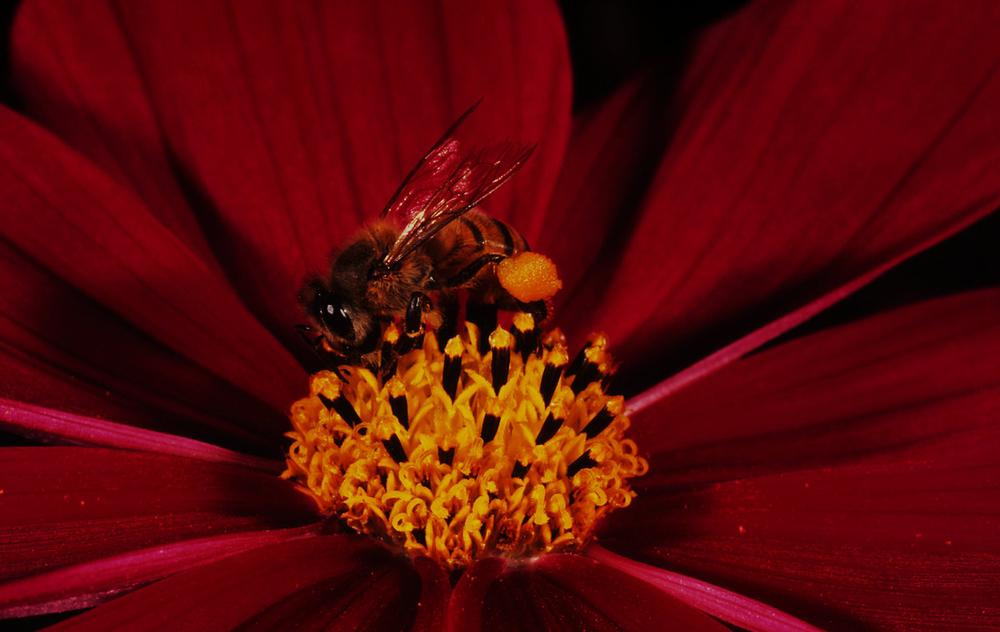
Waggle Dance!
Honeybee workers communicate the location of resources – pollen, nectar, water – to their hives by performing a crawling movement and waggling their abdomens. These ‘waggle dances’ deliver a message detailing the distance and direction of the resource, and the time it will take to get there.
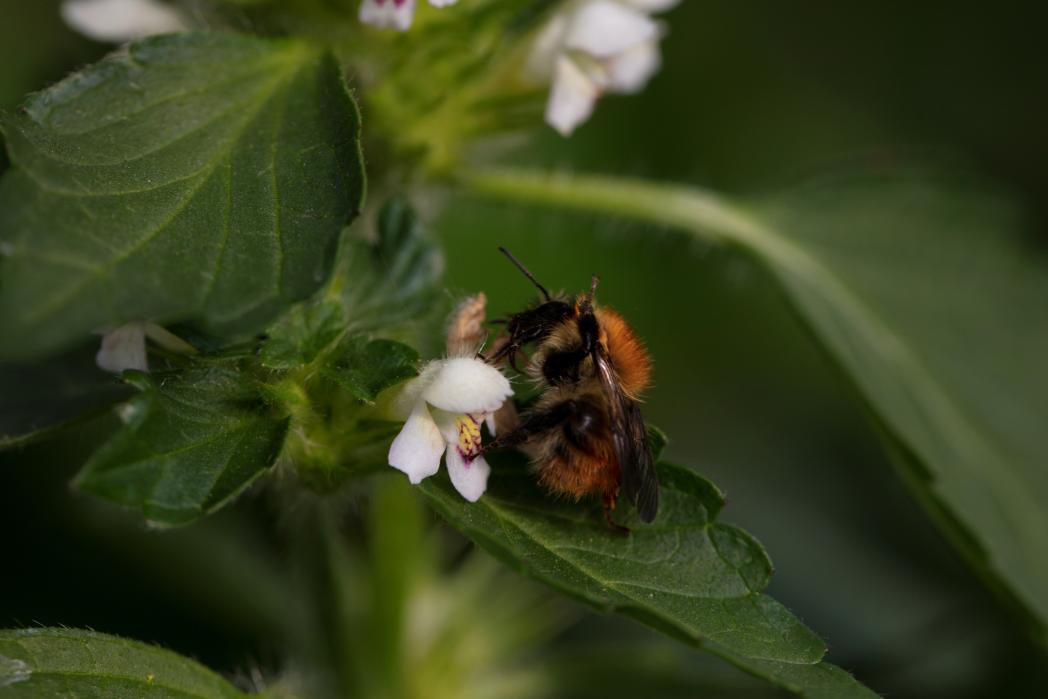
Time to Rest!
We all need our rest – and so do bees. Most bees are diurnal and will be back in the nest by sundown, the day’s work complete. However, a small number of bees are crepuscular, or active around twilight. Their specialised eyes allow them to navigate in dim light.
Treat your loved one to a gift
-
 © Zoe Brown
Author
Zoe Brown - Stories and Content Executive, WWF-UK
/
Have a question about this article?
Get in touch: press@wwf.org.uk
Social boundaries
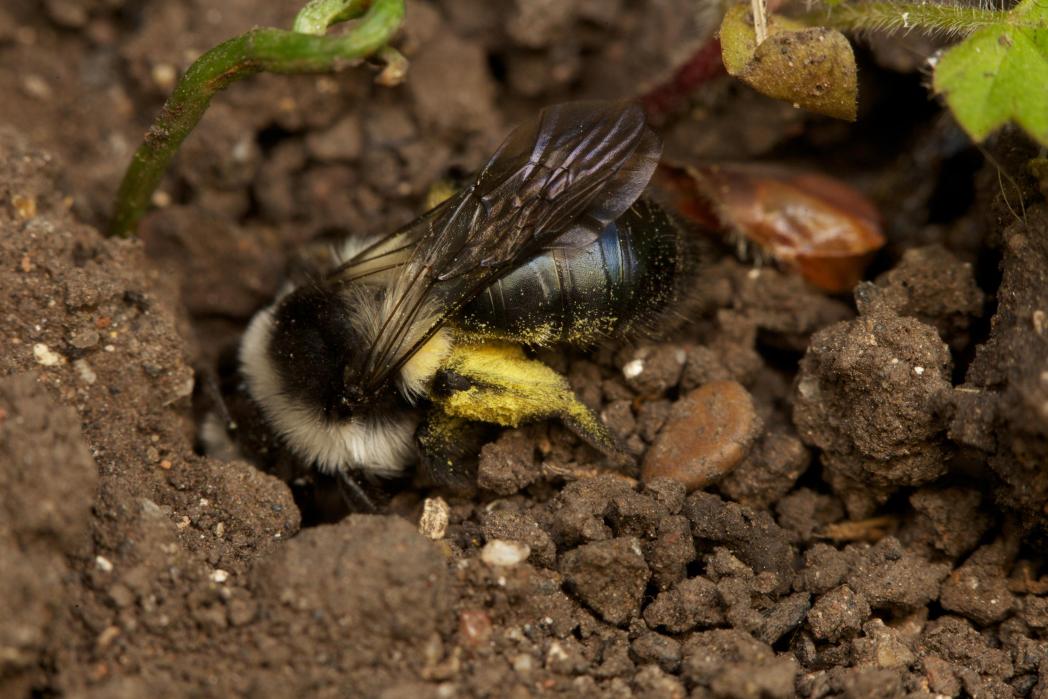
While some bee species are eusocial (the highest level of social organisation in the animal kingdom), others prefer a life of solitude: enter, the solitary bees. Like bumblebees, solitary bees do not produce honey but play an immensely important role in pollination. Each female makes her own nest, and there are no workers.