
Project overview
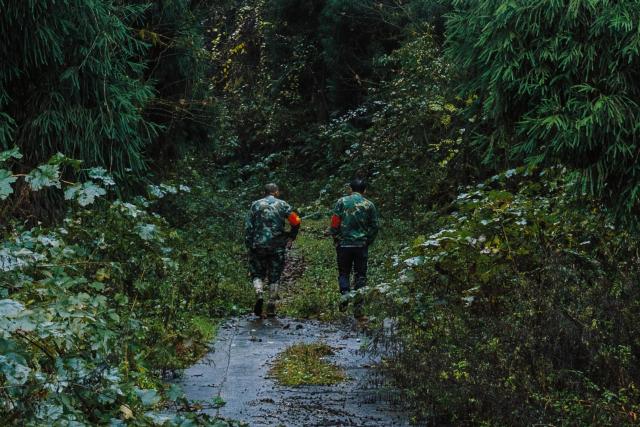
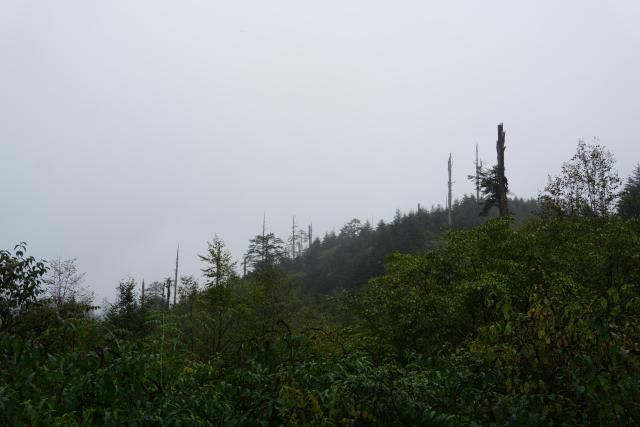
Dujiangyan Panda Migration Station project area in Sichuan Province covers 400 km2 and lies between two major panda populations. This makes its forests important for ecological connectivity. Today, the mist shrouds this ‘city of rain’ - a forest of trees, bamboo over 400 native rhododendrons.
Following the nationwide ban on commercial logging in natural forests, forest farms (areas previously logged) needed support to manage large areas for conservation. With support from WWF, including the construction of a ranger monitoring station and capacity building; forest farm staff have become conservation rangers. In 2018, habitat restoration began with planting of bamboo and other native plants in efforts to enhance the habitat for wildlife. Today, WWF continues to support with wildlife monitoring and ranger training, providing equipment such as camera traps.
Why we are doing it
As its ‘forest farm’ name suggests, the area was logged prior to the country-wide 1998 logging ban of natural forests, but its still an important area for pandas. WWF and local partners, started to think about what they could do to improve the habitat quality here and help these numbers grow. Panda mothers need a safe place to give birth to and raise their tiny, helpless cubs, protecting them from predators and the harsh elements. Natural hollows formed in old trees make ideal dens. However, due to historical logging many of these old trees have disappeared. So, we started to think about how we could provide a safe, sheltered and stable environment needed by pandas for denning.
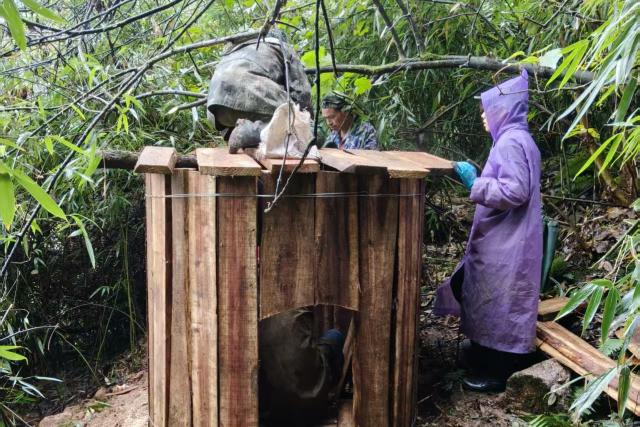
The latest restoration innovation has been the introduction of artificial dens! A project to pilot the eco-friendly construction of panda dens to replicate ancient habitat. 23 artificial dens have been built so far.
Project impact
Based on the early signs of interest from the giant pandas, in 2025 the project grew. WWF supported community volunteer training on wildlife monitoring and further artificial den construction in Dujiangyan. And the expansion of the pilot project to the Daxiangling area of the GPNP. This is an area that similarly serves as a critical corridor for panda movement but also lacks ancient trees and natural hollows. Extending and replicating the experience from Dujiangyan, a team of collaborators here conducted field surveys and constructed 10 new artificial dens, and participated in the surveys, site selection and construction work.
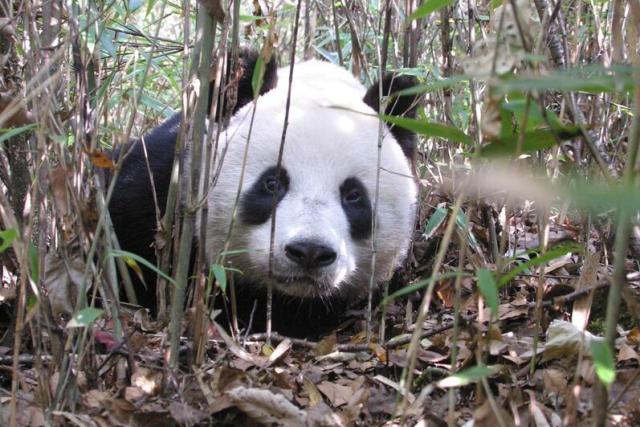
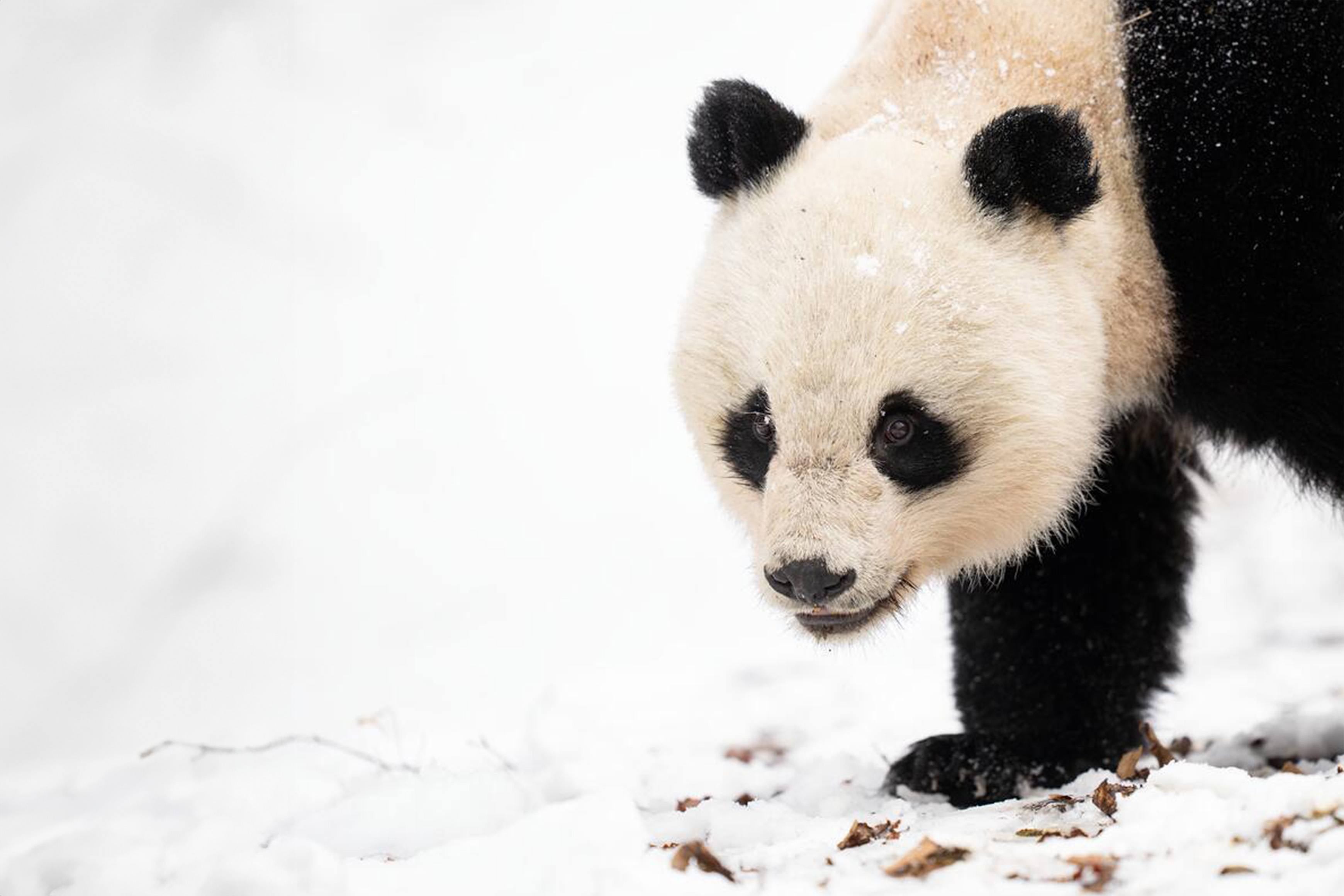
In late 2024, the Dujiangyan camera traps saw giant pandas showing an interest in the dens. Other wildlife also continues to check them out and use them to shelter from the elements, including black bears, golden monkeys and leopard cats.
Next step
The team is trialling different den designs and continue to monitor their effectiveness to understand whether panda mothers will take to them.
Stay tuned - we’re waiting on tenterhooks for more updates from WWF and the monitoring team on ongoing results from this innovative project!
Adopt a Giant Panda
Adopt a Giant Panda
Your adoptions will help protect giant pandas and their habitats, as well as support our vital work around the world. When you choose an animal adoption, you are supporting both your chosen animals as well as wider work to help bring our world back to life.