
Working to protect Mountain Gorillas
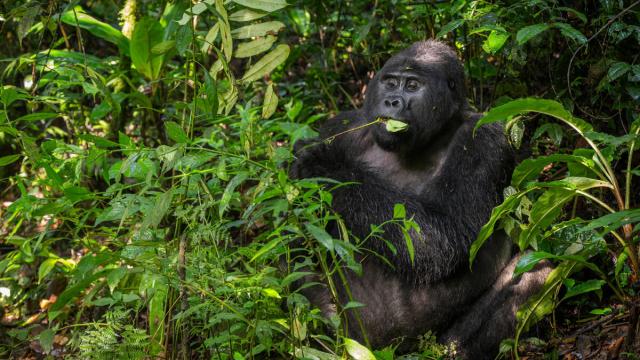
The International Gorilla Conservation Programme (IGCP) is a pioneering, transboundary conservation initiative dedicated to protecting the world’s last remaining mountain gorillas and their unique habitats.
Project overview
In 1991, WWF co-founded the International Gorilla Conservation Programme (IGCP) to ensure the long-term survival of mountain gorillas. IGCP is a coalition of conservation organisations – WWF, Fauna & Flora, and Conservation International – working in partnership with local communities and protected area authorities in Rwanda, Uganda, and the Democratic Republic of Congo. This unique partnership works internationally to protect mountain gorillas and their home in the forest. This work includes:
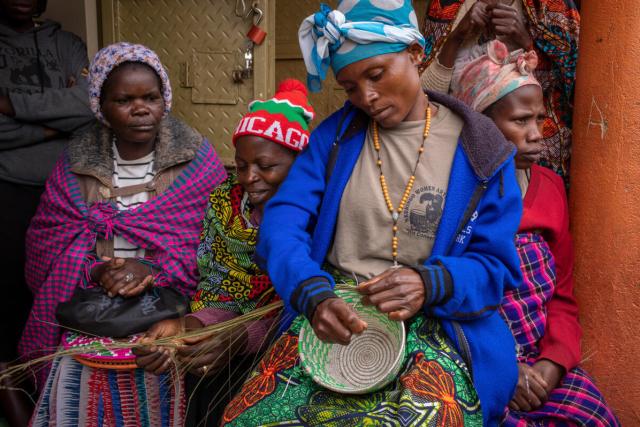
- Community engagement, empowerment, and livelihood diversification: For example, providing training and equipment to support local enterprises (such as crafts, beekeeping and vegetable farming) and working to ensure local people benefit from revenue from mountain gorilla conservation and tourism.
- Human-wildlife coexistence: For example, supporting mitigation strategies such as Human-Gorilla conflict resolution (HUGO) groups, tea growing as a buffer crop, and buffalo wall maintenance;
- Improved tourism practice: For example, ensuring that international best practice (mask wearing, keeping a minimum of 7-10m distance, etc.) is embedded in mountain gorilla tourism;
- Improved protected area management: For example, snare removal, invasive alien species removal, training and equipment for patrols, including in a transboundary context.
With so few left, their survival depends on support from local communities, governments and dedicated conservationists, all working across multiple countries to protect their one and only home.
Why we are doing it
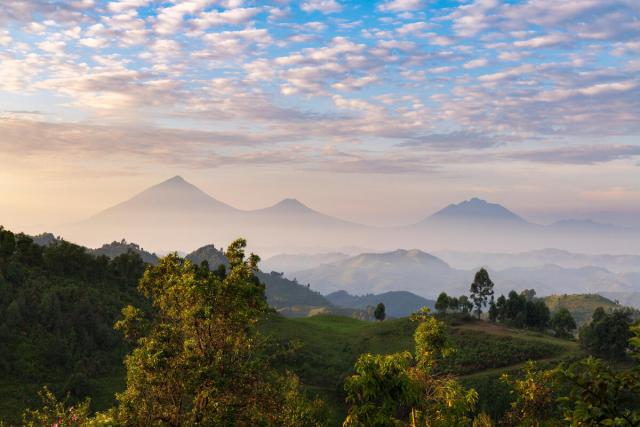
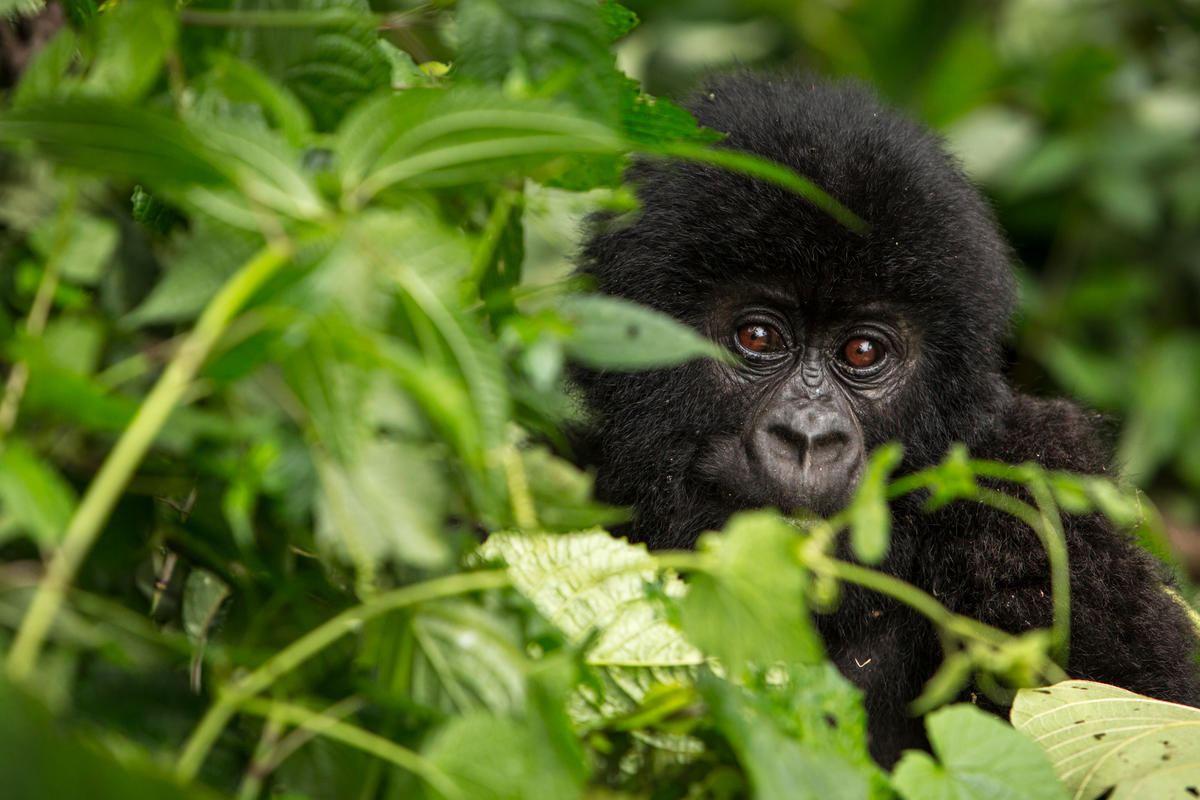
Mountain gorillas have only one home: a network of parks crossing Rwanda, Uganda and the Democratic Republic of Congo. An estimated 1,063 mountain gorillas are known to remain in the wild today. In the early 1980s, it was estimated that there was a global population of less than 400 of these great apes, who share around 98% of our DNA, in the wild. Today, they are still endangered and need our help.
The biggest threat to mountain gorillas is the loss and degradation of the forest they call home. People often rely on the forest and its resources to meet their needs, but this can have negative impacts on mountain gorillas. Forest is lost to make way for agriculture and the use of natural resources, like fuelwood, can damage the habitat. Other threats like disease spread from humans, human-wildlife conflict and climate change all pose a risk to the survival of the world’s last remaining mountain gorillas. Mountain gorilla habitats are bordered by densely populated agricultural communities. When gorillas leave protected areas and raid crops, it threatens local livelihoods and can create hostility towards the gorillas.
Project impact
HUGO: Human Gorilla Conflict Resolution
To reduce conflict and improve coexistence, IGCP developed the Human Gorilla Conflict Resolution Programme (HUGO). Volunteer teams, made up of trained community members, act as rapid-response units that can safely guide gorillas and other wildlife back into the forest, preventing crop damage and reducing risk of disease transmission.
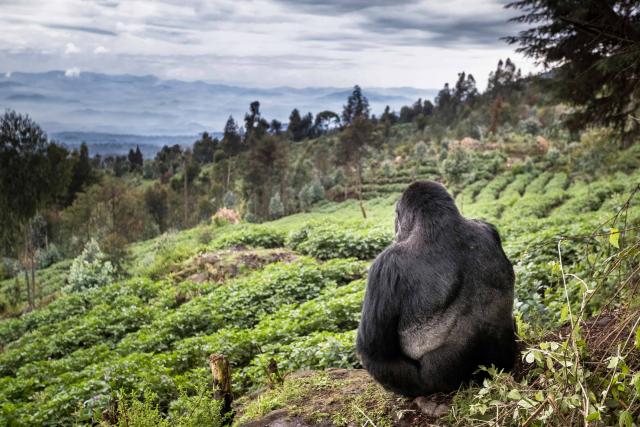
Around Bwindi Impenetrable National Park in Uganda, the HUGO programme operates in collaboration with Uganda Wildlife Authority, local government and park-edge communities. It works alongside tea plantations, which serve as an effective ‘buffer zone’ around the park, because mountain gorillas don’t like tea! Together, the HUGO teams and the buffer zone help to keep both people and mountain gorillas safe.
Thanks to critical conservation efforts, including from WWF-UK and the International Gorilla Conservation Programme (IGCP), the number of mountain gorillas has increased to 1,063 today. This increase contributed to mountain gorillas moving from the ‘critically endangered’ to ‘endangered' category in the IUCN Red List of Threatened Species, in 2018.
The mountain gorilla story is something to celebrate. But work to protect and keep track of this iconic sub-species can’t stop there. Together, with local conservation teams and international support, we can help safeguard mountain gorillas and their forest home.
Adopt a gorilla
Adopt a gorilla
Your adoptions will help protect and ensure the long-term survival of mountain gorillas, and help fund our vital work around the world. When you choose an animal adoption, you are supporting both your chosen animals as well as wider work to help bring our world back to life.