John Lewis Partnership
We’re working together to protect and restore nature in key sourcing regions.
WHY WE ARE WORKING TOGETHER
The products we buy every day are often connected to landscapes across the world. From the forests that provide timber for our furniture and homes, to the rivers that support industries such as textiles, healthy ecosystems are essential for wildlife, thriving communities and resilient supply chains.
Since 2022, we’ve been working with the John Lewis Partnership, which operates the John Lewis department stores and Waitrose supermarkets, to protect and restore nature in areas where their suppliers are based.
RESPONSIBLE TIMBER SOURCING
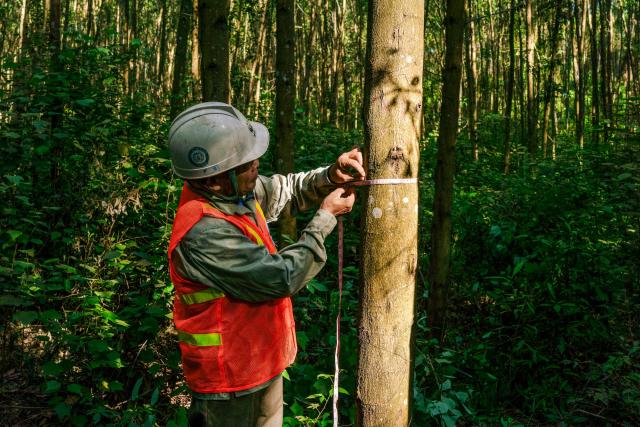
Forests absorb carbon and nurture vital species. They support local communities to prosper and supply markets across the globe. But we are losing forests at an alarming rate, with an estimated 15 billion trees cut down each year.
With the global demand for timber expected to quadruple by 2050, our forests need protecting and restoring, whilst businesses that depend on timber must make their supply chains sustainable and meet their zero-deforestation commitments.
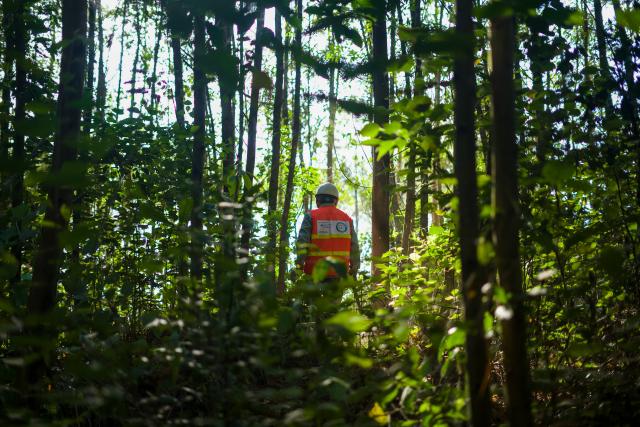
Timber is a key raw material used in many of John Lewis’ products, such as furniture and homeware. As a responsible retailer, the John Lewis Partnership has made a commitment that all timber they use will be deforestation and conversion free. As an important timber sourcing region for John Lewis, Viet Nam is the focus of our work in this next phase of our partnership.
By working with WWF’s global Forests Forward programme and WWF-Viet Nam, our partnership combines support for responsible forest restoration and management in Viet Nam, as well as a global sourcing workstream for the John Lewis Partnership to further strengthen its approach to responsible timber sourcing worldwide and demonstrate corporate leadership.
FRESHWATER RESTORATION AND WATER STEWARDSHIP
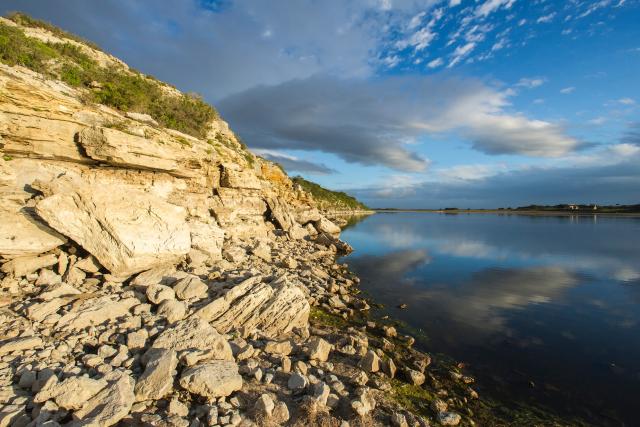
In India, we’re working in the Western Ghats Nilgiris Landscape, one of the world’s most critical biodiversity hotspots. Its many rivers sustain rich ecosystems and rare species such as tigers and the lion-tailed macaque, while providing essential ecosystem services to millions of people and businesses. Within this landscape are the Bhavani and Noyyal rivers which support wildlife, communities and key industries such as textile production and is a sourcing region for John Lewis for a number of different textile products.
However, rapid urbanisation and intensive human activity have placed immense pressure on these river systems, leading to pollution, habitat fragmentation, over-extraction, all of which are further intensified by climate change.
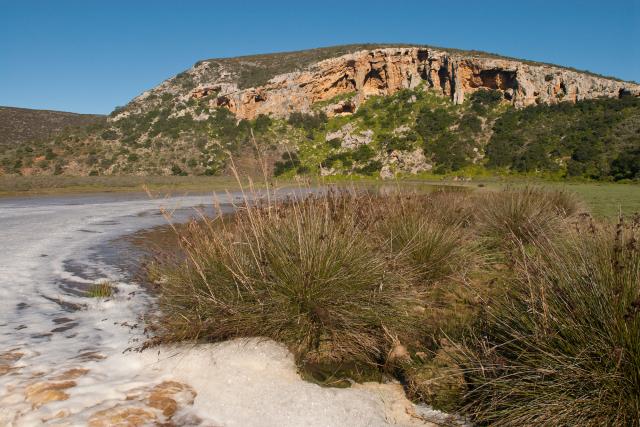
With support from the John Lewis Partnership, we’re addressing water scarcity and water quality in the Noyyal & Bhavani river basins, which have a critical impact on water security in the region. The rivers enable much of the agricultural and industrial activity downstream. Through this project we’re developing pollution interventions by supporting local farmers to adopt different management practices, as well as developing wetland conservation and invasive species management programmes.
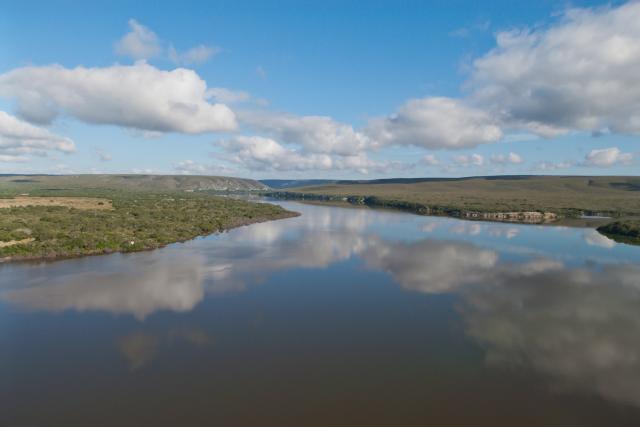
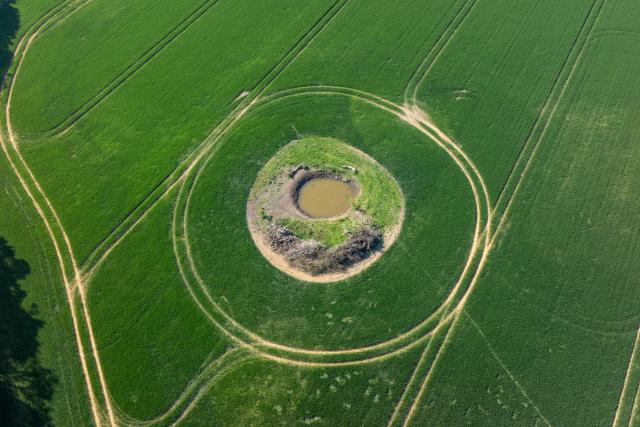
We’re also working in South Africa, where the Waitrose Foundation is funding WWF South Africa on a project aiming to improve climate resilience and water security in South Africa's Boland Groot Winterhoek Water Source Area. The project focuses on growing locally indigenous plants for restoration as well as increasing the capacity of local people to implement nature-based solutions and provide employment opportunities in key agricultural producer regions.
WHERE ARE WE WORKING?
-
 © WWF-Greater Mekong / FGS Production
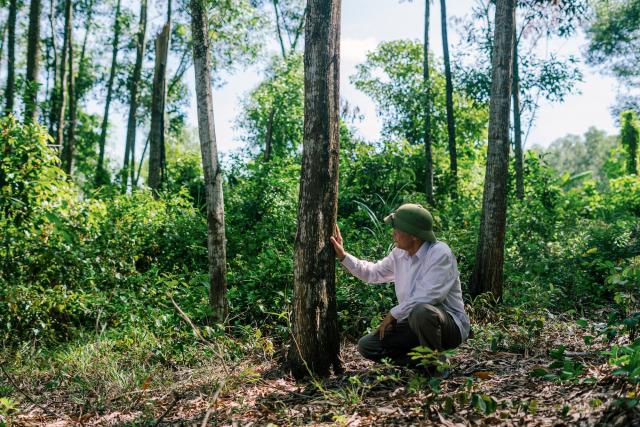
VIET NAM
MoreClose We’re working in Viet Nam's Central Annamites landscape to support responsible forest management as well as strengthen John Lewis’s responsible timber sourcing. The partnership will contribute to work to restore nature, improve climate resilience, support local communities and demonstrate meaningful corporate action towards responsible timber sourcing.
-
 © Ben Cranke / naturepl.com / WWF
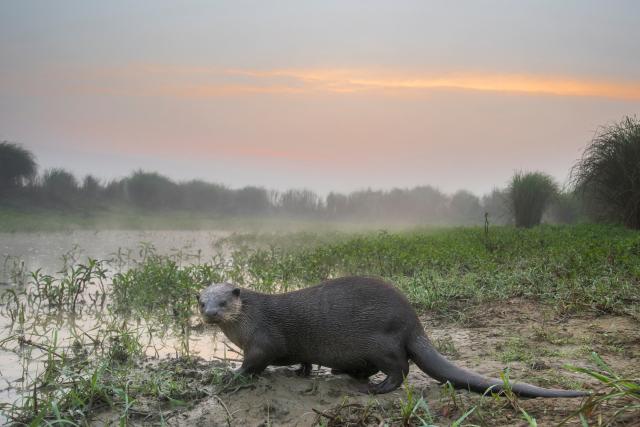
INDIA
MoreClose We’re addressing water scarcity and water quality in the Noyyal & Bhavani river basins which supports key industries such as textile production and is a sourcing region for John Lewis for a number of different textile products.
-
 © Peter Chadwick / WWF
SOUTH AFRICA
MoreClose We’re working with the Waitrose Foundation in South Africa to improve climate resilience and water security in South Africa's Boland Groot Winterhoek Water Source Area. The project focuses on growing locally indigenous plants and increasing the capacity of local nurseries to implement nature-based solutions.
/
WHAT WE’VE ACHIEVED SO FAR
Since 2022, we’ve been working with the John Lewis Partnership across the world to protect and restore ecosystems which their business, suppliers, and local communities depend on.
From 2022 – 2026, the John Lewis Partnership supported our innovative Wholescape approach in Norfolk - a key UK sourcing region for Waitrose. By working directly with local farmers and conservation groups, the partnership supported the development of sustainability plans across 6,000 hectares of farmland and connected 600 farmers to support collaborative, farmer-led nature recovery across the county. Read more about the impact of our partnership here.
So far in South Africa, the project has established pilot projects in three nurseries, supporting capacity of local people to implement nature-based solutions. Nearly 40,000 indigenous plants have been grown to be planted in as part of habitat restoration, as well as growing vegetable seedlings to distribute to rural households, farm schools and an orphanage to improve food security. The project also supported the clearing of water-thirsty alien invasive species and repurposed the biomass as building materials, allowing native species to thrive, ensuring a dependable supply of water and helping support livelihoods of businesses, including Waitrose Foundation farms and individuals who depend on the river catchment.
In 2021 Waitrose signed WWF’s Retailers’ Commitment for Nature alongside four other UK supermarkets, with a pledge to halve the environmental footprint of the average UK shopping basket by 2030.
The signatories have committed to report their performance annually to WWF against metrics linked to climate, deforestation, nature, packaging, food waste and more, and publicly report on the actions being taken to reduce their impact.