
Live Lessons
Get ready to transport your pupils to one of the most extreme environments on Earth with our hosts TV presenter and journalist Julia Bradbury and CBeebies presenter Gemma Hunt! Together, we’ll explore the icy Antarctic climate, investigate how animals survive in freezing conditions, discover why tiny krill are vital to an entire ecosystem, and link up live with scientists and people working in Antarctica right now!
When: Tuesday 10 November 2pm - 2.40pm GMT
Where: Online - we'll send you the link
Register below!
Missed the previous lessons? Catch up below!
Missed a live lesson? Catch up below
Ocean
This lesson is on the Ocean in partnership with the Ocean Conservation Trust. Pupils will join Steve Backshall live underwater from the National Marine Aquarium in Plymouth. Pupils will investigate life beneath the waves, explore ocean habitats and ecosystems, and gain insight into real-life conservation efforts. Inspiring and empowering pupils to appreciate, protect and take meaningful action for our ocean health both locally and globally.

Forests
Recommended Age Group: (ages 7-11) Key Stage 2 / Second level students
Duration: 40-45 minutes
Lesson Overview:
In this engaging and interactive lesson, pupils will explore the fascinating world of forests with WWF and Steve Backshall. They will learn what forests are, the different types found around the world (e.g. tropical, temperate, boreal), and why they are vital for people, animals, and the planet. Pupils will discover the layers of a forest, identify common plants and animals, and understand the importance of conservation.
Learning Objectives:
By the end of the lesson, pupils will be able to:
- Identify the key features of a forest ecosystem including forest layers
- Name and describe different types of forests.
- Recognise common forest plants and animals.
- Understand the role forests play in the environment (e.g. oxygen production, habitat, climate regulation).
- Reflect on the value of forests and how humans can help protect forests.
Polar regions
Recommended Age Group: (ages 7-11) Key Stage 2 / Second level students
Duration: 40-45 minutes
Lesson Overview:
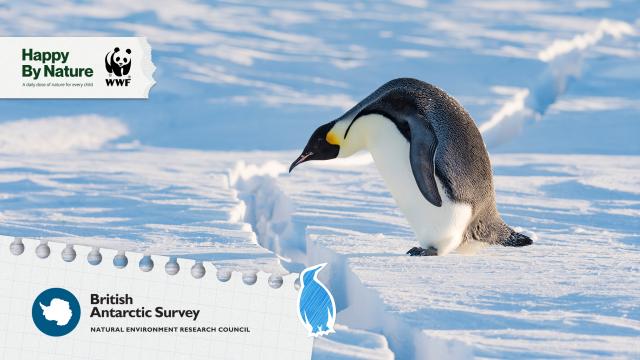
In this engaging and interactive lesson, pupils will explore the geography and unique characteristics of the Arctic and Antarctic, and why these areas are vital for people, animals, and the planet. We will identify iconic wildlife of the different regions.
Streaming live from BAS (British Antarctic Survey) headquarters in Cambridge we will explore what it means to go on a polar expedition and show the equipment needed to work in the extreme polar landscape. We will meet the scientists working in the aquarium and discover some of the species that live in the icy waters and find out how they adapt to living in the region. Steve Backshall will share his experience of visiting the region on expeditions and pupils will have a chance to ask him questions to further understand the wonders, realities and importance of protecting these fragile environments.
Learning Objectives:
By the end of the lesson, pupils will be able to:
- Compare the Arctic and Antarctic, noting similarities and differences in geography, wildlife, and human presence.
- Recognise common polar animals and how they adapt to extreme conditions.
- Understand the considerations for people living and working in the polar regions.
- Reflect on the value of polar regions and how humans can help protect them from threats such as climate change.
UK Nature
In this interactive lesson, hosted by wildlife presenter and author Nadeem Perera pupils will explore the wonders of UK nature and ideas for how to enjoy wildlife in their own neighbourhood. Discover wildlife in meadows, rivers and school playgrounds, meet real conservation stories, and empower pupils to notice, connect with and take action for nature close to home.