The effects of climate change on Wildlife
Climate change affects us all – wildlife and people. To protect wildlife, we have to protect our one shared home.
How climate change is affecting wildlife
Between 1970 and 2020, we lost 73% of monitored wildlife populations as shown in our Living planet report 2024. Climate change will continue to make our most precious wildlife even more vulnerable. The latest IPCC* report showed that, in land-based ecosystems, up to 14% of species face a very high risk of extinction at 1.5°C of warming. At 3°C of warming, that number could rise to as much as 29% of species.
As our planet heats up, we’re living through more extreme weather: floods, fires and droughts. Wildlife is struggling to cope – food is disappearing, water is drying up, and their homes are being destroyed.
Read more in the *Intergovernmental Panel on Climate Change (IPCC) report: Climate Change 2022: Impacts, Adaptation and Vulnerability. The IPCC reports inform governments about the state of knowledge on climate change and represent the work of thousands of leading climate scientists.
Wildlife in a warming world
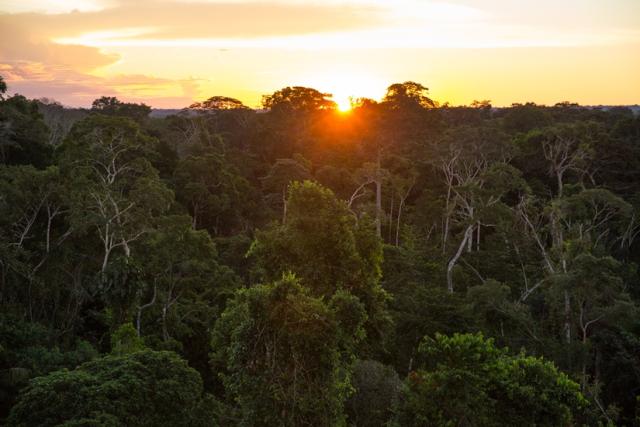
Our research report from 2018 named ‘Wildlife in a Warming World’ based on a landmark study by the University of East Anglia, James Cook University, and WWF, reveals some shocking findings. The research examined the impact of climate change on nearly 80,000 plant and animal species in 35 of the world’s most diverse and naturally wildlife-rich areas.
Almost half of plant and animal species in the world’s most naturally rich areas, such as the Amazon and the Galapagos, could face local extinction by the turn of the century due to climate change, if carbon emissions continue to rise unchecked. Even if global warming is limited to 2°C, these places could lose 25% of their species.
The latest Living Planet Report shows that climate change is one of the primary reasons we are losing our precious species. Latin America and the Caribbean are already experiencing the steepest decline in monitored populations; it is also where climate change-related impacts are reported most often.
The effects on wildlife
73%
How much Wildlife we’ve lost since 1970
5,711
The number of tigers left in the wild
99%
Of coral reefs are expected to disappear at 2°C of global warming. Keeping temperatures to 1.5°C limits this to a loss of 70-90%
Over 28%
Of the 172,600 species assessed by the IUCN are threatened with extinction
Wildlife affected by climate change
Many of the world’s threatened species live in areas that will be severely affected by climate change. We know that climate change can compound other threats like habitat loss and overexploitation. And it is happening too quickly for many species to adapt.
-
Snow leopard
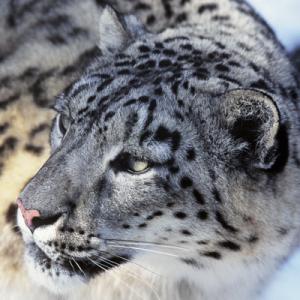
Warming in some parts of the Himalayas has already occurred at three times the global average. This is prime snow leopard habitat and continued warming will cause their range to shrink as the treeline moves higher up the mountains. This will not only fragment and isolate snow leopard populations, but it could severely affect their prey too.
-
 © naturepl.com / Axel Gomille / WWF
Tigers
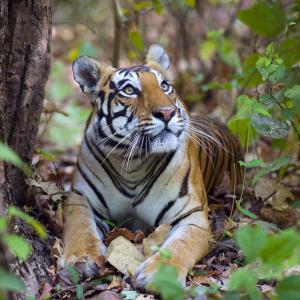
Tiger numbers in the wild had declined to as few as 3,200, before increasing to around 5,711 in 2025 (Global Tiger Forum). Threats to tigers include poaching and habitat loss. Climate change is likely to result in increasing sea levels and further risk of fire in the already fragmented habitats where tigers live.
-
 © Ola Jennersten / WWF-Sweden
Rhinos
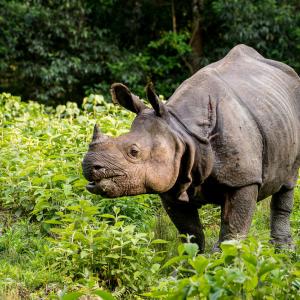
Average temperatures rainfalls are continuing to rise in India with increased irregularity of drought and floods. For example, in India, when hen floods happen, rhinos move to higher ground, sometimes outside protected area boundaries. potentially contributing to increasing human-rhino conflict. Javan rhinos rely on wallowing in mud to regulate their body temperature, which could become increasingly hard in the non-rainy seasons as droughts get harsher.
-
 © Anup Shah / naturepl.com
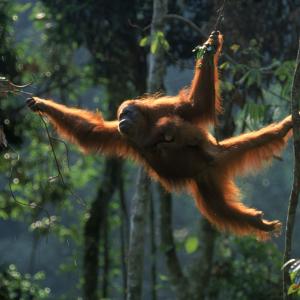
Orangutan
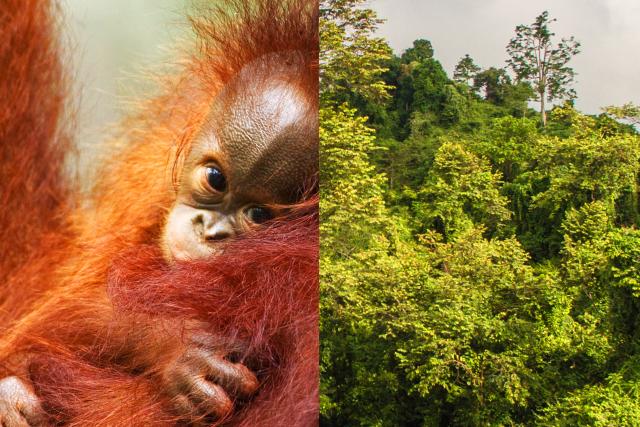
Breeding and survival depend heavily on the availability of their main food source, fruit. In Southeast Asian rainforests, many tree species rely on periods of drought to trigger flowering and fruiting. Climate change is disrupting these cycles, with increased and more irregular rainfall reducing fruit production.
-
 © Richard Barrett / WWF-UK
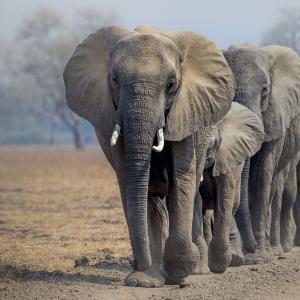
African elephants
African elephants need to drink around 150 - 250 litres a day. However, as the climate changes, temperatures in Africa are rising and rainfall patterns are changing. This has a direct effect on elephant populations, as resources become scarcer with more frequent prolonged periods of drought.
-
 © naturepl.com / Steven Kazlowski / WWF
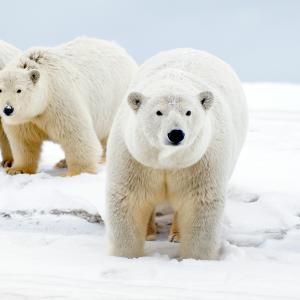
Polar bears
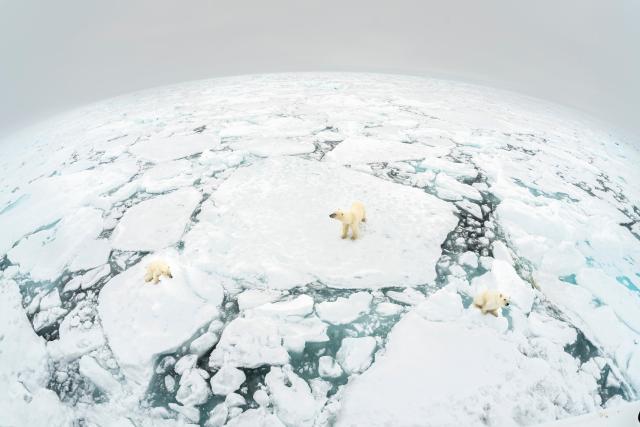
The Arctic is warming nearly four times faster than the global average, causing the ice that polar bears depend on to melt away. Loss of sea ice also threatens the bear’s main prey, seals, which need the ice to give birth and raise their young.
-
 © WWF-Aus / Chris Johnson
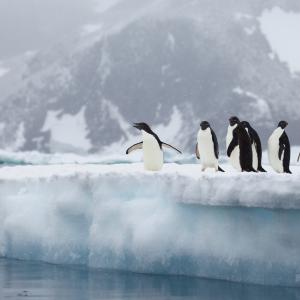
Penguins
In parts of the Antarctic peninsula, sea ice cover has reduced by over 60% in 30 years. One of the emperors’ main food sources, Antarctic krill, needs sea ice to breed and feed under, and the loss of ice is thought to be causing a decline in krill in some areas. Warmer temperatures can also affect emperor chick hatching times, and they may hatch at times when food is more scarce.
-
 © Jona Sanchez / Shutterstock
Turtles
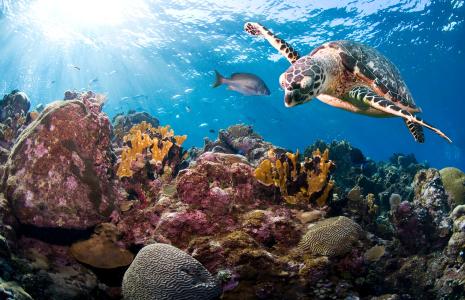
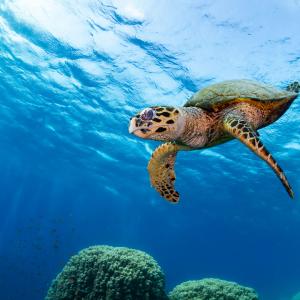
Turtles are seriously threatened by climate change. Sand temperature is a factor in the sex of turtles and increasing temperatures may result in only female hatchlings. For generations, marine turtles have returned to the same beaches to lay their eggs. But climate change brings rising sea levels, higher tides and more extreme weather events which can destroy turtle nesting sites.
-
 © James Warwick
Puffins
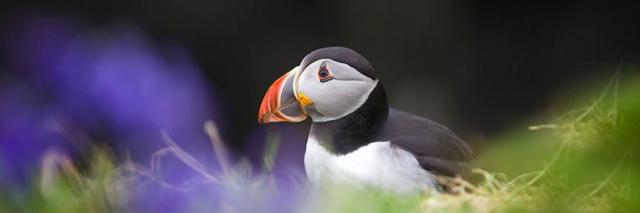
These beautiful little birds can be seen in various locations around the UK each summer - they migrate here to breed. But as climate change affects the timing of the seasons, it can change the availability of their prey. So migrating animals may find that they arrive at breeding grounds when there is less food around. The prey that seabirds rely on to feed their chicks is also moving as seas warm, and being overfished. All of these are combining to put puffins at risk of sharp decline in the future.
-
 © WWF-Canon / John MacKINNON
Pandas
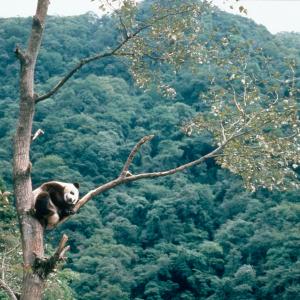
The loss of plants will have damaging knock-on effects for many other species. For example, the bamboo that giant pandas rely on is likely to be impacted by warmer temperatures shifting suitable habitat to higher elevations.
/
UK wildlife affected by climate change
The solutions
Saving wildlife also means saving it’s habitat - it’s home. We need to reduce the pressures on habitats by keeping our climate stable, protecting our natural resources, and making our oceans healthy.
Research has shown that keeping global temperature rise as low as possible reduces the risks to wildlife. We need urgent action from global leaders to cut greenhouse gas emissions before it’s too late. Phasing out fossil fuels and embracing clean energy is not only the best choice for nature, it also improves air quality and is often cheaper - un-energy-transition-report_2025.pdf.
We also need to protect and restore natural ecosystems. Not only does this provide a way to potentially remove atmospheric greenhouse gases, natural solutions allow species the space to adapt and migrate, reducing the pressure they face.
It can feel scary and overwhelming, but everyone can play their part in reducing the impacts of climate change. Even the small choices we make add up to make the difference. That’s good news for wildlife, and for us all.
Examples of our work
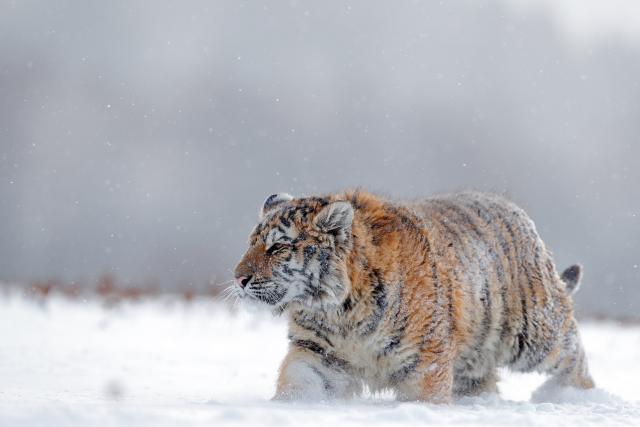
Tigers
With your support, we’re protecting and restoring wild places at risk from more extreme weather, like the forest homes of the endangered tiger.
These forests also have the power to store huge amounts of harmful carbon from the air, helping us fight climate change. Good news for tigers – and for us all.
Tiger population numbers are on the road to recovery in places such as India and Nepal but more efforts are needed to secure the progress made and for tiger ranges to expand further.
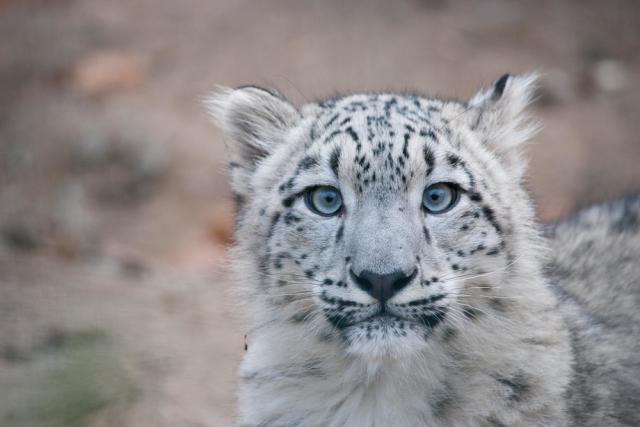
Snow leopards
We’re supporting local mountainous communities to safely co-exist with snow leopards.
Already vulnerable, snow leopards are losing parts of their high-altitude habitat as warming temperatures push treelines higher and shrink alpine meadows. Declines in their natural prey sometimes force them to turn more to livestock, bringing greater conflict with local people.
Your help means we can continue supporting community schemes that help herders reduce livestock losses, and adopt more climate-resistant farming practices. In an area we support, these measures have been so effective there have been no recorded cases of snow leopards being killed to protect livelihoods in recent years.
That’s a better future for snow leopards – and for people.
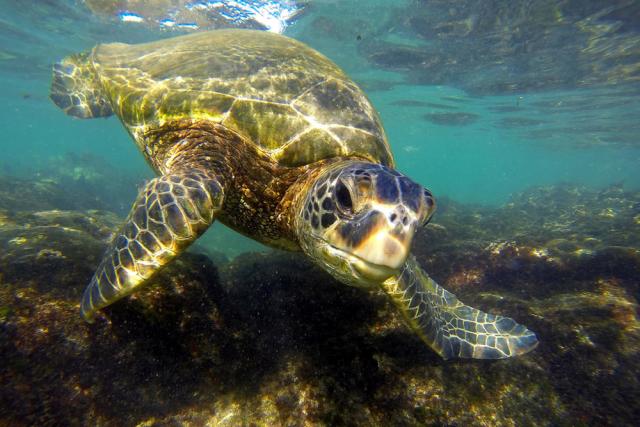
Turtles
Thanks to you, we can give the next generation of turtles a fighting chance.
For generations, marine turtles have returned to the same beaches to lay their eggs. But rising sea levels and increasingly severe storms, driven by climate change, are putting these nesting sites at risk, sometimes washing away nests before the eggs can hatch.
To help protect turtles, we’re moving eggs laid too close to the water and planting precious mangrove forests, which act as a barrier to rising waters. Great for turtles, and the people who live on the coast.
How you can help
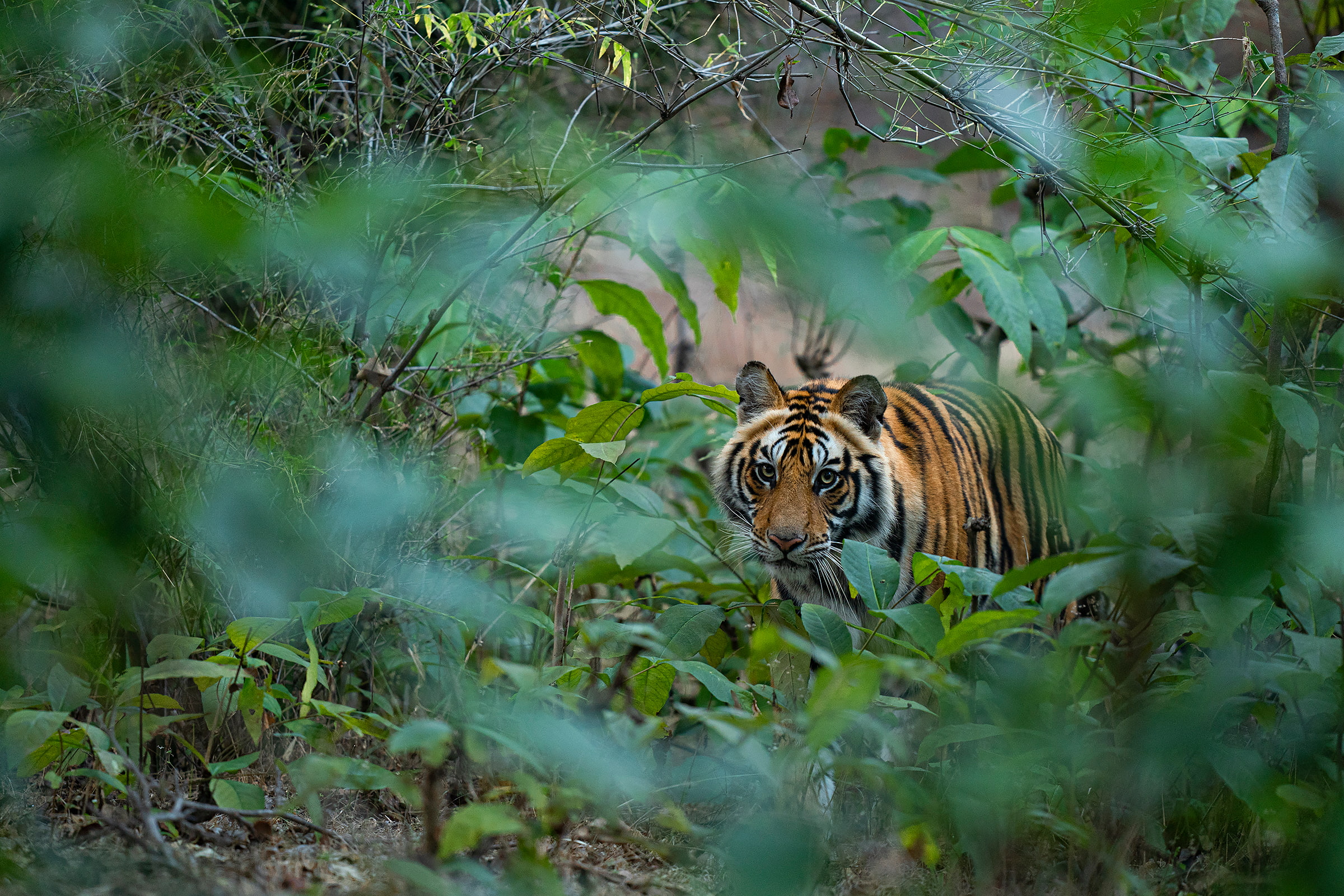
Adopt an animal
Adopt an animal
Adopting an animal with WWF UK for £5 a month not only protects the species you adopt, but it also funds our wider work around the world.
We also recommend

Solutions to climate change
Ways to help Wildlife in the heat