

African elephant:
around 415,000 remaining

Can be found:
Majority (estimated 70%) found in southern Africa

Threats:
Illegal wildlife trade, habitat loss, human-elephant conflict
What sound do African elephants make?
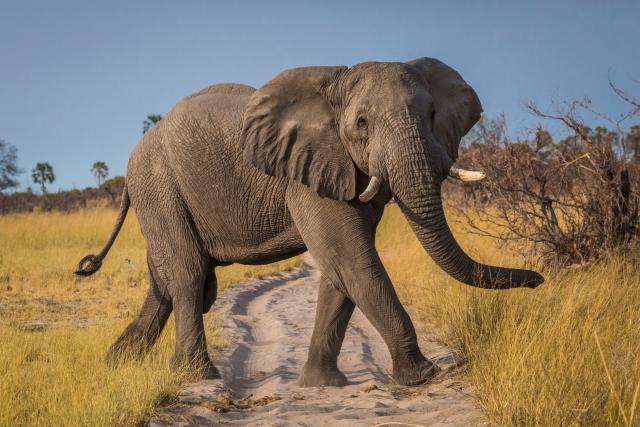
African savanna elephant trumpeting
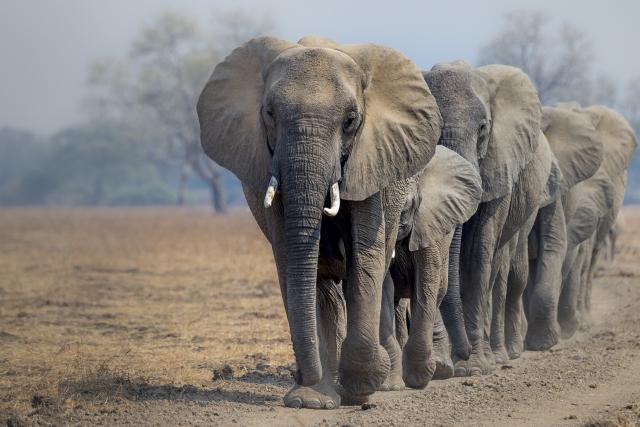
African Elephant
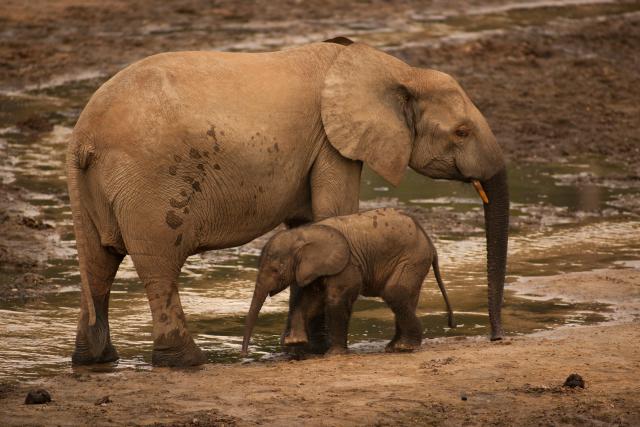
African forest elephant (Loxodonta cyclotis)
African savanna elephant (Loxodonta africana)
African elephants are the world's largest land mammals, with males, on average, reaching up to 3m in height and weighing up to 6 tonnes.
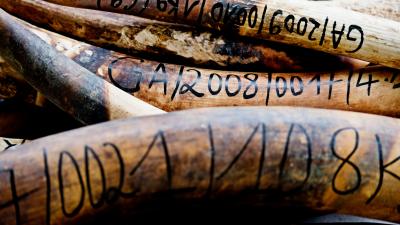
The number of African forest elephants has fallen by more than 86% over a period of 31 years, while the population of African savanna elephants decreased by at least 60% over the last 50 years, according to assessments. Both species have suffered sharp declines since 2008 due to a significant increase in poaching, which peaked in 2011 but continues to threaten populations.
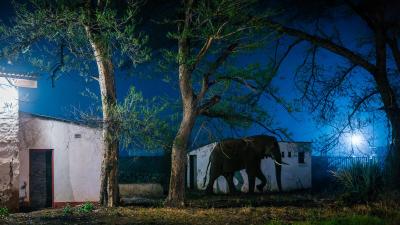
Other major threats to both African elephant species include the ongoing conversion and fragmentation of their natural habitats for agriculture, infrastructure development like roads, and other land uses.
African elephants are found in 37 countries in sub-Sahara Africa, with an estimated 70% in Southern Africa, 20% in Eastern Africa, 6% in Central Africa and 3% in West Africa.
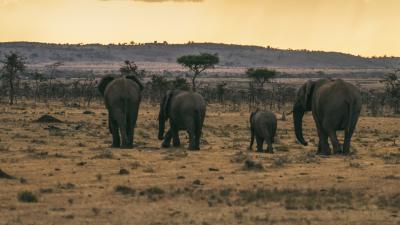
Elephants need a lot of land to find enough food and water. They can roam across more than 30,000 sq km, that's around the same size as Belgium, however, the space available to elephants in Africa has more than halved since 1979.
They’re still doing well in some protected areas, where numbers are even increasing, but in other places they’ve been forced to live in smaller, isolated groups and their numbers are getting dangerously low.
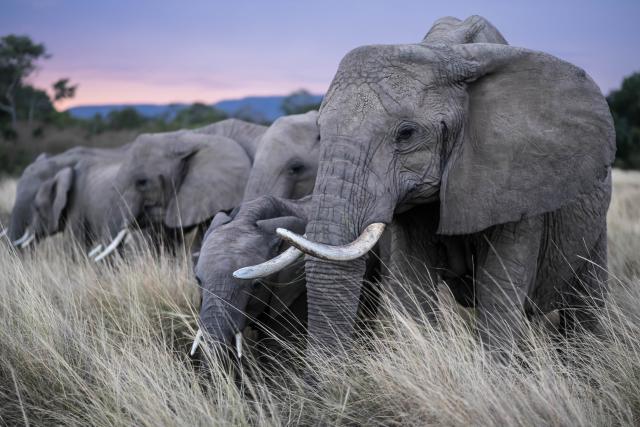
Why are they so important?
Elephants play an essential role in their environment. They're landscape architects – for instance as they move around and feed, they create clearings in wooded areas, which promotes new plant growth and allows forests to regenerate naturally. And then there’s seed dispersal. When elephants eat seed-bearing plants and fruits, the seeds often re-emerge undigested. It’s the way a lot of plants spread. And elephants can eat big seeds that small animals can’t.
Without elephants, the natural structure and functioning of their landscapes would be very different, which would have impacts on other wildlife and the people who share that space. Local people depend on natural resources found in shared elephant habitats, for example for food, fuel and income generation. As one of Africa’s wildlife ‘big five’, elephants are popular sightings for tourists and income generated through tourism is important for local economies. By helping protect elephants we’re also helping make sure their environment and its natural resources are available for generations to come.
Key facts about African elephants
What is the habitat of a African elephants?
African savanna elephants are found in 23 countries across Africa.[1]
Around 95% of African forest elephants are in central Africa with over 70% in Gabon and the Republic of Congo.[1]
How many African elephants are left in the wild?
There are around 415,000 elephants in the wild in Africa.[1]
How big are African elephants?
The African elephant is the world's largest land mammal – with males on average measuring up to 3m high and weighing up to 6 tonnes. That's around the same as 40 average humans (assuming 75 kg each).[2]
What do African elephants eat and drink?
Depending on the season and their habitat, elephants eat grasses, leaves, shrubs, fruits and roots. When it's particularly dry they will eat more woody parts of trees and shrubs like twigs, branches and bark.[3]
Elephants require up to 150kg of food per day, that around the same as eating 1,250 bananas - although half of this may leave the body undigested.[3]
What is the IUCN status of African elephants?
African savanna elephants are listed as endangered, which means they are at very high risk of extinction and their numbers are declining.[1]
African forest elephants listed as critically endangered which means they are at extremely high risk and their numbers are declining.[1]
Find out more about the IUCN Red List here.
Where do African elephants live?
Explore the map below to see the IUCN (International Union for Conservation of Nature) range data for African elephants. [4]
-
 © -
© - -
 © Jasper Doest / WWF
 -
 © Conor McDonnell/WWF-UK
How we're helping
We're doing all we can to help, from monitoring and understanding elephant movement and behaviour, to training community rangers and protecting habitat. In safeguarding elephants and people, we’re also helping support local communities through measures to reduce human-elephant conflict and initiatives to support local livelihoods. We need your help to protect them. We work closely alongside local partners, government agencies and communities in Africa and Asia to help protect and increase elephant populations by addressing key threats and supporting the coexistence of local communities and elephants. WWF’s elephant adoptions help support critical work including:
- Monitoring elephant populations including elephant surveys, field equipment and GPS tracking collars in key elephant ranges.
- Supporting training for community rangers and conservancy managers, such as on crime scene investigations, range and management, and human wildlife conflict response.
- Improving ranger welfare including the upgrade of living standards and supply of rations.
- Supporting the development and implementation of Kenya’s National Elephant Action Plan, which is critical to guide the country’s elephant conservation strategy.
- Helping restore and reconnect critical habitats for elephants and other animals to have space to roam and thrive.
- Funding vital research to guide conservation efforts.
- Helping tackle the illegal wildlife trade and reduce the demand for ivory and other wildlife trade products.
- Implement new technologies to improve elephant protection, and reduce human elephant conflict.

Sharing a landscape: supporting coexistence between people and elephants
With support from WWF-UK and funding from players of People’s Postcode Lottery, WWF-Kenya has joined forces with Kenya Wildlife Service and local communities to put the ‘Conflict to Coexistence’ strategy into action. This approach aims to protect people, wildlife, habitats, and livelihoods while fostering harmony between communities and nature.
Thanks to WWF-UK’s backing, WWF-Kenya has installed solar-powered elephant deterrent fences around a school and clinic on the edge of Tsavo National Park. These barriers help prevent dangerous encounters between elephants and people, safeguarding students and vulnerable community members. They also protect vital water sources and reduce the risk of retaliatory attacks on wildlife.
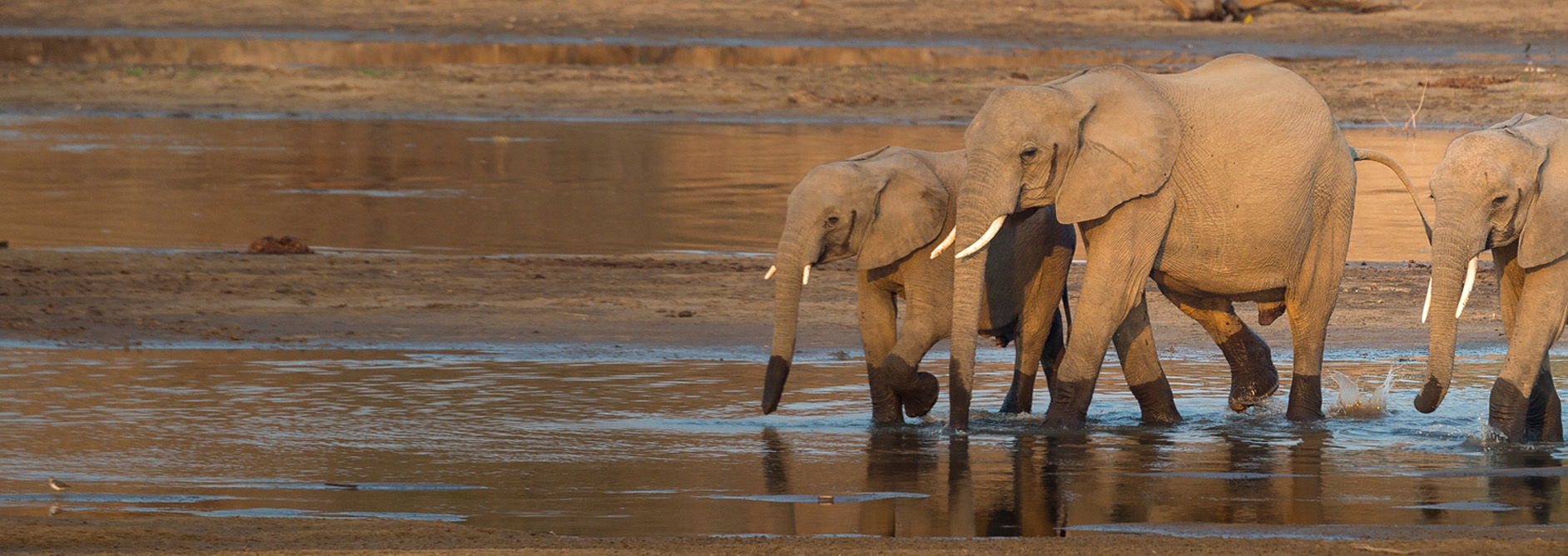
Adopt an elephant
Adopt an elephant
Your adoptions will help protect and reconnect elephant habitats and reduce illegal killings of elephants; and will help fund our vital work around the world. When you choose an animal adoption, you are supporting both your chosen animals as well as wider work to help bring our world back to life.
We also recommend

Go Wild - WWF's Club for Kids
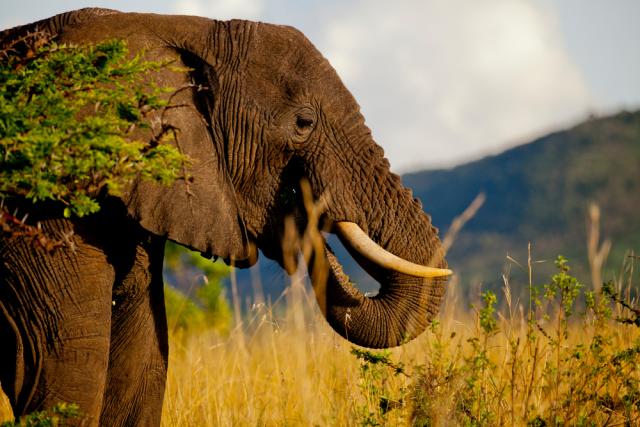
10 Facts about elephants
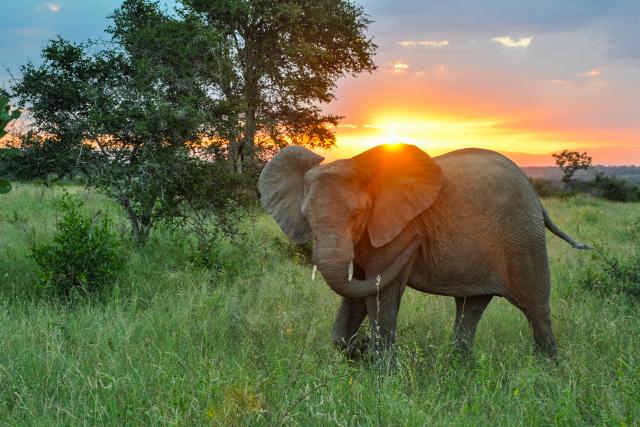
Take an elephant quiz
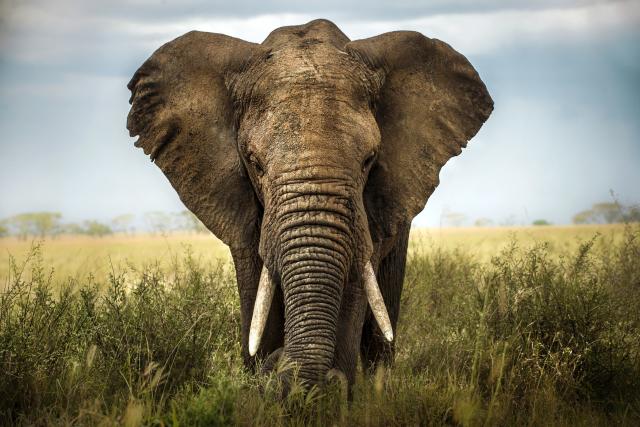
World elephant day - 12 August
Sources
- IUCN SSC African Elephant Specialist Group 2021. Loxodonta africana. The IUCN Red List of Threatened Species. Version 2025-1. https://www.iucnredlist.org. Downloaded on 05/08/2025
- David Macdonald Encyclopaedia of mammals (& African elephant specialist group)
- Gobush, K.S., Edwards, C.T.T, Balfour, D., Wittemyer, G., Maisels, F. & Taylor, R.D. 2021. Loxodonta africana (amended version of 2021 assessment). The IUCN Red List of Threatened Species 2021: e.T181008073A204401095. https://dx.doi.org/10.2305/IUCN.UK.2021-2.RLTS.T181008073A204401095.en. Accessed on 21/08/24
- Wilson DE & Mittermeier RA eds (2009). Handbook of Mammals of the World, Vol 2 Hoofed Mammals