
World Bee Day - 20 May
Discover more about these incredible little creatures.
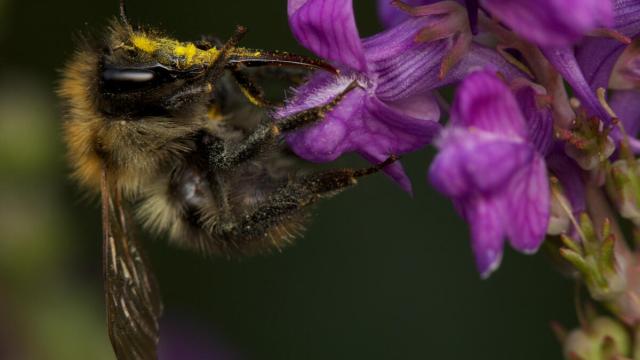
On this day we celebrate bees
To celebrate World bee Day, we’d love to invite you to learn more about these busy insects and join us by discovering fascinating facts and reconnecting with these vital little workers.
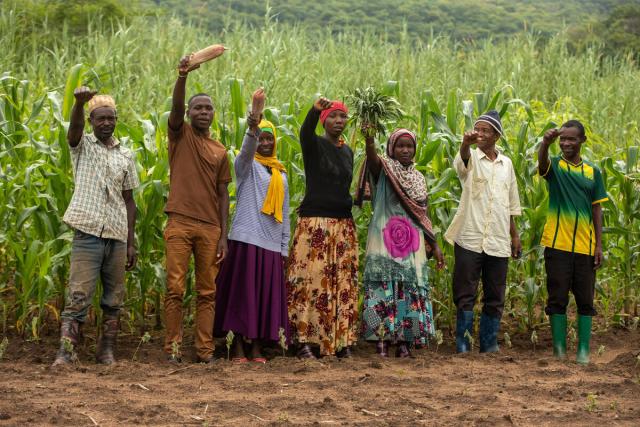
Beehold – the mighty power of the tiny bee!
In the Southern Tanzania and Northern Mozambique, bees are playing a key role in improving human-wildlife coexistence.
Home to elephants, wild dogs, lions, and more, the Ruvuma Transboundary Landscape is one of Africa’s largest most in-tact natural habitats. The landscape is also home to over 8 million people – and where wildlife and people live in proximity, conflict can arise.
‘In recent times, especially in the Ruvuma landscape, human-wildlife conflict, particularly involving elephants has become a major challenge.’ – Deogratius Kilasara, Project Officer, WWF-Tanzania.
Human-wildlife conflict can seriously impact livelihoods, and tolerance for wildlife. Elephants can damage crops and property, and can be a threat to human safety. Community members may then retaliate against elephants.
That’s where the bees come in!

“Farmers used to cultivate large fields but harvested very little because wild animals invaded and destroyed the crops. But now with [beehive and chilli] fencing around farms, animals can’t easily enter and this has improved yields significantly.”
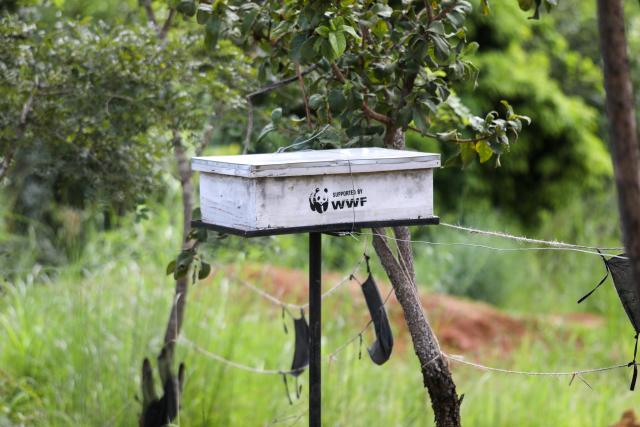
Despite their strong stature, elephants fear bees.
While a bee sting cannot penetrate an elephant’s thick hide, a swarm of bees can hurt an elephant when they target more sensitive areas, like the skin around the tip of their trunk.
With funding from the UK Government’s Darwin Initiative, WWF is working with local communities and partners SWISSAID Tanzania and UniLúrio, in the Ruvuma Landscape to prevent, manage and respond to human-wildlife conflict, and work towards coexistence. Part of this work involves the use of elephant deterrents including beehive fences and chilli fences (elephants have sensitive noses, the smell of chilli repels them!).
In the Mozambique project site, chilli fences and beehive barriers now protect a 600m perimeter across seven farms in Matchedje, and 100m of the Segundo Congresso agroecology plot - that's over 40 beehives in action! Since installation, there have been zero incidents of crop damage by elephants across these farms (despite nearby elephant movements), and honey production from the hives is shared with communities. According to a local village leader, he witnessed an elephant approach the beehive fence and when it detected the bees it turned around moving away from the farm.
In Tanzania, beehive fences have been installed around agroecology plots in Mandela Village (25 hives) and Misayje (30 hives). Since their installation, combined with other deterrents such as chilli fences, no elephant-crop raiding incidents have occurred at these sites for the past two years.
Take a moment to learn about bees
Facts and tips
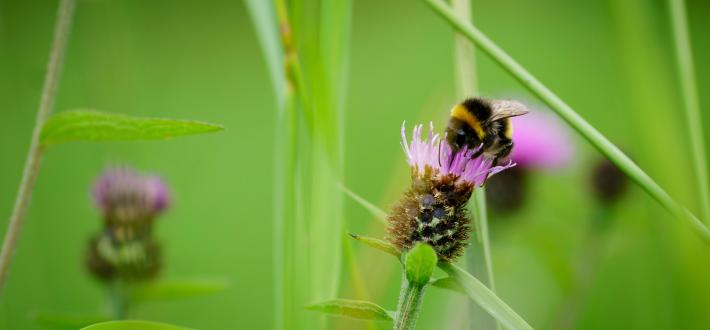
Be more bee: A glimpse into the life of a bee
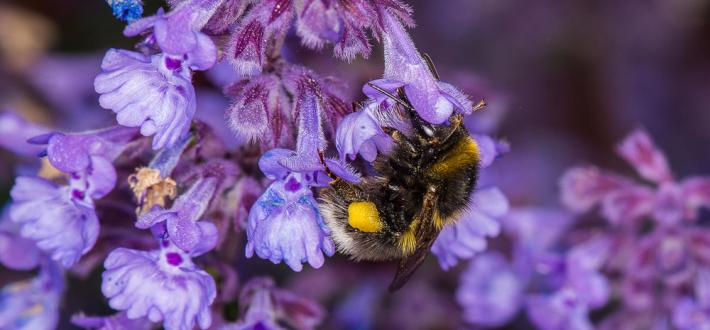
Why bees matter
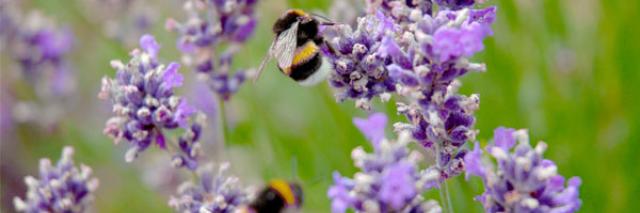
Top tips for helping bees
Bee day Activities
-
 © WWF-UK
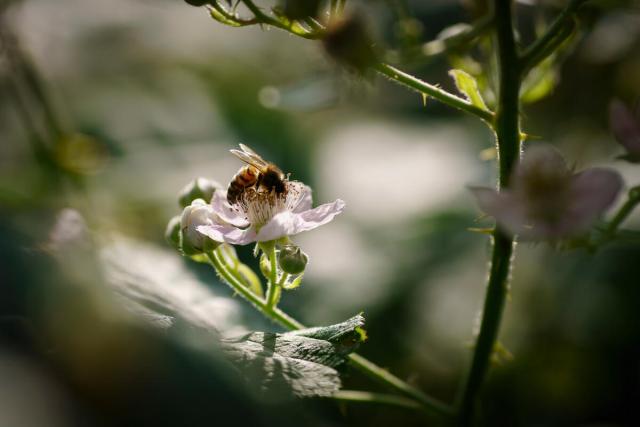
Sow seeds with kids
MoreClose Give bees a boost by planting as many different wildflowers wherever you can!
-
 © Paul Rogers / WWF-UK
Identify bees in nature
MoreClose See how many different species you can spot using out spotter sheet.
-
 © Ola Jennersten / WWF-Sweden
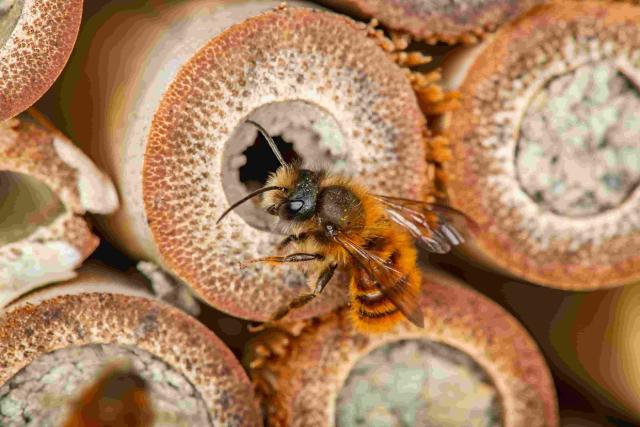
Bee hotel
MoreClose Buy or make a bee hotel for your garden or outside space.
-
 © Greg Armfield / WWF-UK
Help wildlife in the heat
MoreClose Rising temperatures are making life tougher for wildlife, find out how you can help the nature in your garden this summer
/
We also recommend
Bees under siege report