Bringing wales back to life
Our four key themes and actions for the new Welsh Government.
Our politicians have not done enough
Welsh nature and climate is suffering.
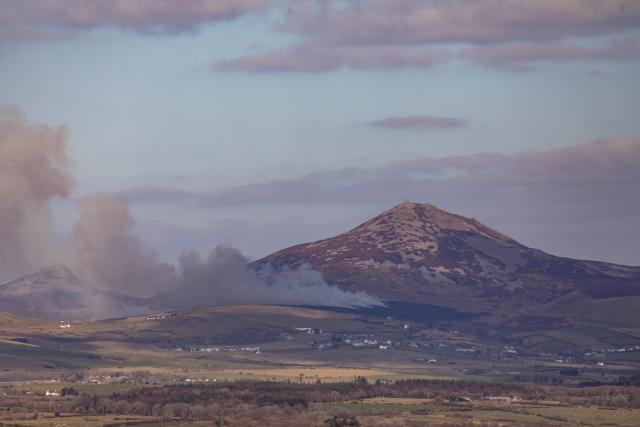
More floods, droughts, wildfires, and growing food insecurity are all impacting food production and the cost of living for families.
But one government after the other have missed vital opportunities to make progress - breaking promises, delaying or watering down changes.
Wales is off-track to deliver a 58% reduction in greenhouse gas emissions by 2030, net zero emissions by 2050, and halting and reversing nature loss by 2030 as promised in global biodiversity agreements.
Extreme weather events made worse by climate change, like droughts and flooding costs Welsh farmers tens of millions of pounds each year, and the impact of climate change in 2022-23 increased the average household food bill in the UK by £361 (Energy and Climate Intelligence Unit).
The world faces a triple challenge
Wales deserves a vibrant economy, clean air, unpolluted water and a reliable supply of nutritious, affordable food. Nature is essential to our survival, we all depend on it – for food, water, air and raw materials, yet species and habitats are disappearing at alarming rates, largely due to how we produce food.
The world faces a triple challenge: preventing climate change, reversing the loss of nature, and ensuring people have enough healthy food to eat.
The connection between these three things means that if we meet this challenge, we will not only restore nature and protect it for future generations, we will also;
- create new green jobs;
- secure the future of food production;
- build our resilience to the impacts of climate change;
- and tackle growing rates of obesity and food poverty.
Our series of podcasts and webinars 2026
Working in collaboration with the Institute of Welsh affairs, we've developed a series of podcasts and webinars exploring the themes of healthier seas, greener jobs and economy, clean rivers and fairer food and farming.
Watch and listen below.
-
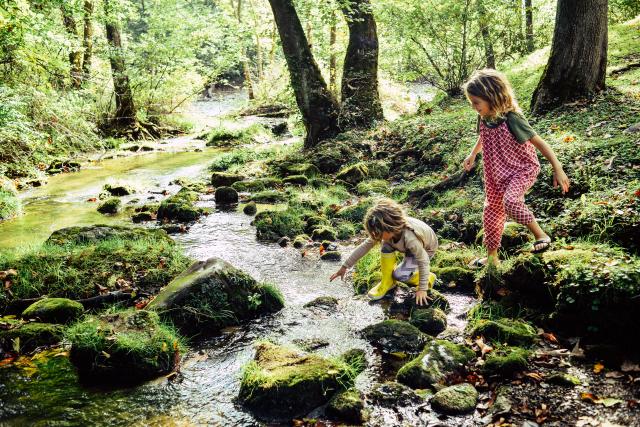 © istock / Lisa5201
Cleaner rivers
MoreClose This webinar looked to both understand what actions are underway to reduce pollution, and what more needs to be done in policy and regulations.
We also looked to the experience of local communities and learn how those communities are taking action. On the panel were:
Gail Davies-Walsh - CEO, Afonydd Cymru
Kate Strong - Community Leader, Taff Tidy
Rhodri Lloyd-Williams - Moelgolomen Farm
Steve Wilson - Chief Operations Officer, Dŵr Cymru
-
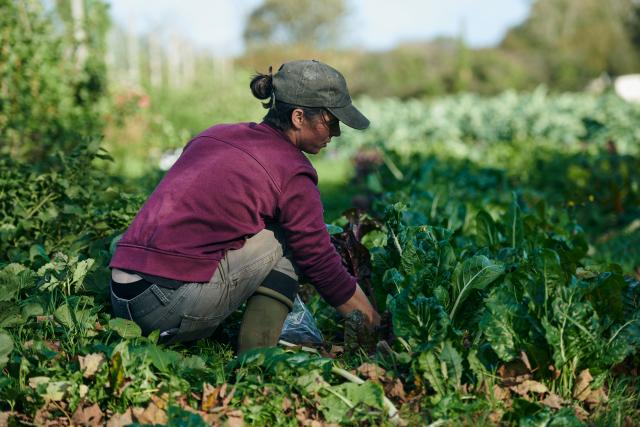 © Aled Llywelyn / WWF Cymru
Fairer food and farming
MoreClose In this podcast episode, we discuss how we can transition to a fairer, more resilient food system in Wales alongside: restaurateur and food policy advocate Simon Wright; farm business owner Aled Evans; and Alexander Phillips, Policy and Advocacy Manager at WWF Cymru.
-
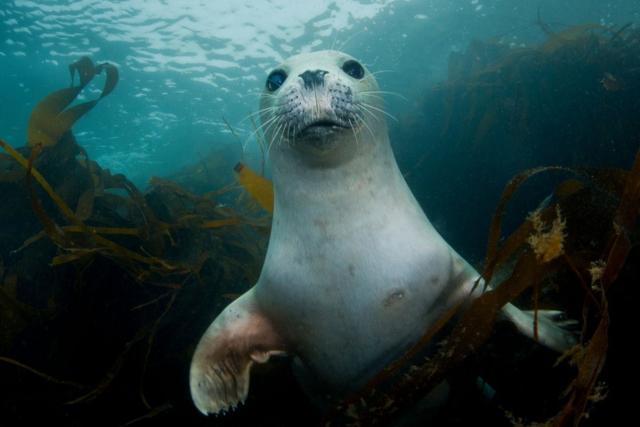 © naturepl.com / Alex Mustard / WWF
Healthier seas
MoreClose How do we create healthier seas in Wales? A brilliant podcast discussion between:
Lizzie Daly - Scientist and wildlife host
Dr Leanne Cullen-Unsworth - CEO of Project Seagrass
Shea Buckland-Jones - Head of Policy and Advocacy at WWF Cymru.
-
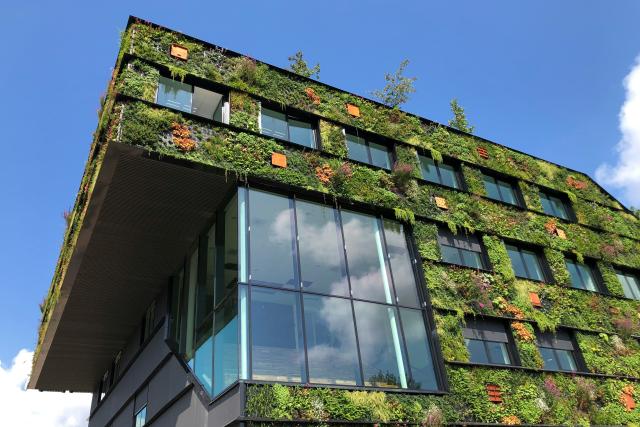 © jwvaneck / Unsplash
Delivering a nature positive, climate resilient economy
MoreClose This webinar brought together a panel of experts to identify priority recommendations for the next Welsh Government and for businesses.
Calvin Jones - Professor at Cork University Business School and Director of Jones the Numbers
Gareth Clubb - Director, WWF Cymru
Michelle Leavesley - Chief Sustainability Officer, Admiral
Shav Taj - General Secretary TUC Cymru
/
Four things to bring Wales back to life
Cleaner rivers
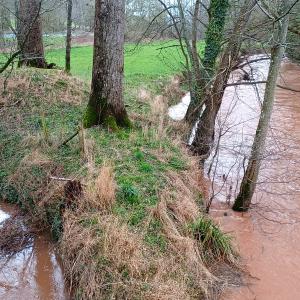
The next Welsh government must prioritise urgent action to bring our rivers back to life through restoring ecosystems and preventing all sources of river pollution, focusing on the biggest two: agriculture and sewage.
Three urgent actions for the next Welsh government:
-
 © Afonydd Cymru
Environment Bill
The new Environment Bill in Wales should be used to set specific targets to cut water pollution, monitor all rivers and water bodies yearly by 2030, and protect nature in line with global targets.
A funded action plan should support local efforts to meet these goals and hold decision-makers accountable.
-
 © Shutterstock / David Tadevosian / WWF
Enforcement
Pollution rules must be properly enforced, with serious and repeat offenders prosecuted. Stronger oversight is needed, including tighter rules for large livestock and poultry farms and better planning to stop too many of them from harming rivers.
-
 © Richard Edwards
The Sustainable Farming Scheme
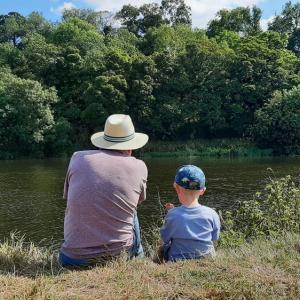
The Sustainable Farming Scheme should help improve river health by restoring and expanding riverbanks to reduce pollution and flooding, and by supporting farming methods that restore healthy soil.
All funded actions should also help meet the environmental goals set in the new Environment Bill.
/
Healthier seas
The next Welsh Government must take bold action to improve the health and future of our marine habitats. Our seas support vital industries such as fishing, tourism, offshore energy and shipping, as well as being deeply embedded in our cultural heritage.
Restoring our seas to health is good for communities, wildlife and climate.
Three urgent actions for the next Welsh government:
-
 © Lewis Jefferies / WWF-UK
A strong recovery plan
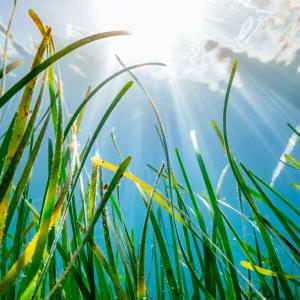
Protect and restore ocean habitats that store carbon, by creating a strong recovery plan backed by law and funding.
This should include stopping pollution from land and rivers, supporting local communities, and fully delivering the National Seagrass Action Plan.
-
 © Shutterstock
Improving the marine licensing system
Restore and protect Welsh ocean habitats by improving the marine licensing system. Seagrass and saltmarsh should also be added to Wales’ carbon tracking to help monitor their role in fighting climate change.
-
Welsh Marine Conservation Zones
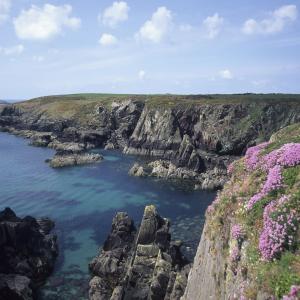
Finish creating a full network of Welsh Marine Conservation Zones to protect ocean habitats and marine life from harmful activities.
This should include better planning for our sea, considering blue carbon and habitat restoration areas, completing impact assessments and limiting actions that damage these vital ecosystems.
/
Greener jobs and economy
The next Welsh government must prioritise transforming the economy, jobs and decision-making processes, so they improve the lives of current and future generations.
Three urgent actions for the next Welsh government:
-
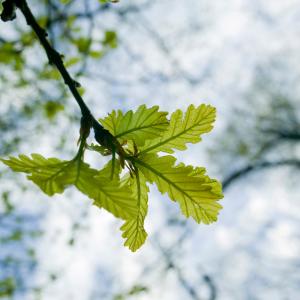 © Global Warming Images / WWF
Plug the funding gap
Create a clear urgent plan to plug the funding gap for nature projects and make sure future government spending helps Wales meet its climate and nature goals.
-
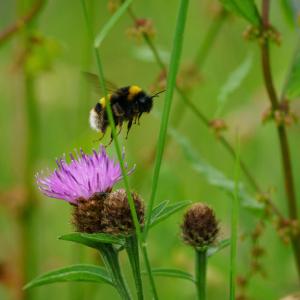 © Paul Rogers / WWF UK
Bring in private funding
Work with banks and businesses to bring in private funding that helps farmers switch to nature-friendly methods.
This will support nature, protect against climate impacts, and strengthen farm businesses. New markets for nature and carbon should also be fair and reward those who care for the environment.
-
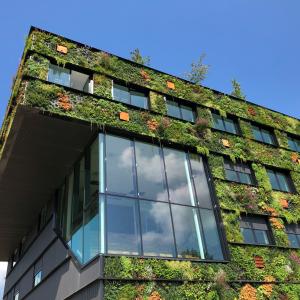 © jwvaneck / Unsplash
Moving to a greener future
Grow Nature Service Wales to help more people learn about nature, gain green skills, and get involved in protecting the environment.
This will also open up access to green jobs and support communities through moving to a greener future.
/
Fairer food and farming
The next Welsh Government must fix the food system so it meets our health needs, reduces food poverty, and gives farmers and producers a fair deal. Farmers and seafood industries should be supported to restore nature and fight climate change while providing healthy food for Wales.
Three urgent actions for the next Welsh government:
-
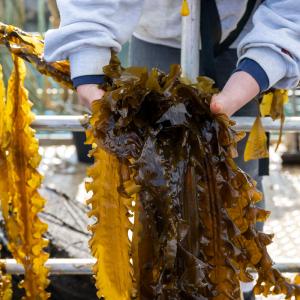 © Matt Horwood / WWF-UK
Regenerative ocean farming
Regenerative seaweed and shellfish farming can boost Wales’ economy and help nature.
The government should create a National Plan to support this by removing red tape, creating training, mentoring and market opportunities, and offering financial help to grow the industry.
-
 © Aled Llywelyn / WWF Cymru
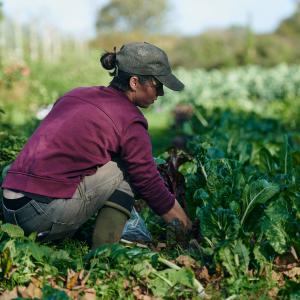
Nature friendly farming
The new Sustainable Farming Scheme should reward and, when needed, require farmers to use nature- and climate-friendly methods like agroecology or agroforestry. This includes:
- all layers of the scheme being fully operational by 2026,
- at least half of scheme funding being allocated to the optional layer by 2030 to deliver more for nature,
- support to meet national tree planting targets,
- more money for nature-based solutions to flooding and drought,
- better advice and training,
and phasing out deforestation linked imported animal feed like soy and palm oil.
-
 © Aled Llywelyn / WWF Cymru
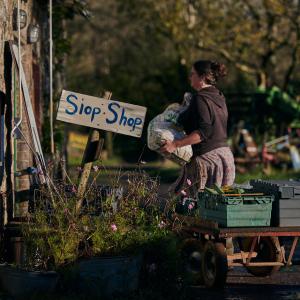
Connecting what we grow with what we eat
Create a Wales National Food Resilience Plan that supports local food, encourages healthy eating, and connects what we grow with what we eat.
This includes more Welsh produced organic fruit and vegetables resulting in;
healthier school meals,
ethical food buying by public bodies through certification such as Organic or Fairtrade,
better embedding food into the Well-being of Future Generations Act, and better access to land for communities to grow their own food and be part of Sustainable Food Partnerships locally.
/
Meeting our 2030 commitments
Meeting our 2030 commitments
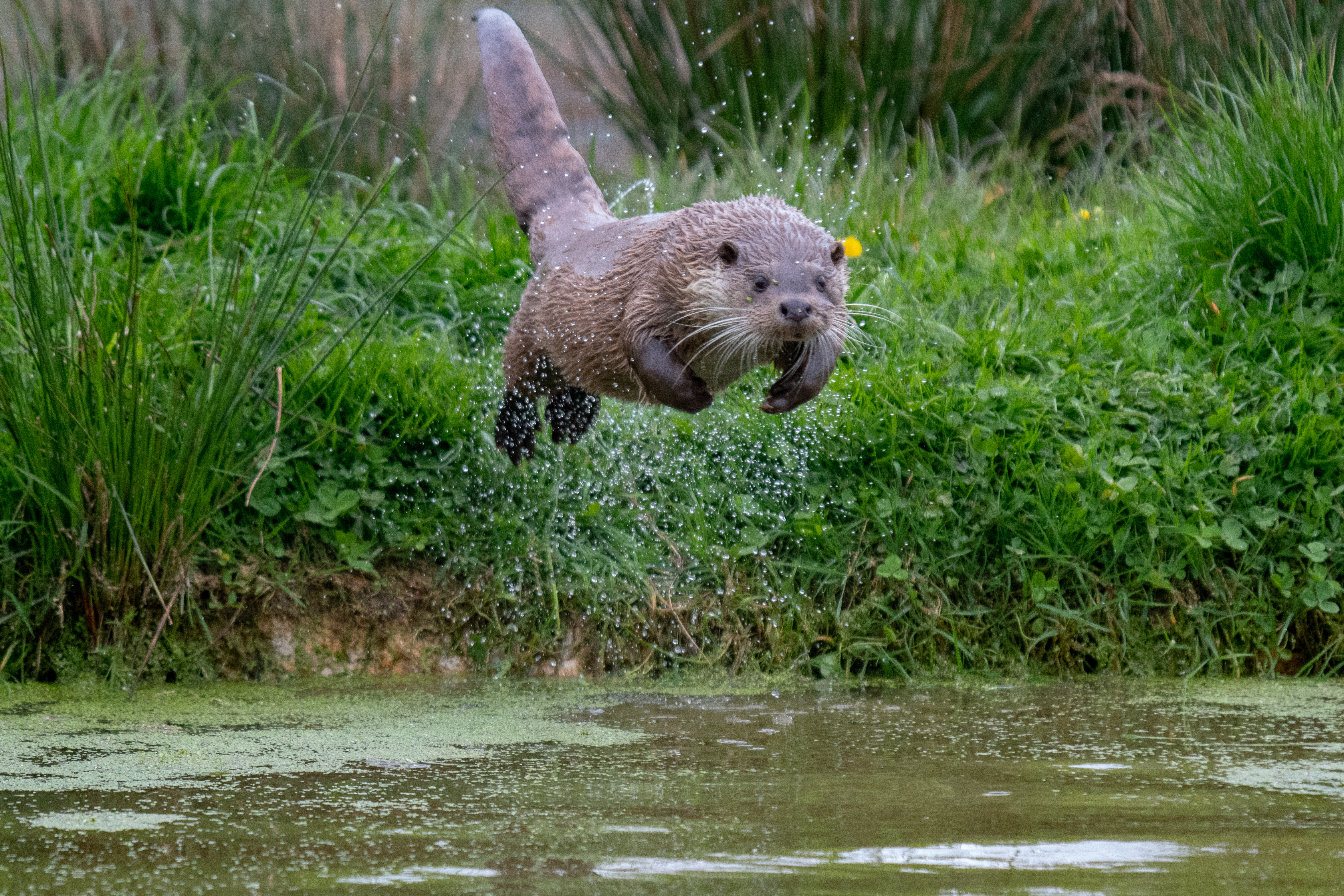
One government after the other have missed vital opportunities to make progress. The 2026 Senedd term is the final countdown to meeting our 2030 commitments.
This is our final chance to act. Wales deserves leadership that delivers, not delays. It’s time to bring our land, rivers, and seas back to life—for nature, for people, and for future generations.