
Mountainous environments
Awe-inspiring and easy to love – mountains offer a huge range of environments for wildlife and people.
Why mountain environments are so important
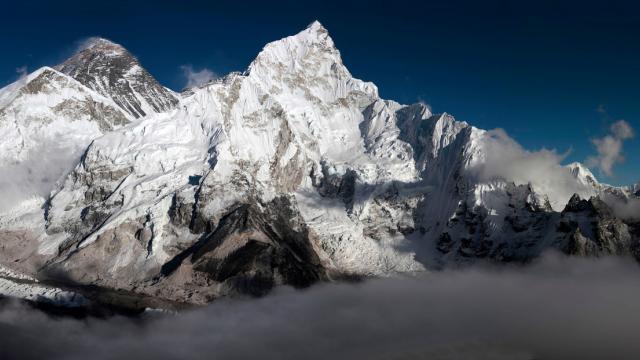
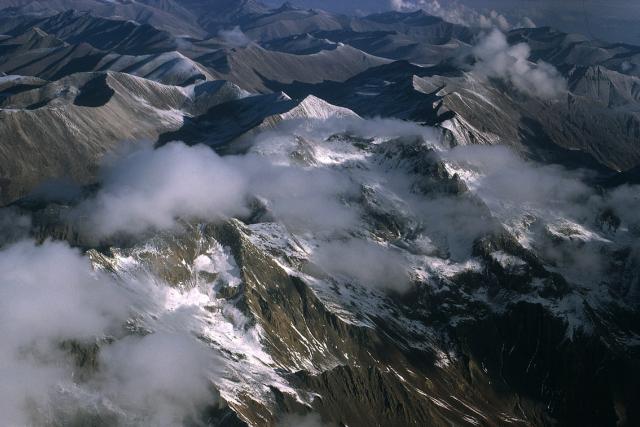
What a flat, dull place the world would be without mountains. Formed over millions of years by relentless movements of the planet's crust, squeezing and lifting land upwards to the sky, mountain ranges make up about a fifth of the Earth's surface.
With their ever-changing weather, ravaging winds and freezing temperatures, mountains provide very different environments and unique wildlife that's adapted to live life on the craggy slopes, barren snow-caps or alpine meadows.
Some mountains have permanent coverings of ice and snow – the Himalayas have more ice than anywhere outside the polar regions (they’re sometimes called the ‘third pole’).
In many places, people depend on mountains for water – either coming from melting snow or ice or from mountain springs feeding rivers - but surviving the often the harsh climate of mountains can be tough and it can be hard to grow enough food.
Despite their formidable and awe inspiring physicality, these are some of the most fragile habitats on the planet. Harsh climates, thin soils and steep gradient make it so very hard for plants and animals to live here. Relatively small changes or unexpected events such as unusually heavy rains, earth tremors, or over exploitation of land, can give rise to major physical events such as land slides and flash floods, bringing havoc to people, biodiversity and the mountain environment itself.
Climate change is the emerging threat that’s adding to the other pressures faced by mountain environments.
Mountainous environments we're working in
-
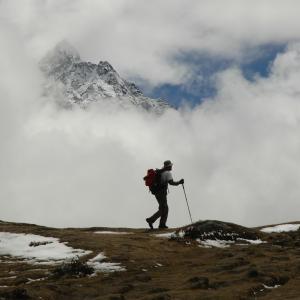
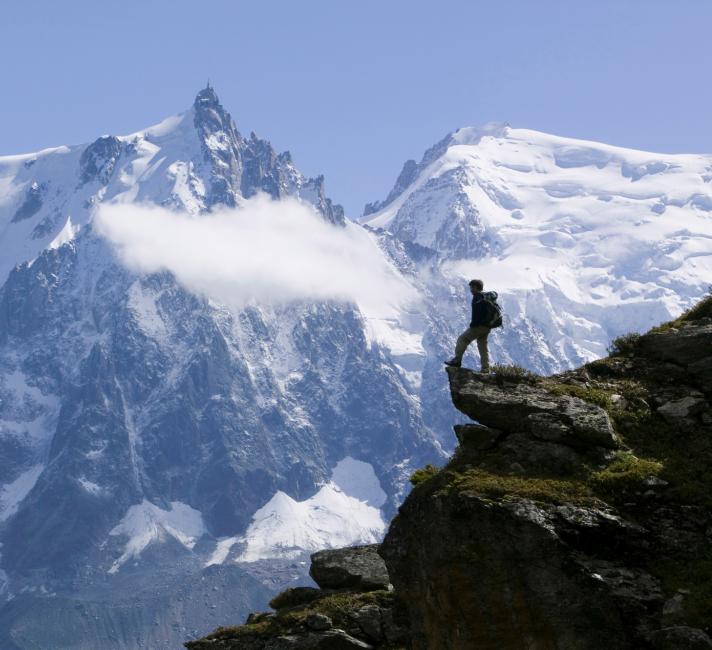
The awe-inspiring landscapes of the Eastern Himalayas
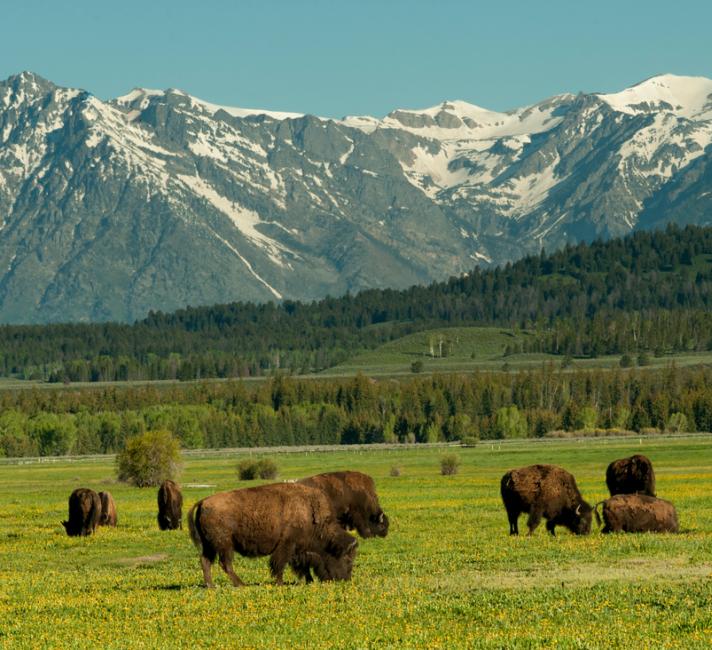
This awe-inspiring landscape ranges from subtropical jungle to high alpine meadows and snow-covered mountains.
/
-
 © WWF / Richard Stonehouse
 -
Wildlife that live in mountain environments
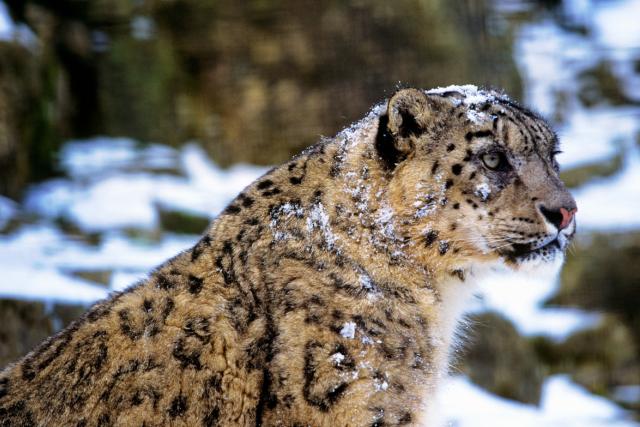
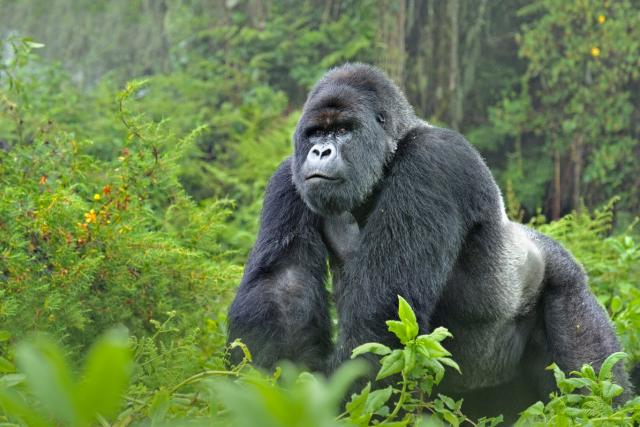
Mountains are home to some of our planet’s most iconic species. The eastern Himalayas, for instance, is home to red pandas and the higher mountains shelter elusive snow leopards. But the species that live here must be able to adapt to the harsh and fragile environments that they live in.
-
 © David Lawson / WWF-UK
Snow leopards
-
 © Andy Rouse
Mountain Gorillas
/
How we're helping within mountain ranges
-
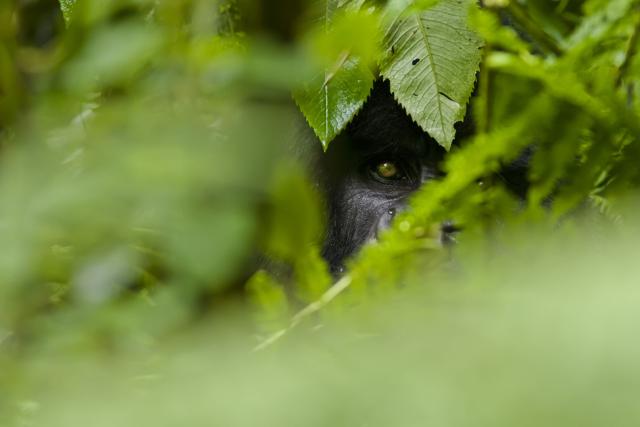
Making tourism work for mountain gorillas and people
MoreClose It’s vital that the growing number of tourists doesn’t negatively impact the gorillas. So we’re promoting good practices for gorilla tourism operators.
-
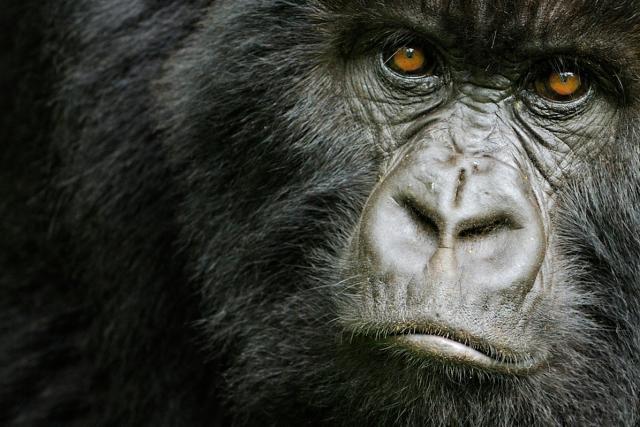
We're counting mountain gorillas
MoreClose On an approximately five-year cycle, we help to census the remaining mountain gorilla populations, giving an estimation of numbers and distribution.
-
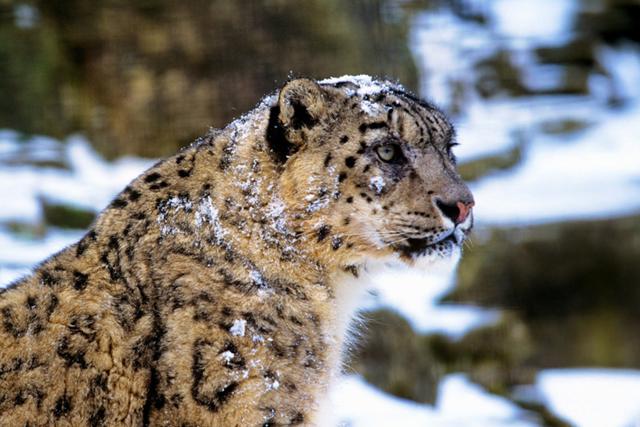
Supporting people to support snow leopards
MoreClose We’re working with communities in the high mountains of China, India and Nepal to help protect snow leopards and other wildlife.
-
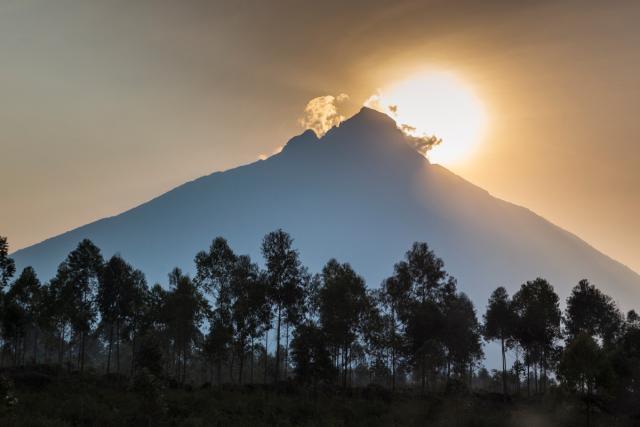
How we're holding the line in Virunga
MoreClose We’re calling for all oil companies to stay out of Virunga National Park, and for the government to cancel all permits to explore for oil in the area.
-
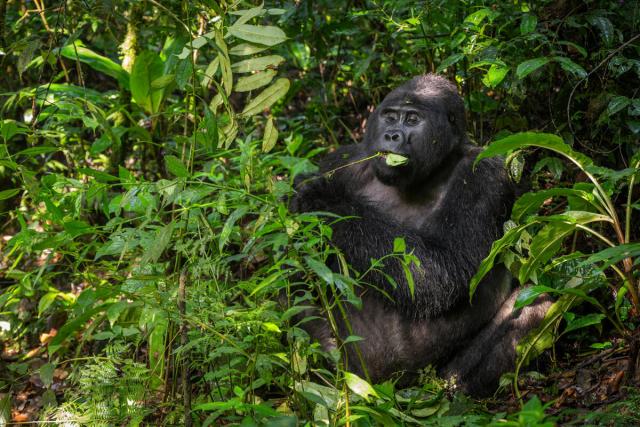
Working to protect mountain Gorillas
MoreClose It’s vital that the growing number of tourists doesn’t negatively impact the gorillas. So we’re promoting good practices for gorilla tourism operators.
-
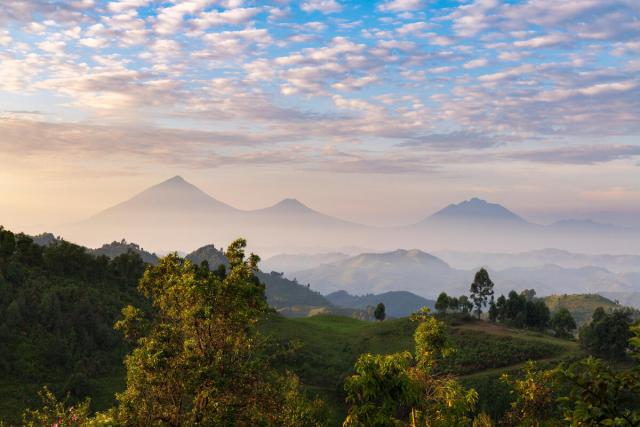
Zero Poaching in the Greater Virunga Landscape
MoreClose WWF is collaborating with local partners to strengthen efforts to address illegal wildlife trade in the Greater Virunga Landscape.
-
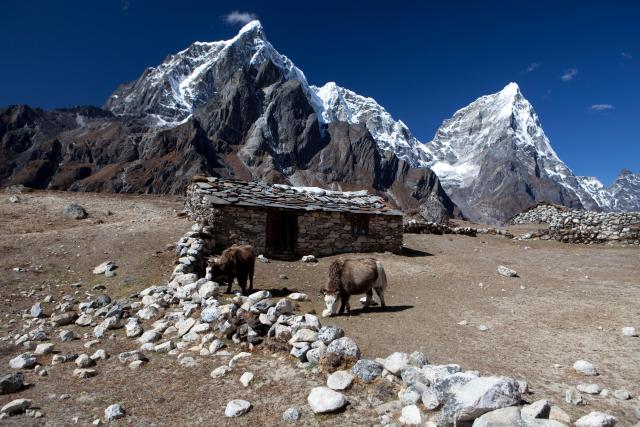
Reviving faith leadership in Nepal
MoreClose In collaboration with WWF-Nepal, we’re helping to revive traditional stewardship and sustainable healthcare to restore Nepal’s resilient mountain communities.
/