
World Wildlife Day
On World Wildlife Day, 3 March, we're celebrating our incredible natural world and the remarkable places that we call home.
Here at WWF, every day is World Wildlife Day. We are working hard with partners, Indigenous peoples and local communities to bring our world back to life.
Why is World Wildlife Day so important?
We have so much to celebrate when it comes to our natural world. Over the years, we have seen habitats restored and species brought back from the brink.
Sadly, nature is still being lost at an alarming rate. Global wildlife populations have declined, on average, by 73% since 1970. This is a stark reminder that there is more we must do to turn things around.
WWF Success Stories
We are already working hard to protect our world. Discover a handful of WWF projects that are making a difference.
-
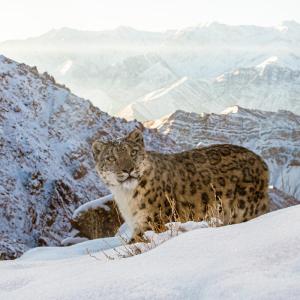 © Sascha Fonseca / WWF-UK
Successful snow leopard population survey in Nepal
WWF supported the first snow leopard conservation survey in Kanchenjunga Conservation Area (KCA) in seven years. Data from camera traps placed in 49 locations spanning 800 sq km revealed KCA is home to 13 snow leopards. These findings provide critical insights into the big cats’ population status to guide future conservation efforts.
-
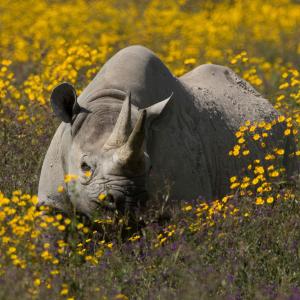 © Steve Morello / WWF
Black rhinos on the up
Kenya's black rhino population has more than doubled, from fewer than 400 in the 1980s to over 1000 today. Kenya is now halfway to reaching its goal of 2,000 black rhinos by 2037. WWF has supported black rhino conservation in Kenya since the early 1960s and has supported the development of Kenya's Black Rhino Action Plan for 2022-2026, which will continue to guide ongoing conservation efforts in the coming years.
-
 © WWF-China
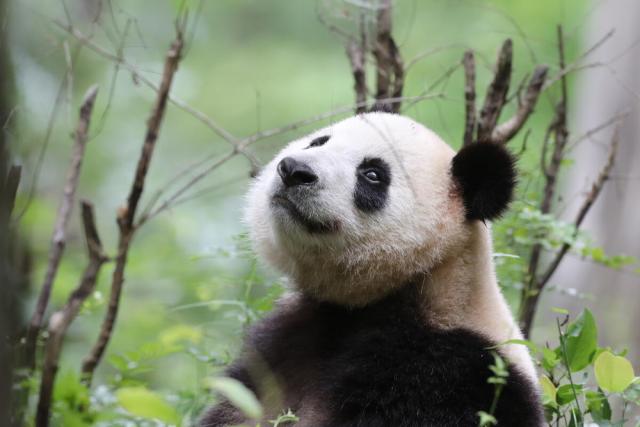
Building panda dens
WWF is working with local partners to trial an innovative solution to address the impact of historical logging on panda habitats: artificial dens for pandas to use as safe birthing sites. WWF has supported the setup of 20 of these dens in Dujiangyan - a protected area in China Giant Panda National Park. Following promising initial trial findings, the dens have been improved to enhance their ability to block water and wind, and the trial site has been expanded to Daxiangling mountain range.
-
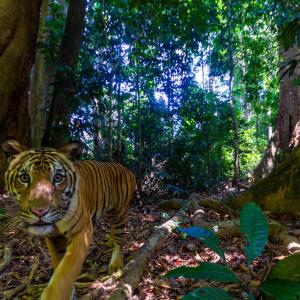 © Emmanuel Rondeau / WWF-US
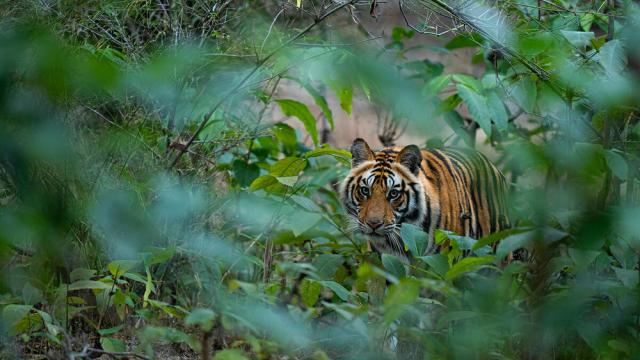
Tigers roar back
Achanakmar Tiger Reserve was once a vital corridor in Central India, but has deteriorated over recent decades. By 2023, tiger numbers had fallen to just five. WWF-India is working with the Chhattisgarh Forest Department to create conditions for tiger recovery, helping to secure a future for wild tigers across their historic range, in coexistence and in partnership with Indigenous Peoples and local communities. India’s tigers are now making a remarkable comeback in many tiger reserves, successfully doubling their numbers – amid some of the highest human population densities in the world.
-
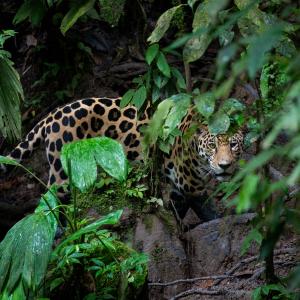 © Karine Aigner / naturepl.com / WWF
Jaguars and indigenous people
The forests and communities of Chiquitanía, Bolivia, face mounting threats from increasingly frequent and intense forest fires, worsened by climate change and unsustainable land use. Fires in 2024 reduced the number of recorded individual Jaguars from 9 to 5. WWF-Bolivia and the Autonomous Departmental Government of Santa Cruz joined forces in a strategic alliance to carry out the pilot project “Communities Prepared Against Forest Fires”, with the aim of strengthening the resilience of the territory and communities against future fires. This pilot project demonstrates that - if we work together, forests can heal.
/
Species from around the world
Here are some fascinating facts about a handful of incredible species that we support at WWF.
-
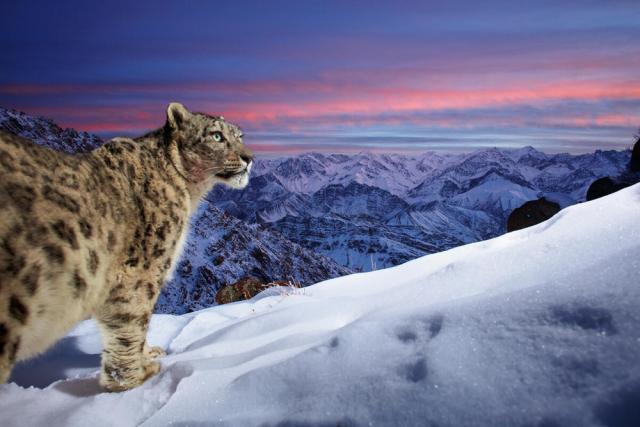 © Sascha Fonseca / WWF-UK
Snow leopards
MoreCloseDespite being called the snow 'leopard', this big cat is more closely related to the tiger than the leopard. Unlike other big cats, snow leopards can’t roar. As well as spitting, hissing and growling, snow leopards make a soft ‘prusten’ greeting call – a bit like the snorting of a horse. This is used as a friendly greeting call, or for reassurance. Snow leopards have a 'main' call described as a 'piercing yowl' that's so loud it can be heard over the roar of a river.1
-
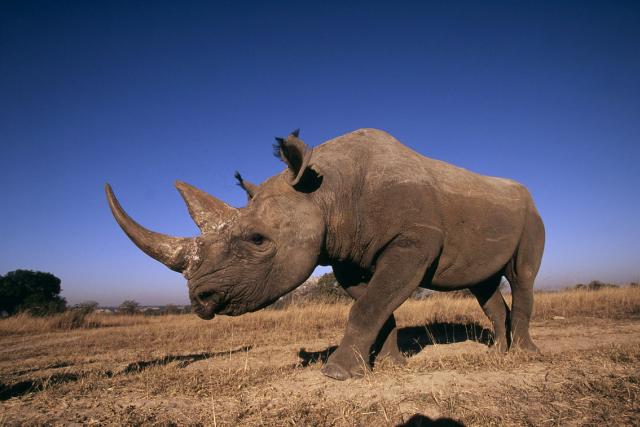 © Martin Harvey / WWF
Black Rhino
MoreCloseBlack rhinos have a characteristic, pointy prehensile upper lip used to 'pluck' vegetation from trees and bushes.2 Black rhinos snort when angry and make sneeze-like calls as alarms.3 Rhino horn is made up of keratin - the same protein which forms the basis of our hair and nails.4
-
 © Reserve Shutterstock BhasmangMehta WWF-International
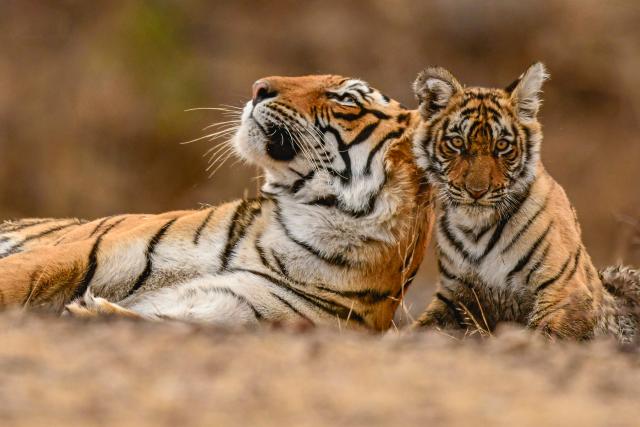
Tigers
MoreCloseTigers are excellent swimmers. They have been known to swim between islands in the Sunderbans. 4 The vocal repertoire of tigers is vast - they grunt, growl, roar, moan, snarl, chuff, hiss and gasp. It's thought that each vocalisation is used to communicate different things.5
-
 © Brett Gainer
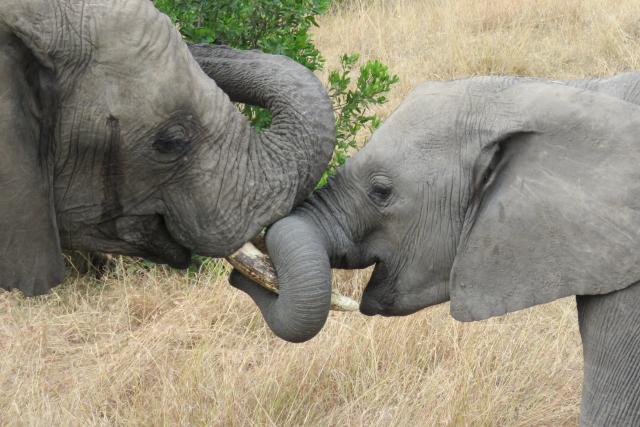
African Elephant
MoreCloseThe folds and wrinkles in an elephant's skin can retain up to 10 times more water than flat skin does. This helps to cool them down. The African elephant is the world's largest land mammal – with males on average measuring up to 3m high and weighing up to 6 tonnes.6
-
 © WWF China
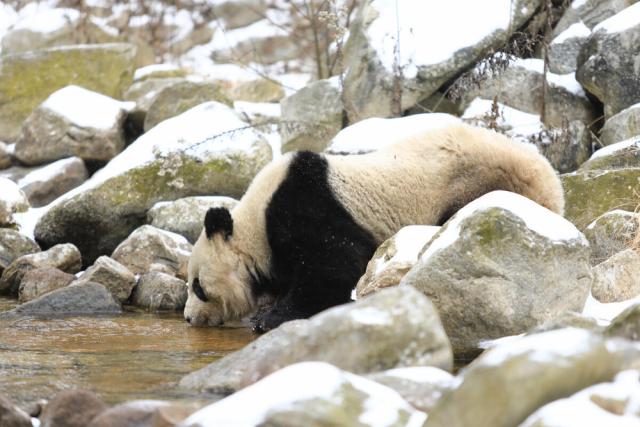
Giant Panda
MoreCloseSometimes, to mark their scent, pandas climb a tree backwards with their hindfeet until they're in a full handstand upside down - enabling them to leave their scent higher up.7 When startled, excited, or to advertise their presence, giant pandas emit a high intensity 'bark'.8
-
 © Brent Chambers
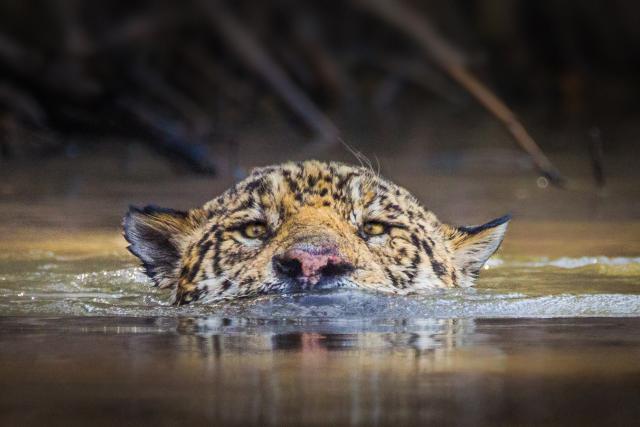
Jaguar
MoreCloseWhen there are plenty of females around, male jaguars sometimes form coalitions; patrolling and marking territory together, invading territories of other males, and sharing prey.9 Jaguars have a more powerful bite than any other big cat – the big cat can bite through the thick hides of crocodilians and the hard shells of river turtles.10
/
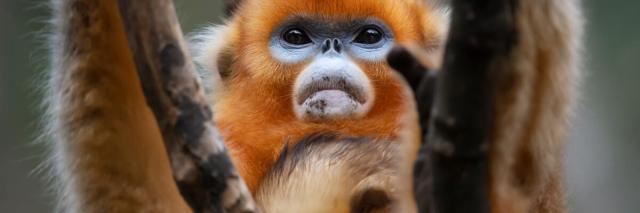
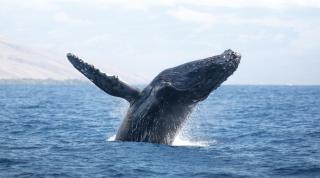
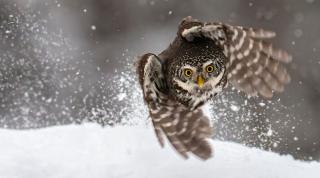
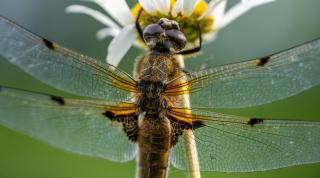
Wild Co-Stars - that flourish from conservation
Our natural world
-
© Alessandro Sgro / WWF
-
© wildlifewitholly / WWF-UK

-
© Olli Immonen / WWF
-
© Joseph Gray / WWF-UK
-
© Anup Shah / naturepl.com
-
© Naturepl.com / Juan Manuel Borrero / WWF

-
© Karen Steward

-
© Ola Jennersten / WWF-Sweden
-
© naturepl.com / Dave Watts / WWF
-
© Jiri Rezac 2006

-
© Wim van Passel / Timeless Moments
-
© Chris Johnson / WWF-Aus

-
© Joshua Harris / WWF-UK
-
© Ola Jennersten / WWF-Sweden

-
© Casper Douma / WWF

/
We also recommend
-
 © WWF-UK
Take action for our world
Find out what you can do -
 © Shutterstock / Tsuguliev / WWF
Earth Hour
Find out more -

What your business can do
Explore more
/
Sources
[1] Source: Snow Leopard Trust https://snowleopard.org/snow-leopard-facts/behavior/
[2] International Rhino Foundation | About Rhinos https://rhinos.org/about-rhinos/rhino-species/black-rhino/
[3] Wilson DE & Mittermeier RA eds (2009). Handbook of Mammals of the World, Vol 2 Hoofed Mammals
[4] Macdonald. D (Ed) Encyclopaedia of Mammals.1995 Andromeda Oxford Limited
[5] Walsh et al. (2003) Accoustic Communication in Panthera tigris: A study of Tiger vocalization and Auditory Receptivity. Architectural Engineering - Faculty publications, Paper 38 & Wilson, D.E. and Mittermeier, R.A. (2009) Handbook of The Mammals of the World: Carnivores.
[6] Wilson, D.E. and Mittermeier, R.A. (2009) Handbook of The Mammals of the World: Hooved Mammals
[7] EAZA Bear TAG (2024). All About Ursidae: Bear Educational Guidelines – First edition. Zsuzsa Petró, Sóstó Zoo, Hungary
[8] Wilson, D.E. and Mittermeier, R.A. (2009) Handbook of The Mammals of the World: Carnivores.
[9] Jędrzejewski, W., Hoogesteijn, R., Devlin, A.L. et al. Collaborative behaviour and coalitions in male jaguars (Panthera onca)—evidence and comparison with other felids. Behav Ecol Sociobiol 76, 121 (2022). https://doi.org/10.1007/s00265-022-03232-3
[10] IUCN Cat Specialist Group | Jaguars https://www.catsg.org/living-species-jaguar