
Pillar: Communicating
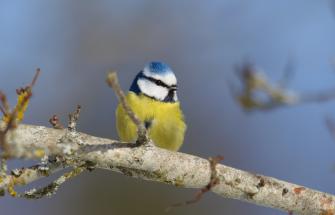
Beauty of bird song
Tune into the sounds of local birds and explore how nature communicates.
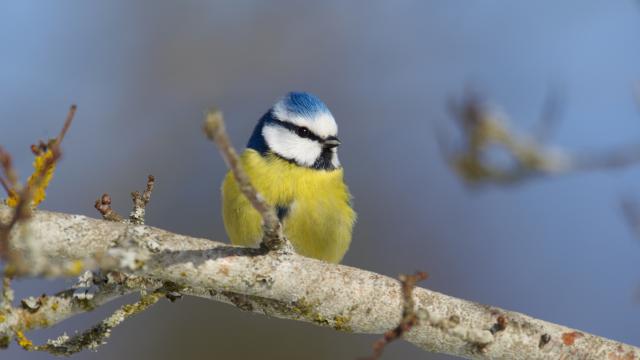
Great Tit
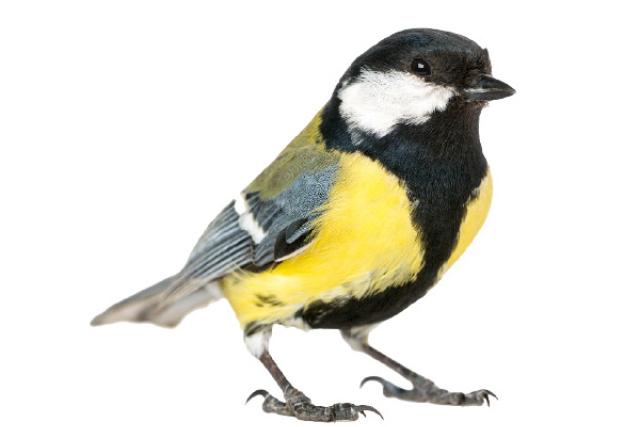
Great tit
Lots of people think great tits are singing ‘tea-cher, tea-cher’. What do you think?
Blackbird
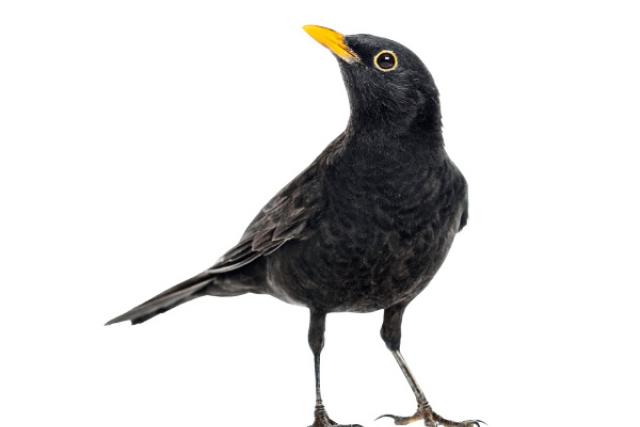
Blackbird
Blackbirds sing REALLY early and their song sounds a bit like they’re talking to themselves.
Robin
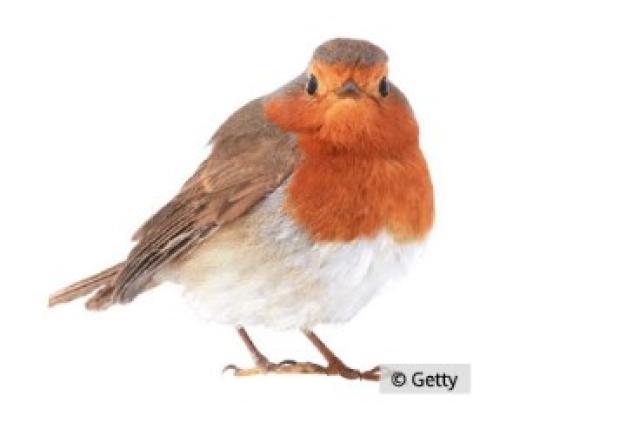
Robin
Robins like an early start, singing a song that sounds like ‘Cheerily, cheer-up’.
Live Action Dawn Chorus
Action Challenge
15+ minutes / Inside and Outside
Harness the power of music and sound for communication by replicating the sound of the dawn chorus.
Learning outcome: Pupils will work collaboratively to replicate the sounds of birds and team up to create a harmonious performance. They will use their voices, musical instruments and bodies to explore music and sounds, developing their non-verbal communication.
Instructions
- Listen to the bird song audio. You can find more here.
- To warm up, ask pupils to take turns ‘passing’ a simple birdsong rhythm around the class in a relay. One pupil claps or hums a short pattern (the 'call'), the next pupil copies it (the 'response'),and then passes it along.
- Next, play pupils the birdsong clips again. Each pupil should choose a specific bird call to focus on and recreate.
- Pupils can recreate their chosen bird call using their voices, simple instruments (e.g., shakers, tambourines) or body percussion (e.g., snapping, tapping).
- Now, ask pupils to add movements that reflect the behaviour of their chosen bird (e.g., fluttering like a small songbird, hopping like a robin).
- Encourage pupils to pay attention to how sounds can complement or contrast each other. Guide the class to layer their individual sounds and movements together harmoniously to perform a “living dawn chorus”.
Adaptations
- Provide props (scarfs for fluttering/small sticks for hopping) to add another layer of difficulty to the chorus and encourage greater hand-eye coordination and mobility.
- For older children, you could turn this into a science project – plotting which birds they hear each month and how it changes across the seasons.
Extensions
- Go into the playground and identify different bird calls – this can be repeated over a year to see how birds change throughout the seasons (teachers can use apps like BirdNET, eBird, or Merlin Bird ID to identify birds). Encourage parents to download the app and take part in these challenges at home.
- For a practical challenge, pupils can build a bird box and turn their learning into places for birds around the school or home.
Tweet Translators
Creative Challenge
15+ minutes / Inside and Outside
Listen to a range of different bird calls, identifying patterns in the sounds and imagining what they might be saying in a visual comic strip or storyboard.
Learning outcome: Pupils will explore how birds communicate by listening to different bird songs and creating stories to represent their meaning - blending literacy and storytelling skills with scientific knowledge.
HBN FAQ Slice
Instructions
- Ask pupils to imagine they are in a woodland or garden and listen closely to the recordings of bird songs above (or actual birdsong if outdoors), you can find more here. – focusing on the different sounds and patterns they can hear.
- Discuss what information birds might need to communicate, and what they think the different sounds might mean. You can prompt them with examples like “This is my tree!” (territory), “I found food!” (group communication) or “Danger!”.
- Ask pupils to select one bird sound, imagine what the bird might be saying based on the reasons discussed, and translate their ideas into a comic strip. You can use this useful comic strip template.
- They should design a character for their bird and use speech bubbles to show the bird's message, bringing the birdsong to life through visual storytelling.
Adaptations
- To make the activity easier, you can assign pupils a story to tell – for example, in their comic the bird is talking about finding and sharing food.
- To develop the challenge, encourage pupils to weave in onomatopoeic language and rhythmic patterns (e.g., tweet, rustle, chirp, whoosh) to capture the sounds of the forest and the specific bird call in their comic strips.
Extensions
- Your class can curate an exhibition of their comic strips, before inviting parents to attend a ‘gallery night’ to fundraise for WWF species conservation.
- You could task pupils with going outside with their parents and recording their favourite birdsong (perhaps on a parent’s phone). They can then create their own comic book strip or even a new piece of art at home and bring it into class.
Browse activities
-
Pillar: Caring
 © © David Lawson / WWF-UK
Earth Hour 2026
-
Pillar: Communicating
 © Shutterstock
Turtle tales from around the world
-
Pillar: Exploring
 © Shutterstock
Deep sea discoveries
-
Pillar: Caring
 © naturepl.com / Alex Mustard / WWF
Champions for the ocean
-
Pillar: Reflecting
 © Owen Davey
Curiosity beneath the waves
-
Pillar: Exploring
 © ShutterStock
Discover hidden wonders
-
Pillar: Reflecting
 © Joseph Gray / WWF-UK
Reflections in nature
-
Pillar: Caring
 © Global Warming Images / WWF
Nature through their eyes
-
Pillar: Communicating
 © Ola Jennersten / WWF-Sweden
Beauty of bird song
-
Pillar: Exploring
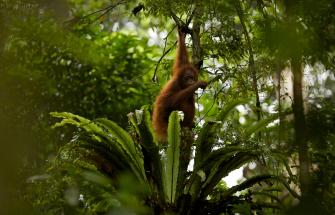 © naturepl.com / Tim Laman / WWF
Explore the forest of Borneo
-
Pillar: Reflecting
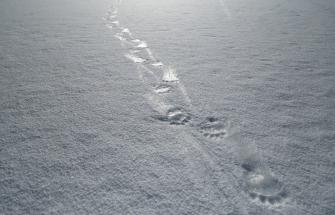 © WWF / Clive Tesar
Polar Perspectives
-
Pillar: Reflecting
 © Forestry England
Forest reflections with poetry
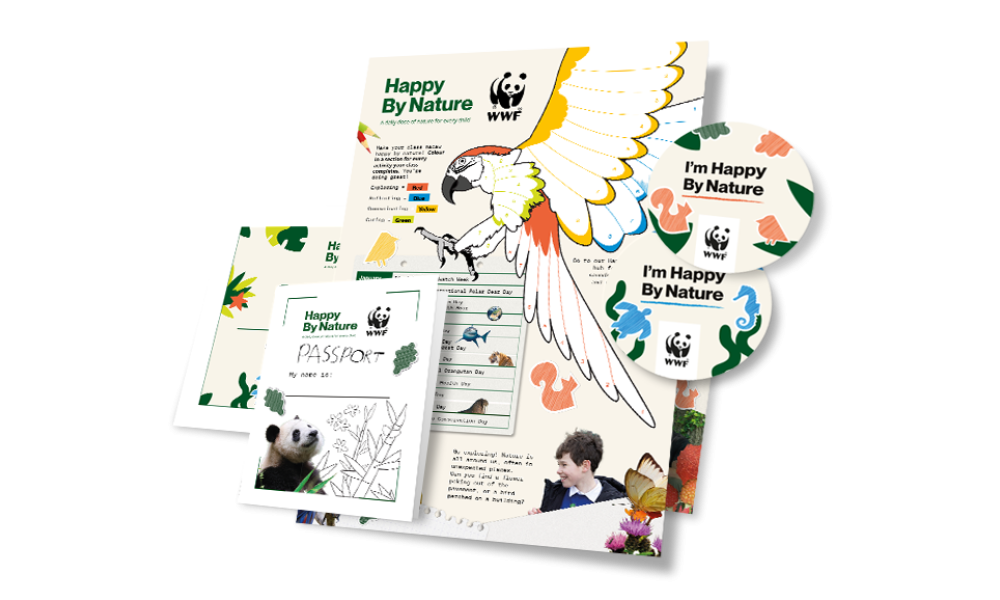
Get your FREE classroom pack
Get your FREE classroom pack
Bring nature into your classroom with a free pack of engaging primary resources to support learning and track progress. Includes a vibrant poster, pupil passports, stickers, and panda pawprint stamps.