
Pillar: Reflecting
Reflections in nature
Pause, listen and reflect on the everyday nature around you.

Asa Butterfield Clip: Call Of The Wild WWF Podcast
Asa Butterfield Clip COTW
Gratitude Tree
Action Challenge
25+ minutes / Inside and Outside
Creating a gratitude tree is a simple, impactful activity that helps pupils pause and reflect on the gifts of the natural world.
Learning outcome: Pupils will articulate and visually represent feelings of gratitude toward elements of nature which demonstrates an awareness of the positive impact of the natural world.
Instructions
- Introduce the concept of the gratitude tree: it helps us celebrate positive ways nature affects us.
- Start with a few minutes of quiet individual reflection on things in nature they are grateful for, before discussing. This works particularly well if you can get outside and into nature. Use prompts like ‘What is a sight, sound, or smell you love? What is one benefit nature provides? What’s your favourite memory in nature?’.
- Hand out the leaf templates and ask them to convey their gratitude with a brief note or picture – one leaf for each gratitude. Explain that a beautiful display covered in leaves will help them to reflect on how important nature is.
- Ask pupils to fix their leaf to the ‘trunk’ of your display tree in the school. Discuss how seeing the final tree makes them feel and if anything surprised them.
- Make sure to post your gratitude trees on social media tagging @WWF_UK and using #HappyByNature so we can see them!
Adaptations
- For pupils who are confident with their writing, increase the complexity of the ask – for example, by using metaphors instead to show gratitude e.g., the sun’s rays are the sun’s smile.
- Using pictures is a great way for pupils to take part if they are not yet as confident writing about their emotions.
Extensions
- Create a gratitude tree seasonally to see how the gratitude may change depending on the weather and seasons.
- Display the gratitude tree in a public space within the school so other pupils, teachers, staff and parents can see and add to it – or send leaves home and ask parents/carers to share their own gratitude for the tree
Paint What You Hear
Creative Challenge
10+ minutes / Inside
A reflective and thoughtful activity which guides pupils through the process of deep listening to nature and translating the emotions it generates into art.
Learning outcome: pupils will demonstrate a connection between auditory stimuli and emotional response by creating mindful, abstract art using shape, line and colour.
HBN FAQ Slice
Instructions
- Play the podcast clip provided. Prompt a discussion asking if sounds in nature make them feel different emotions – ask pupils to describe sounds that mean something to them.
- You can then either play the clip again or additional nature sounds (a forest or bubbling stream) to inspire pupils whilst they work. It’s even better if you can do this activity outside, in the playground or local green space.
- Ask them to create abstract, reflective art using colours, lines, and shapes to capture sounds they hear, and how they make them feel (‘their emotional response’). Calm sounds might inspire soft, cool strokes (blues, greens, curves) whilst lively sounds might be bright, sharp patterns (reds, yellows, zigzags).
- Congratulate pupils on their work. Ask them how they feel after the mindful drawing – are they more relaxed?
Adaptations
- To bring in language skills, after completing the abstract artwork, pupils could add a few descriptive words to their drawing to describe their feelings and emotions and bring to life the moods behind the artwork. You could also encourage them to use similar words to describe classmates’ artworks.
Extensions
- Repeat with contrasting sounds that might spark completely different emotions – for example, thunder or different species’ roars. This is a great way to help pupils reflect on what’s around them which you can use on school trips or other outdoor learning.
- Set up a gallery walk of completed artworks around the classroom or school. Could you invite parents and the local community in to see the works?
Browse activities
-
Pillar: Caring
 © © David Lawson / WWF-UK
Earth Hour 2026
-
Pillar: Communicating
 © Shutterstock
Turtle tales from around the world
-
Pillar: Exploring
 © Shutterstock
Deep sea discoveries
-
Pillar: Caring
 © naturepl.com / Alex Mustard / WWF
Champions for the ocean
-
Pillar: Reflecting
 © Owen Davey
Curiosity beneath the waves
-
Pillar: Exploring
 © ShutterStock
Discover hidden wonders
-
Pillar: Reflecting
 © Joseph Gray / WWF-UK
Reflections in nature
-
Pillar: Caring
 © Global Warming Images / WWF
Nature through their eyes
-
Pillar: Communicating
 © Ola Jennersten / WWF-Sweden
Beauty of bird song
-
Pillar: Exploring
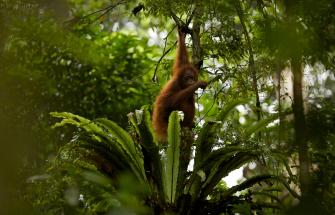 © naturepl.com / Tim Laman / WWF
Explore the forest of Borneo
-
Pillar: Reflecting
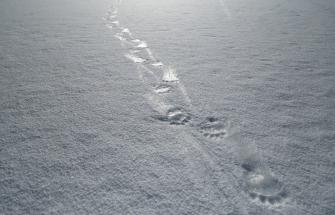 © WWF / Clive Tesar
Polar Perspectives
-
Pillar: Reflecting
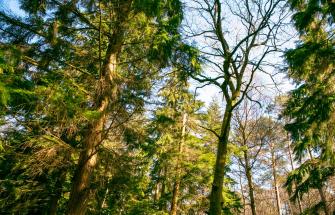 © Forestry England
Forest reflections with poetry
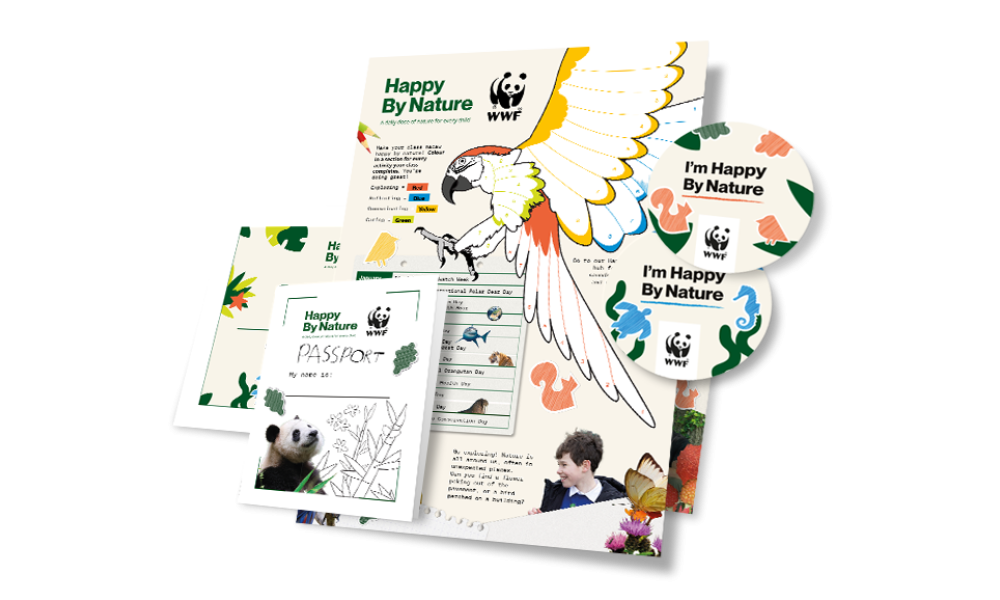
Get your FREE classroom pack
Get your FREE classroom pack
Bring nature into your classroom with a free pack of engaging primary resources to support learning and track progress. Includes a vibrant poster, pupil passports, stickers, and panda pawprint stamps.