
Pillar: Exploring
Deep sea discoveries
Dive into the deep ocean to explore it's strange and brilliant creatures.
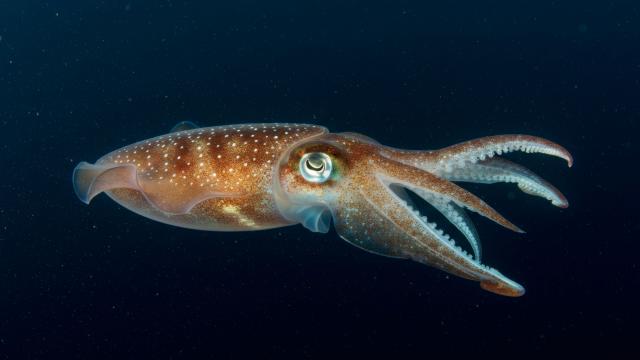
BBC’s Deadly 60: Humboldt Squid
Why We Explore
Action Challenge
10+ minutes / Inside
Discover how curiosity and courage can help us all protect our oceans: rethink what it means to be an explorer!
Learning outcome: Pupils will take a closer look at the career of explorers, helping them understand the value and impact exploring can have for individuals, for science, conservation, and our planet as a whole.
Instructions
- First watch the BBC Deadly 60 clip on Steve discovering a Humboldt Squid. A second clip on the Bobbit Worm is available here.
- Then read the inspiring quotes from deep-sea explorers.
- As a class, discuss what they think exploring means and who does it. Do they like to explore? What are the qualities of a good explorer? Explain that while for some people it’s a career, we can all be more curious and explore the nature that’s around us. Prompt the class to reflect on why it is important for nature and what discoveries teach us.
- Organise pupils into groups to create a Diamond 9 ranking of reasons for exploration. Challenge them to reflect individually on which reasons speak the most to them.
- Finish by brainstorming other ways their strengths and curiosity could help protect the ocean – and how we can all be nature explorers (answers might include learning more about different creatures, volunteering, recycling, raising awareness of human impacts).
Adaptations
- Use visual prompts or printed stories as aids for younger pupils.
- To make the activity easier, you could replace the Diamond 9 with a facilitated discussion as a class, and have simple ‘hands up’ votes – for if they enjoy exploring, how they might do so, or what other careers would they be interested in finding out more about.
Extensions
- As a class, craft an Oceans Pledge that harnesses all their ideas and questions into something everyone can get behind – and which they can all sign up too. They could even take it home and ask families to sign it too.
- You could take part in a research challenge to dive deeper into different marine conservation careers or ask them to role-play as different careers. They can take this research home and let their parents/carers/siblings know what they’ve found out.
Deep Sea Designers
Creative Challenge
15+ minutes / Inside
Dive beneath the surface to explore the extraordinary creatures thriving in the deep and dream up undiscovered creatures of their own.
Learning outcome: Pupils will combine scientific thinking and problem-solving with imagination, to unravel the mysteries of how deep-sea creatures survive at great depths and then use their knowledge and creativity to dream up an undiscovered creature of their own.
HBN FAQ Slice
Instructions
- First watch the BBC Deadly 60 clip on Steve discovering a Humboldt Squid. A second clip on the Bobbit Worm is available here.
- Ask pupils what they saw that was strange or surprising and why they think the creatures have these features. While they might seem like something from a story, their unusual adaptations are actually a form of problem-solving – they help them survive at great depths.
- Inspired by this, tell pupils they will be thinking creatively to draw their own, imaged, undiscovered species – and their imagination is the limit. Give them a Creature Features Worksheet.
- Prompt pupils to think about the challenges their creature might face (e.g., the cold, darkness) and how adaptations (e.g., glowing in the dark, strange shapes, or transparency) might help it survive.
- When they have mapped out their creature, reflect on their ideas – encourage them to share their drawings with the class and discuss similarities or other possible solutions.
Adaptations
- For those who need some more scaffolding, you can provide a menu of suggested features for their creatures that pupils can pick and mix from to give more structure. You could even allocate a ‘cost’ to different adaptations and give them a ‘budget’ to spend to create their own creature.
Extensions
- Individually or in teams, ask pupils to write a creative piece imagining their creature’s life – bringing science and imagination together – and what would happen if their different creatures met. How would they interact? Where would they fit in the ecosystem? Would they need to adapt more?
- If you have time, pupils can create 3D models based on the drawings of their imagined species using clay or recycled materials. This can also increase the difficulty, if your class wants more challenge than a drawing.
Watch more Deadly 60
Watch more wildlife action with Steve Backshall in the latest series of Deadly 60 available on BBC iPlayer.
Browse activities
-
Pillar: Caring
 © © David Lawson / WWF-UK
Earth Hour 2026
-
Pillar: Communicating
 © Shutterstock
Turtle tales from around the world
-
Pillar: Exploring
 © Shutterstock
Deep sea discoveries
-
Pillar: Caring
 © naturepl.com / Alex Mustard / WWF
Champions for the ocean
-
Pillar: Reflecting
 © Owen Davey
Curiosity beneath the waves
-
Pillar: Exploring
 © ShutterStock
Discover hidden wonders
-
Pillar: Reflecting
 © Joseph Gray / WWF-UK
Reflections in nature
-
Pillar: Caring
 © Global Warming Images / WWF
Nature through their eyes
-
Pillar: Communicating
 © Ola Jennersten / WWF-Sweden
Beauty of bird song
-
Pillar: Exploring
 © naturepl.com / Tim Laman / WWF
Explore the forest of Borneo
-
Pillar: Reflecting
 © WWF / Clive Tesar
Polar Perspectives
-
Pillar: Reflecting
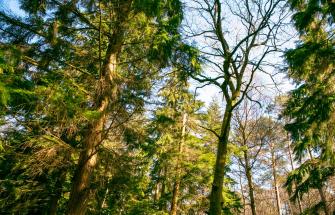 © Forestry England
Forest reflections with poetry
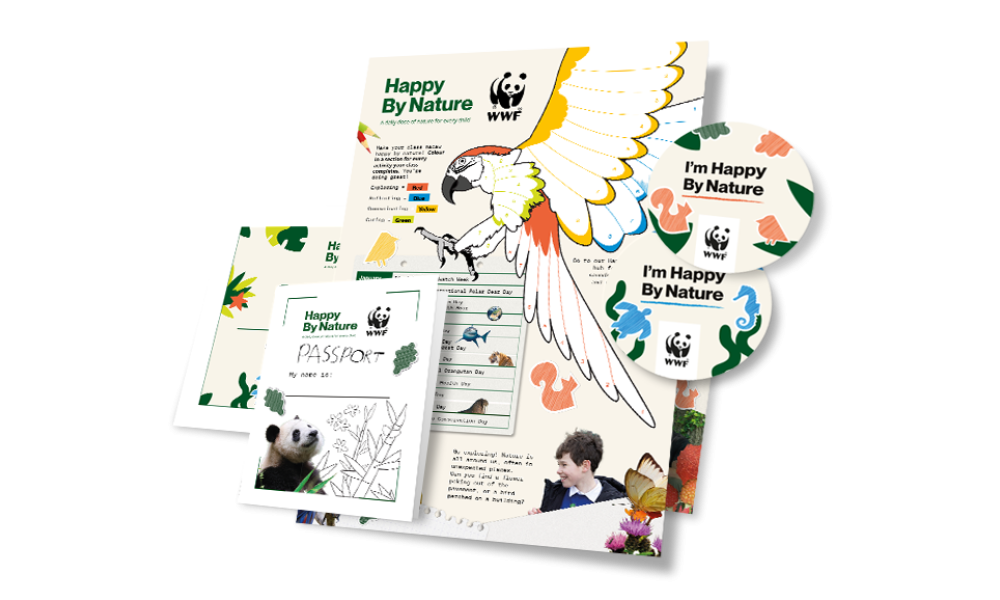
Get your FREE classroom pack
Get your FREE classroom pack
Bring nature into your classroom with a free pack of engaging primary resources to support learning and track progress. Includes a vibrant poster, pupil passports, stickers, and panda pawprint stamps.