
Pillar: Caring
Nature through their eyes
Step into the lives of UK wildlife.
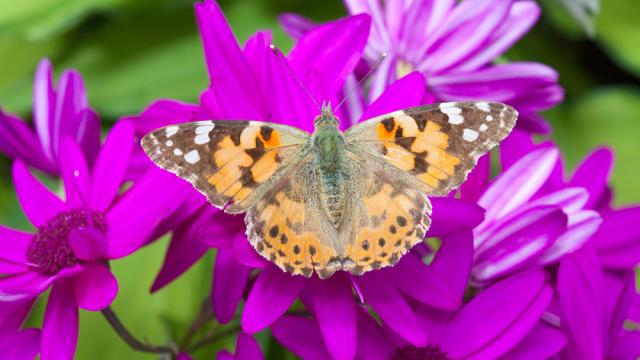
Wildlife Rescue Mission
Action Challenge
25+ minutes / Inside
Pupils become cheerleaders for their favourite species, creating a story for a news programme.
Learning outcome: pupils will research a chosen species and propose tangible actions for its environmental protection, using their oracy and communication skills to share these ideas effectively and persuasively.
Instructions
- Discuss what every species and habitat needs to survive. Tell pupils they will be becoming the ultimate support team for an endangered UK species – perhaps a red squirrel, hedgehog, or Scottish wildcat?
- In small groups of 3-4 ask them to pick a species and research what support it needs from people.
- Next, discuss the techniques news broadcasts use – perhaps after showing a BBC Newsround or Sky FYI clip.
- Ask the groups to rehearse a ‘broadcast’ presentation about what they have learned. It must include:
- A catchy headline (“Breaking news: Puffins return to the cliffs!”).
- A brief interview (with a scientist, or even the ‘species’).
- A clear explanation of the survival actions they are urging people to take.
- Ask each class to present their broadcasts to the class. Pupils watching can be engaged through active feedback – our Kind Critic cards can provide a structure.
Adaptations
- To make the activity more relevant, is there a local/regional issue that all teams can focus on? You can also reduce difficulty by prompting them with different actions that we can take to protect habitats (like walking rather than driving, reducing litter, or planting trees) and ask them to rank the importance for their chosen species.
- Those who are more confident could record their presentation outside, ‘on location’ using a camera or tablet.
Extensions
- We recommend linking this challenge to other outdoor activities (like carrying this out before school trips) and finding opportunities to take real action outdoors.
- Encourage pupils to put their conservation plan into action – for example, to create habitats at school or plant wildflowers. Ask them how they could adapt their plans to be implemented at school or home – for example, making a passage between gardens for hedgehogs, or mowing grass less often.
- Learn more about UK species visiting our Go Wild pages and explore our UK Map.
A Season in the Wild
Creative Challenge
15+ minutes / Inside
Create a postcard with a heartfelt message home from the perspective of one of the UK’s indigenous species.
Learning outcome: Pupils will develop empathy and environmental awareness by exploring an animal’s perspective and identifying ways to support its natural habitat.
HBN FAQ Slice
Instructions
- Introduce the activity by explaining that empathy is like a superpower – it lets us step into someone else’s shoes and understand their world. Challenge pupils to use that superpower by ‘becoming’ one species from the film, like an oak tree or a bee, and imagining the world from their perspective.
- Hand out the postcard templates (or postcard sized paper or card). Ask pupils to draw their chosen species’ natural environment on the front. Tell them to focus on what they might see, hear, or smell.
- On the back, ask them to write a heartfelt ‘message home’ from the species’ point of view, explaining to a human reader how they can help protect them.
- If they need help, use prompts like ‘What is around them? What do they need to survive? What are the risks? What could humans do to help?’
Adaptations
- To make the activity easier, pupils can just complete the front of the postcard, focusing on storytelling through imagery, or share their ideas verbally (if they are not as confident writing). You can also provide more scaffolding by picking a species as a class and discussing ideas for what postcards might include.
- To increase the difficulty, you can deepen the learning and task pupils with researching their chosen species (using IT and research skills) to find out more about the threats they face.
Extensions
- You can ask pupils to write a letter responding to each other’s postcards as a human recipient – explaining how they can change behaviours to help the species in danger and what they can do to raise awareness of the dangers posed to the species.
- To raise awareness of their chosen species and message, pupils could be tasked with sending their postcards to family members, teachers (using schools address), friends, or local groups, or sell copies of postcards to raise money for WWF.
Browse activities
-
Pillar: Caring
 © © David Lawson / WWF-UK
Earth Hour 2026
-
Pillar: Communicating
 © Shutterstock
Turtle tales from around the world
-
Pillar: Exploring
 © Shutterstock
Deep sea discoveries
-
Pillar: Caring
 © naturepl.com / Alex Mustard / WWF
Champions for the ocean
-
Pillar: Reflecting
 © Owen Davey
Curiosity beneath the waves
-
Pillar: Exploring
 © ShutterStock
Discover hidden wonders
-
Pillar: Reflecting
 © Joseph Gray / WWF-UK
Reflections in nature
-
Pillar: Caring
 © Global Warming Images / WWF
Nature through their eyes
-
Pillar: Communicating
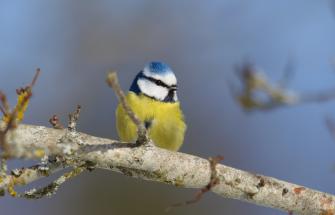 © Ola Jennersten / WWF-Sweden
Beauty of bird song
-
Pillar: Exploring
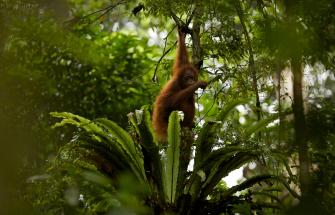 © naturepl.com / Tim Laman / WWF
Explore the forest of Borneo
-
Pillar: Reflecting
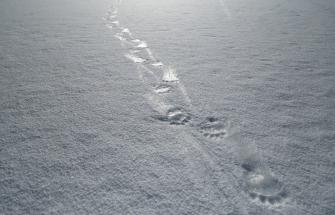 © WWF / Clive Tesar
Polar Perspectives
-
Pillar: Reflecting
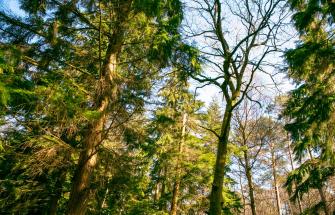 © Forestry England
Forest reflections with poetry
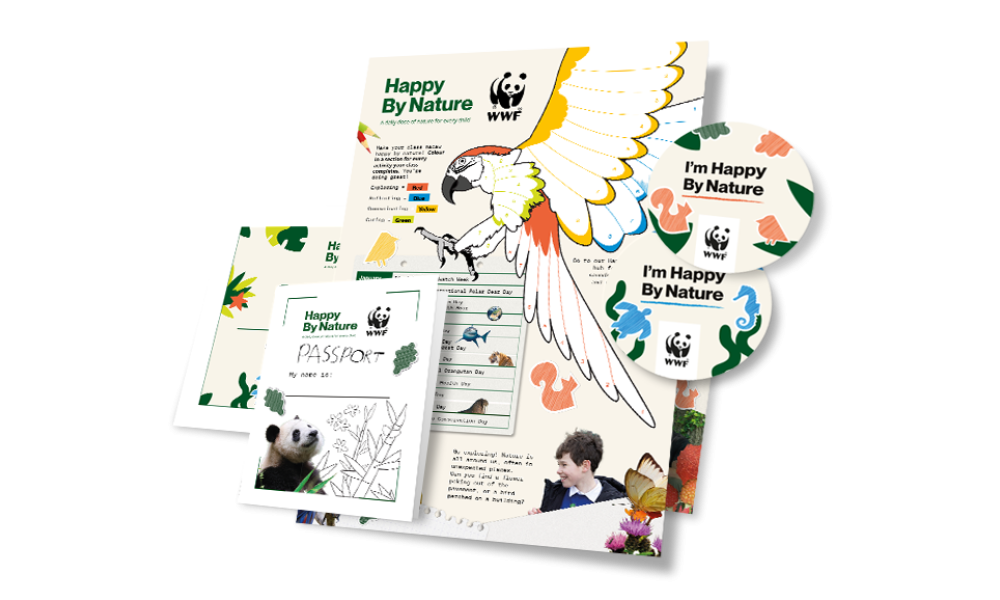
Get your FREE classroom pack
Get your FREE classroom pack
Bring nature into your classroom with a free pack of engaging primary resources to support learning and track progress. Includes a vibrant poster, pupil passports, stickers, and panda pawprint stamps.