
Pillar: Exploring
Discover hidden wonders
Look closer at the natural world and uncover its hidden beauty,
Nature Detectives
Action Challenge
20+ minutes / Inside and Outside
Become a true nature explorer and uncover the hidden beauty of local nature.
Learning outcome: Pupils to use focused observation skills (scientific) and descriptive language (artistic) to explore, select, and present a natural object, highlighting its textures, patterns, and intrinsic beauty.
Instructions
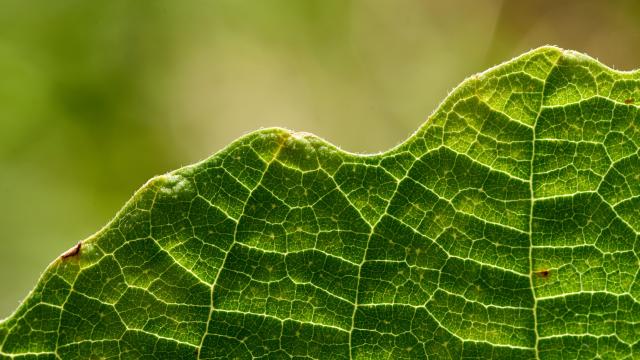
- Pupils are now explorers! Inspired by the stimulus photos their mission is to find the hidden beauty in nature – either outdoors or in a collection of objects you provide. You can make this as contained or wide-ranging as needed to fit your context.
- Take pupils out to explore nature locally (e.g., playground, street trees, park, or collected materials if indoors) and examine items around them closely (but be careful about touching!).
- Ask pupils to choose their favourite natural object and prompt them to reflect on: ‘The texture and patterns they see. Where they think this object came from. What drew them to this object?’
- Depending on your setting, pupils can either bring the items to the class or become photographers to capture the details on camera.
- Back in the classroom, encourage them to present their object and observations to the class.
Adaptations
- Instead of presenting their observations, pupils can compare and discuss textures and materials with other pupils in pairs or small groups.
- Strengthen the scientific observation skills by continuing to research what they discovered or even identify and classify their item.
Extensions
- Pupils can create art inspired by their object or use it as a tool for prints or patterns. They can use chalk or pencils to transfer the texture to paper, then have other pupils guess where it came from.
- Make the activity a game – for example, challenging pupils with prompts like ‘Who can find the brightest natural object?’ or ‘What is the funniest shaped object you discovered?”
From Another World
Creative Challenge
10+ minutes / Inside
Explore the hidden wonders of the natural world with this simple observational activity.
Learning outcome: Pupils will use observational skills and curiosity to interpret the hidden beauty and forms of natural objects and express their creative interpretations through drawing or writing.
HBN FAQ Slice
Instructions
- Show pupils the zoomed-in photos, one natural flora/fauna at a time. Begin with the most zoomed-in image.
- Invite imaginative guesses about what the object could be: A giant’s skin? A feather from a mythical creature? A landscape on a distant planet? Encourage them to make reference to the features and form of the items to shape their guesses.
- Then, ask pupils to unleash their creativity by writing a short story or a couple of paragraphs, about an imagined world, based off the zoomed-in photo. Encourage them to think about the scale, texture and story of their imagined item (Does the 'giant’s skin' feel rough or smooth? What planet is this creature found?)
- After they have finished their short stories, invite guesses about what each of the photos is really of, one-by-one, before revealing the real identity of the object. Repeat this for all the images.
- Prompt additional scientific discussion here: ‘Why does it look like that? What features does it have? What might that tell us about it?’
Adaptations
- To make the activity simpler, you can reduce the number of images or ask pupils to draw their imaginative guesses instead of writing – but still thinking about texture and scale.
- To strengthen scientific discussion, pupils could individually create a two-column table – one column with the real object and the other for what they thought it was. They can use this to compare properties of real and imagined objects – how close were they?
Extensions
- This is a great way to get outside - encourage pupils to observe objects in their garden or local areas (supervised) and take zoomed in pictures of nature to share with the class.
- Hide real examples of the objects in a feely bag – are pupils brave enough to feel what the object is without seeing it?
Browse activities
-
Pillar: Caring
 © © David Lawson / WWF-UK
Earth Hour 2026
-
Pillar: Communicating
 © Shutterstock
Turtle tales from around the world
-
Pillar: Exploring
 © Shutterstock
Deep sea discoveries
-
Pillar: Caring
 © naturepl.com / Alex Mustard / WWF
Champions for the ocean
-
Pillar: Reflecting
 © Owen Davey
Curiosity beneath the waves
-
Pillar: Exploring
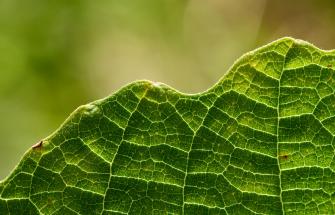 © ShutterStock
Discover hidden wonders
-
Pillar: Reflecting
 © Joseph Gray / WWF-UK
Reflections in nature
-
Pillar: Caring
 © Global Warming Images / WWF
Nature through their eyes
-
Pillar: Communicating
 © Ola Jennersten / WWF-Sweden
Beauty of bird song
-
Pillar: Exploring
 © naturepl.com / Tim Laman / WWF
Explore the forest of Borneo
-
Pillar: Reflecting
 © WWF / Clive Tesar
Polar Perspectives
-
Pillar: Reflecting
 © Forestry England
Forest reflections with poetry
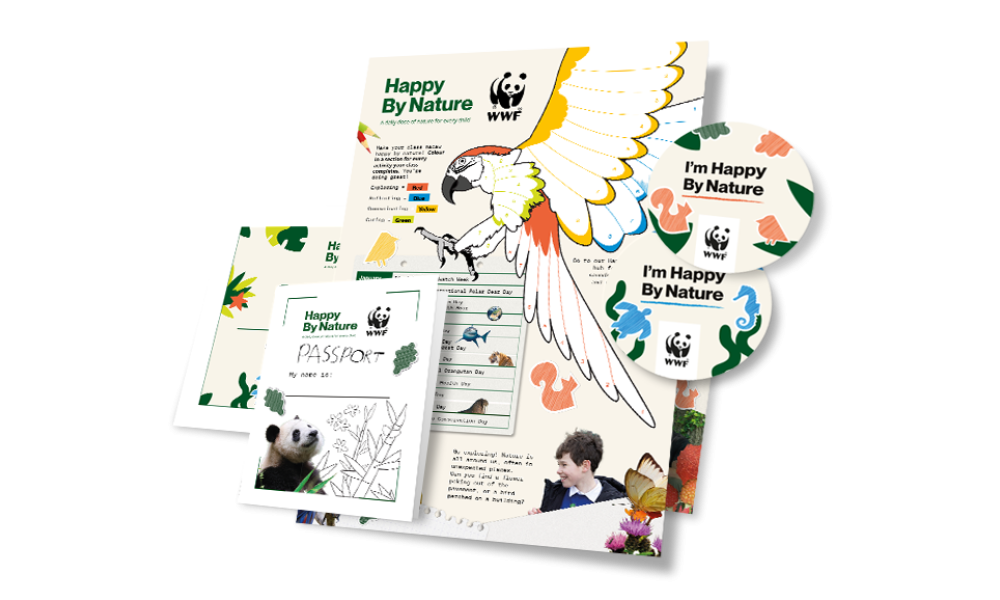
Get your FREE classroom pack
Get your FREE classroom pack
Bring nature into your classroom with a free pack of engaging primary resources to support learning and track progress. Includes a vibrant poster, pupil passports, stickers, and panda pawprint stamps.